DroneShield Named Category 2 Provider on Australia's C-sUAS Defence Panel
DroneShield was named a Category 2 provider on Australia's C-sUAS Defence panel, streamlining its ability to offer DroneSentry and related systems to Defence sites. This matters to drone racing because it accelerates security technology transfer and could reshape event operations and industry opportunities.
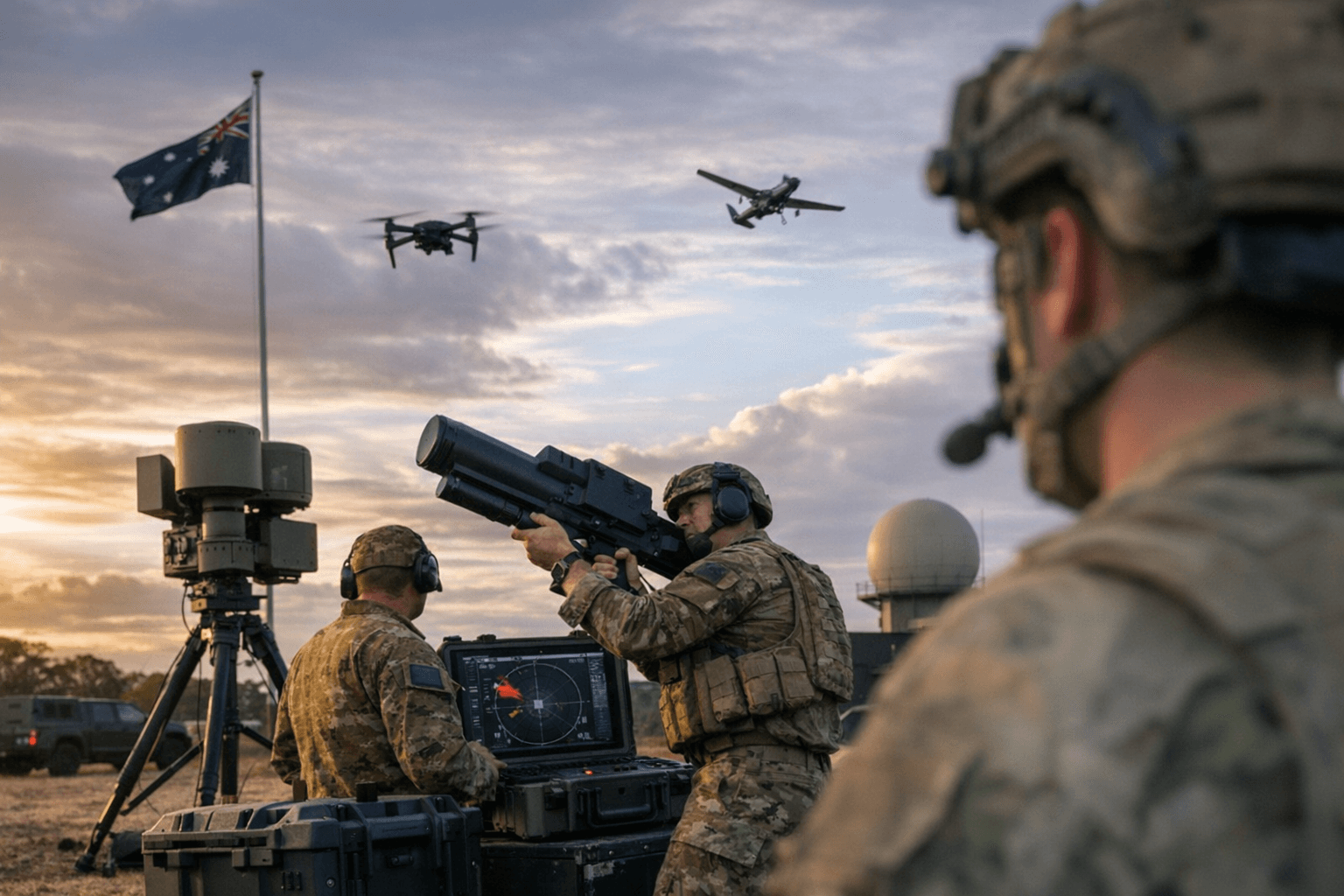
DroneShield announced on January 15, 2026 that it had been selected as a Category 2 provider on the Australian Department of Defence’s Project LAND 156 Line of Effort 3 Counter-small Unmanned Aerial Systems services standing offer panel. The selection allows Defence to procure counter-drone hardware, software, command-and-control systems and associated services under a Capability-as-a-Service model for bases and other government sites. While placement on the panel does not guarantee contracts, it streamlines limited tenders and positions DroneShield to offer its DroneSentry and complementary solutions across Defence locations.
At the top of the story is capability and access. The panel mechanism is designed to fast-track procurement of C-sUAS components and integrated C2 systems, making it easier for Defence to select from prequalified providers. Australia has earmarked significant funding for C-sUAS acquisition over the next decade, giving vendors a clearer runway for product deployment and scale. DroneShield framed the opportunity as readiness to deliver “battle-proven, software-defined C-sUAS solutions.”
For the drone racing community this development has immediate and downstream implications. In the near term, enhanced counter-drone capability promises safer event airspace by reducing the risk of rogue UAV intrusions that can cancel heats or endanger pilots and spectators. Race organizers and venue operators may adopt detection and mitigation tools similar to those used on Defence sites, shifting logistics, insurance and operational playbooks. Pilots and teams should expect tighter coordination with venue security and possibly new procedures for pre-flight identification and geofencing compliance.
Beyond event safety, the announcement accelerates technology cross-pollination between defense and sport. Sensor suites, low-latency command-and-control links, and software-defined detection algorithms developed for C-sUAS could be repurposed for timing systems, live tracking telemetry, and anti-interference measures in high-stakes FPV racing. The business implications are significant: manufacturers, race promoters and even pro teams can explore new revenue through services, consulting, and products adapted from defence-grade platforms.
Culturally, the selection underscores the dual-use identity of drones. As public and governmental attention focuses on countermeasures, the hobbyist and competitive communities face a balancing act between embracing professional-grade safety and resisting overregulation that could constrain grassroots events. Socially, expanded C-sUAS spending may create jobs and investment but also raises questions about surveillance, privacy and the militarization of technologies that began as open DIY culture.
What comes next for readers is practical: expect more dialogue between race organizers, venues and technology providers about approved detection and mitigation solutions. Teams and manufacturers that can translate defence-capable hardware into sport-appropriate, cost-effective systems will gain advantage. The panel selection is not an endpoint but a catalyst - it signals a maturing drone ecosystem where safety, performance and commercial strategy increasingly intersect.
This article was produced by Prism’s automated news system from verified source data, official records, and press releases, then run through automated quality and moderation checks before publishing. The system is built and supervised by the people who set the standards it runs under. Read our full AI policy.
Did this article answer your question?