DroneShield Partners With Robin Radar Systems to Expand Counter-Drone Capabilities
DroneShield added Robin Radar's IRIS 3D radar family to its sensor marketplace on March 18, giving operators 360° wide-area detection inside a single AI-fused platform.
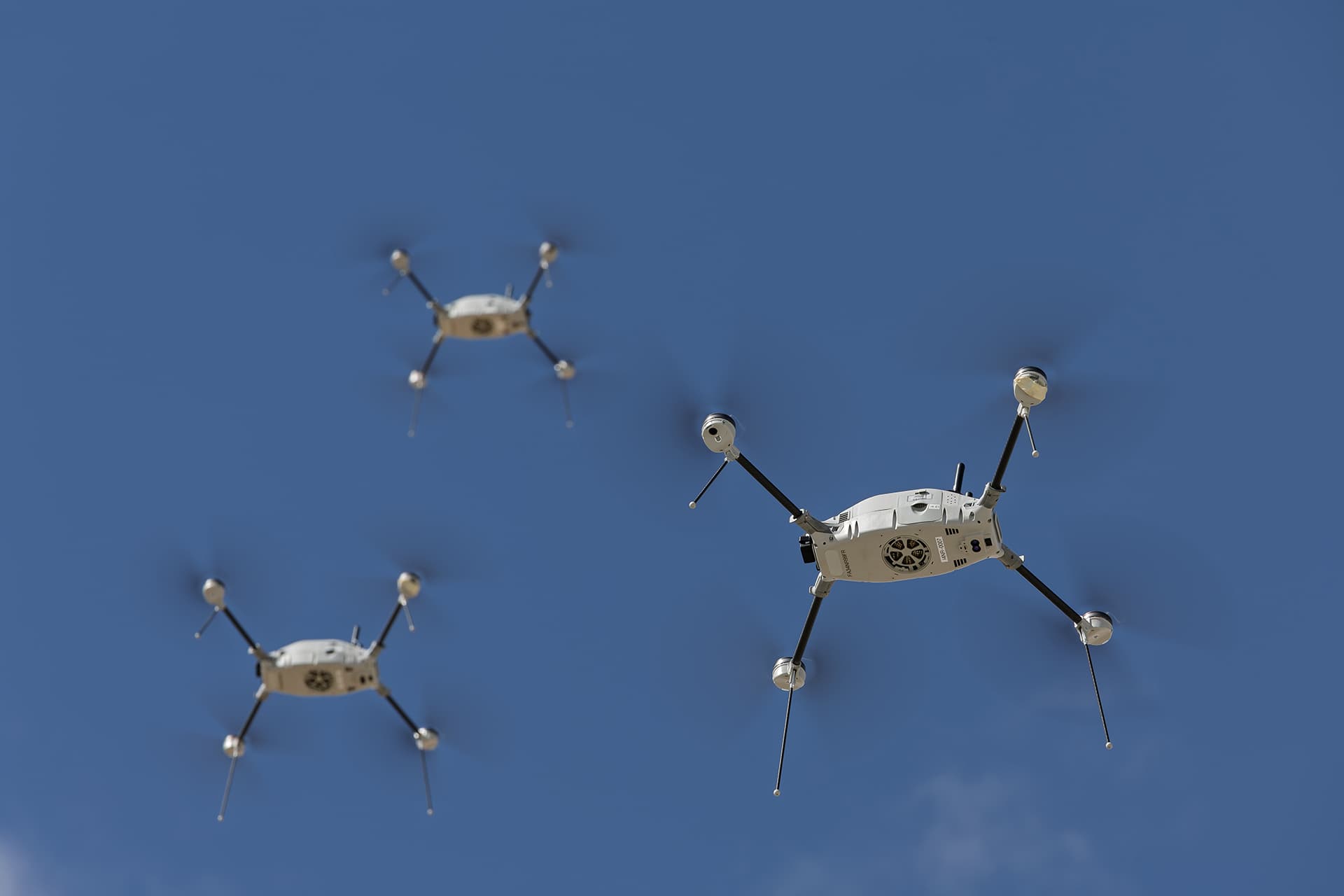
Counter-drone architecture just got a wider set of eyes. DroneShield formally added Robin Radar Systems' IRIS 3D radar family to its sensor marketplace on March 18, 2026, a move designed to give defence, critical infrastructure, and public safety operators a more flexible toolkit when constructing layered counter-UAS deployments.
The partnership centers on interoperability: Robin Radar's 360°, 3D IRIS radars, built to detect and track small airborne objects including drones across complex environments and in low-visibility conditions, will now feed into DroneShield's DroneSentry-C2 command-and-control platform. DroneSentry-C2 combines inputs from multiple sensor types into a consolidated operational picture, and DroneShield's SensorFusionAI processes those inputs into what the company describes as actionable insights for operators in the field.
Chief Product Officer Angus Bean framed the announcement in terms of operator autonomy rather than hardware specs. "Operators need systems that adapt to their mission, not the other way around," Bean said. "By partnering with Robin Radar Systems and expanding our sensor marketplace, we give customers more freedom to design their airspace security architecture, while SensorFusionAI ensures that all sensor inputs are fused into insights that support decisive action."
Robin Radar Chief Commercial Officer Marcel Verdonk said the IRIS 3D radar was designed from the outset for integration into broader security architectures, and that the partnership is intended to support layered airspace protection across those same sectors.
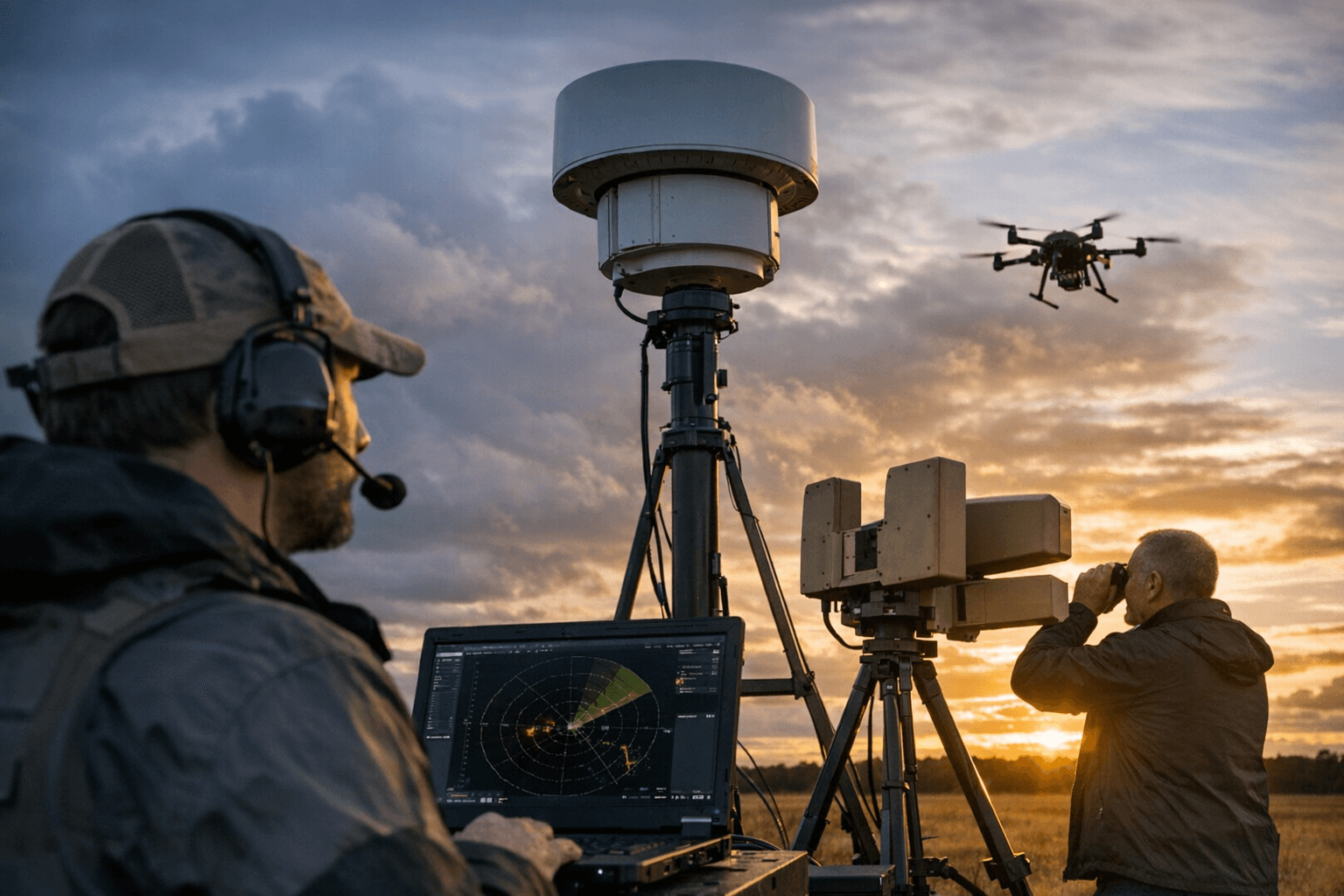
The strategic logic behind the deal reflects a deliberate posture DroneShield (ASX:DRO) has been building toward: an open, scalable marketplace of interoperable third-party sensors rather than a closed, single-vendor stack. Radar fills a specific gap in that architecture. Where cameras and RF sensors can be limited by terrain or atmospheric conditions, radar provides persistent wide-area detection, making it particularly useful for tracking small, fast-moving objects across extended perimeters or in environments where other modalities degrade.
DroneShield described Robin Radar Systems' technology as "engineered to deliver reliable detection and classification performance across complex environments," and noted that adding the IRIS family expands options for customers specifically seeking radar-based detection within layered C-UAS systems. The result, according to the company, is broader coverage and sharper situational awareness without adding system complexity for the operators running it.
Know something we missed? Have a correction or additional information?
Submit a Tip