Expanded UMEX SimTEX Sees 34% Growth, Spotlights Autonomous Drone Racing
ADNEC expanded UMEX and SimTEX by about 34%, spotlighting autonomous drone racing and competition formats that connect research teams with elite FPV pilots.

ADNEC’s expanded UMEX and SimTEX staged a show of force for autonomous drone racing and simulation, using a roughly 34% larger exhibition footprint to turn the Abu Dhabi venue into a testbed for sports-grade autonomy. Running Jan. 20–22, 2026, the twin events hosted hundreds of exhibitors from robotics, autonomy and simulation sectors and emphasized live demonstrations and competitive formats that brought researchers, developers and FPV talent into the same airspace.
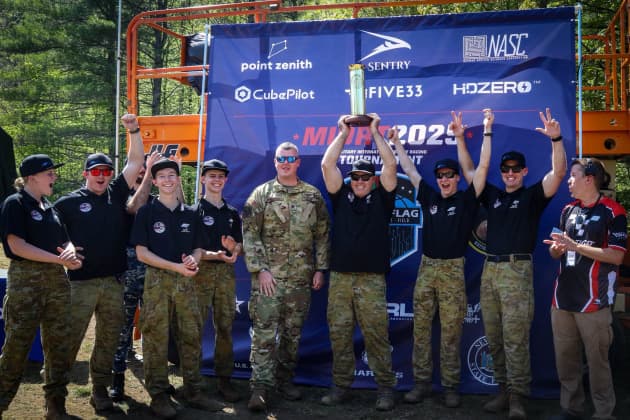
The headline was the blending of competition and applied autonomy. Organizers programmed autonomous-racing demos and exhibition matches pairing research teams with elite FPV pilots, alongside autonomous drone challenges and A2RL-related showcases. Rather than delivering a traditional winner-and-loser sports narrative, the exhibitions focused on measurable system performance - latency in control loops, reliability of autonomy stacks in gate-dense courses, and sim-to-real fidelity from simulation platforms. The release did not publish race results or lap times for the exhibition matches, but the demonstrations made clear how autonomy can slot into lap-centric formats and change how races are run and judged.
From a performance perspective, companies and labs used the venue to prove interoperability and robustness. Simulation vendors showed training pipelines that shorten the sim-to-real gap, sensor and perception outfits demonstrated vision and lidar fusion under race conditions, and autonomy teams showcased policy handoffs that let pilots intervene when needed. These technical milestones point to a near-term shift in drone racing where hybrid formats - human pilots with autonomy-augmented assist modes - become common. For FPV pilots, that means new rulebooks around assisted runs, sensor compliance and standardized timing systems that can accurately capture human-plus-AI performances.
Industry trends were on full display. The growth in exhibition space and increased international participation highlights investor and OEM interest in commoditizing autonomy for sports and operational uses. Simulation and training companies are carving out business models around league-ready platforms, while hardware vendors angle for sponsorship deals that tie sensor suites to professional teams and events. ADNEC’s positioning of UMEX and SimTEX as a bridge between research and operational use creates an ecosystem where prototype tech meets broadcast-ready competition formats - a critical step for commercialization and media packaging.
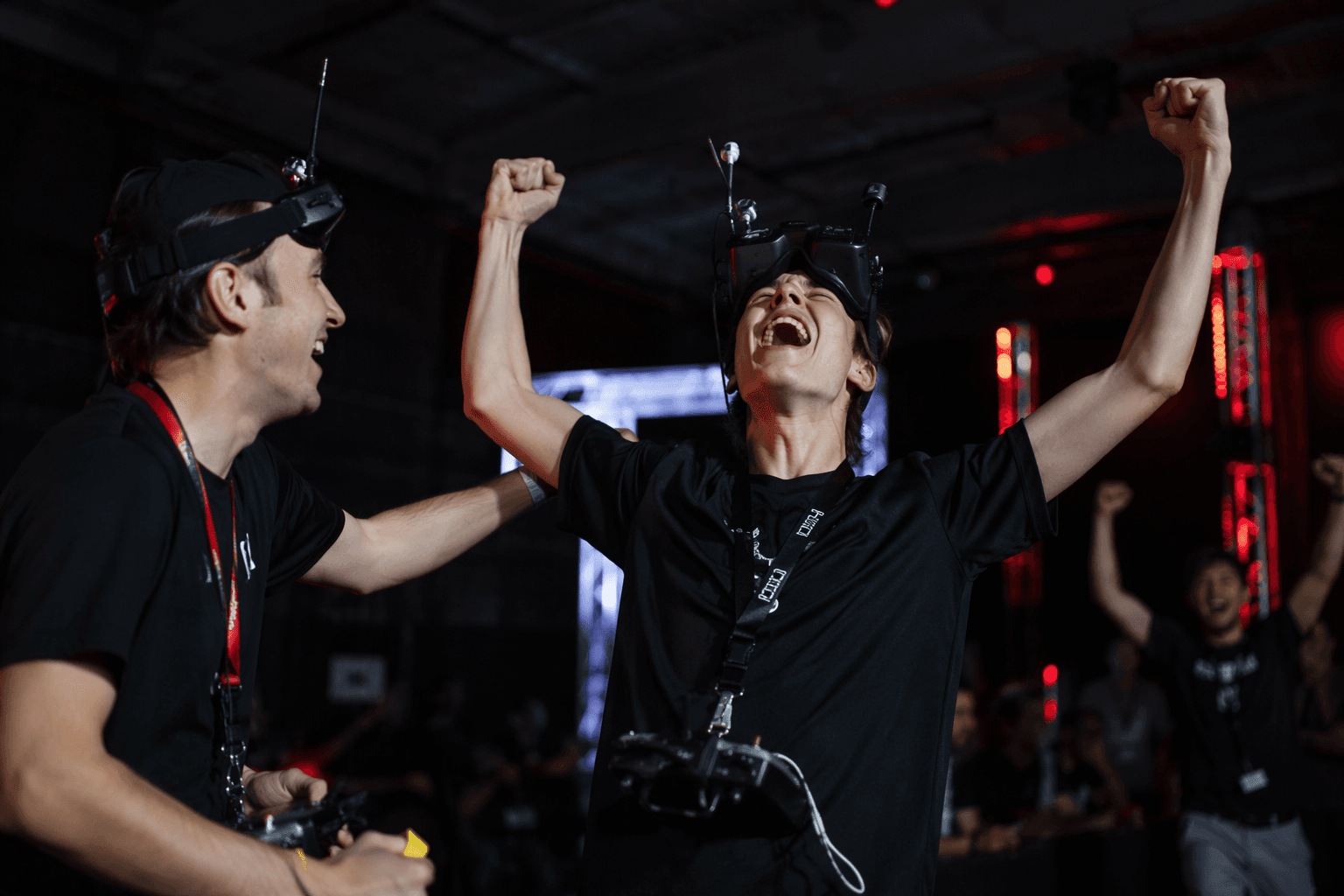
Culturally, the event reinforced the legitimacy of drone racing as both a spectator sport and an R&D proving ground. FPV pilots trading goggles for code in exhibition pairings symbolized a community willing to adapt competitive instincts to technical collaboration. Socially, the emphasis on public demonstrations opens pathways for workforce development and STEM outreach, though it also raises questions about safety standards, regulatory alignment, and dual-use oversight as autonomy matures.
For fans and stakeholders, the takeaway is immediate: expect more hybrid race formats, tighter links between simulation and live events, and faster commercialization cycles as leagues and manufacturers adapt. UMEX and SimTEX showed that drone racing is moving beyond pure piloting spectacle into a platform for applied autonomy - the next season will likely test how that transition plays out on the leaderboard and in the marketplace.
This article was produced by Prism’s automated news system from verified source data, official records, and press releases, then run through automated quality and moderation checks before publishing. The system is built and supervised by the people who set the standards it runs under. Read our full AI policy.
Did this article answer your question?