FAA declares World Cup stadiums no drone zones, penalties soar
The FAA has put World Cup stadiums under hard airspace control, with 3-mile no-drone rings, 3,000-foot limits and fines that can reach $100,000.

The World Cup’s stadium perimeter has become a hard line for drone pilots. The FAA says all FIFA World Cup 2026 stadiums and surrounding event spaces are strict no-drone zones, and unauthorized flights in the restricted areas can bring civil penalties up to $75,000 per violation, criminal fines up to $100,000, confiscation, federal criminal charges and even interception by law enforcement.
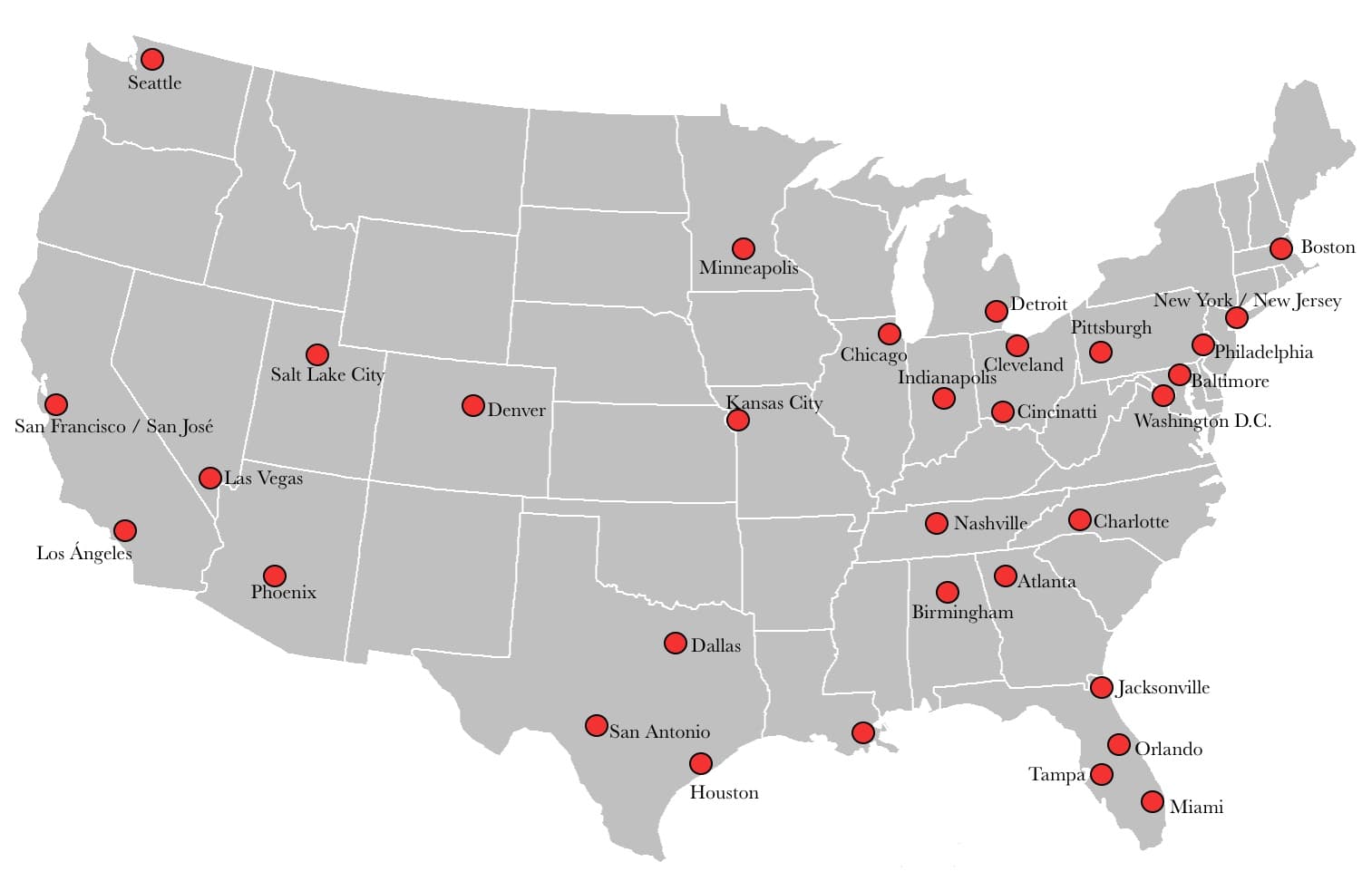
For FPV racers and event organizers, the practical boundary is clear: around listed venues, the restrictions extend within a 3-nautical-mile radius and up to 3,000 feet above ground level. The FAA’s May 13 advisory says the Temporary Flight Restrictions will apply to certain matches and related fan events, and the agency says pilots should check B4UFLY and official NOTAMs before flying near host cities. The U.S. tournament slate will run from June 11 through July 19, 2026, across 11 host cities and 104 matches in American stadiums, including the final at MetLife Stadium in East Rutherford, New Jersey.
The security challenge is bigger than one event. White House task force officials have compared the operation to protecting “78 Super Bowls,” and the administration has planned a $500 million counter-drone effort to support state and local governments. That money is meant to help cities build anti-drone strategies, but it comes with a hard legal limit: only federal agencies can currently intercept or disable drones in U.S. airspace. The administration has considered temporary authorization for state and local officials if Congress does not expand that authority.
DHS has also opened grants for state, local, tribal and territorial governments and expects to obligate $250 million in fiscal 2026 for counter-drone capabilities. Even there, the rules matter for legitimate operators, because the grant notice bars local recipients from buying “enhanced” detection, tracking and identification systems that capture, intercept, demodulate, decrypt or decode signals between drones and ground controllers. That means some of the most advanced venue-defense gear remains out of reach for local buyers, even as stadium security teams try to harden their airspace.
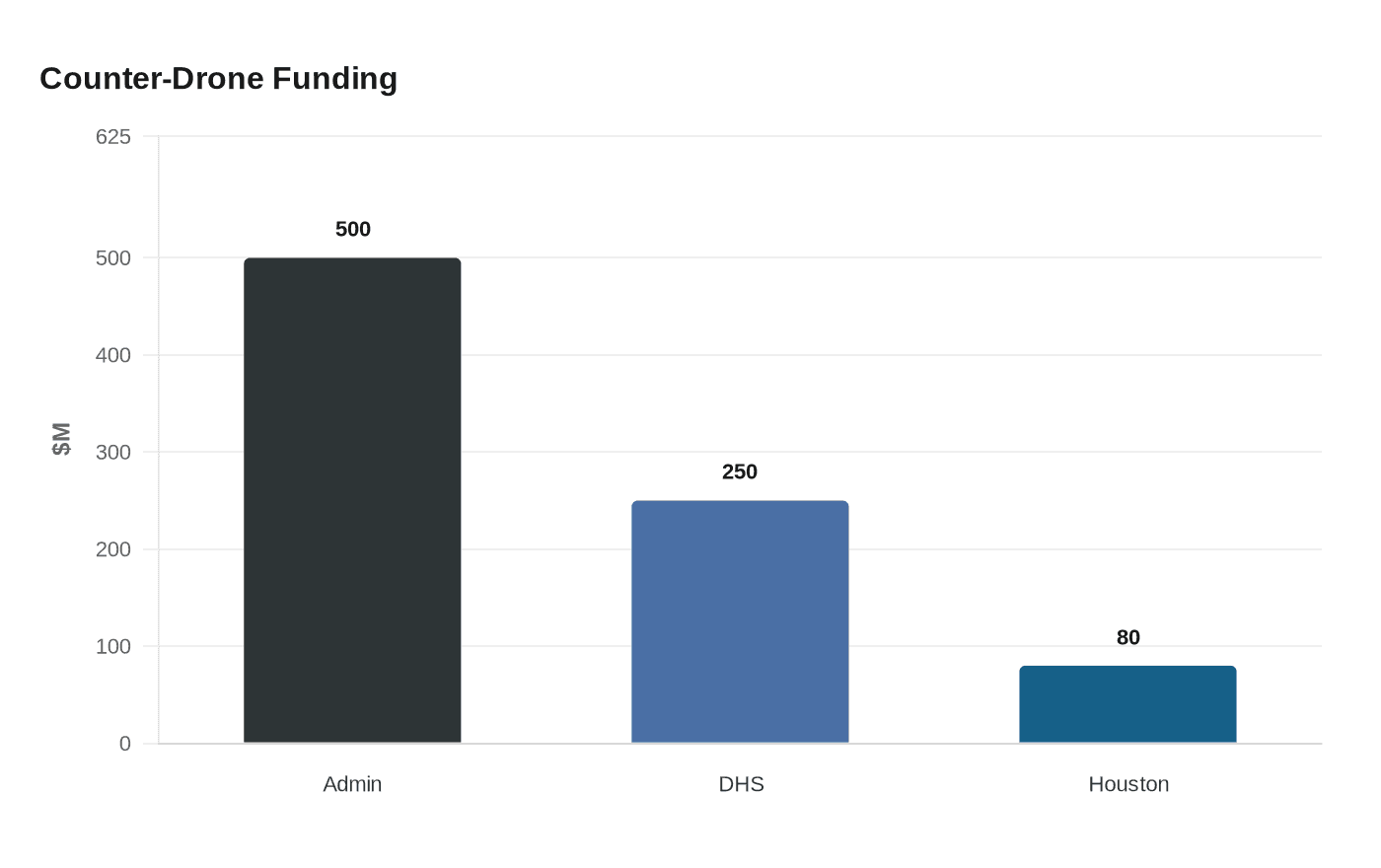
Houston shows how aggressively cities are reacting. Officials there have set up a dedicated World Cup security hub and put the local security budget near $80 million, a sign that drones, cyber threats and crowd control are now being planned together. With funding delays slowing broader preparations in some cities, the message to FPV pilots is unmistakable: major sports venues are no longer open airspace, and the new playbook is built around detection, denial and rapid enforcement.
Know something we missed? Have a correction or additional information?
Submit a Tip