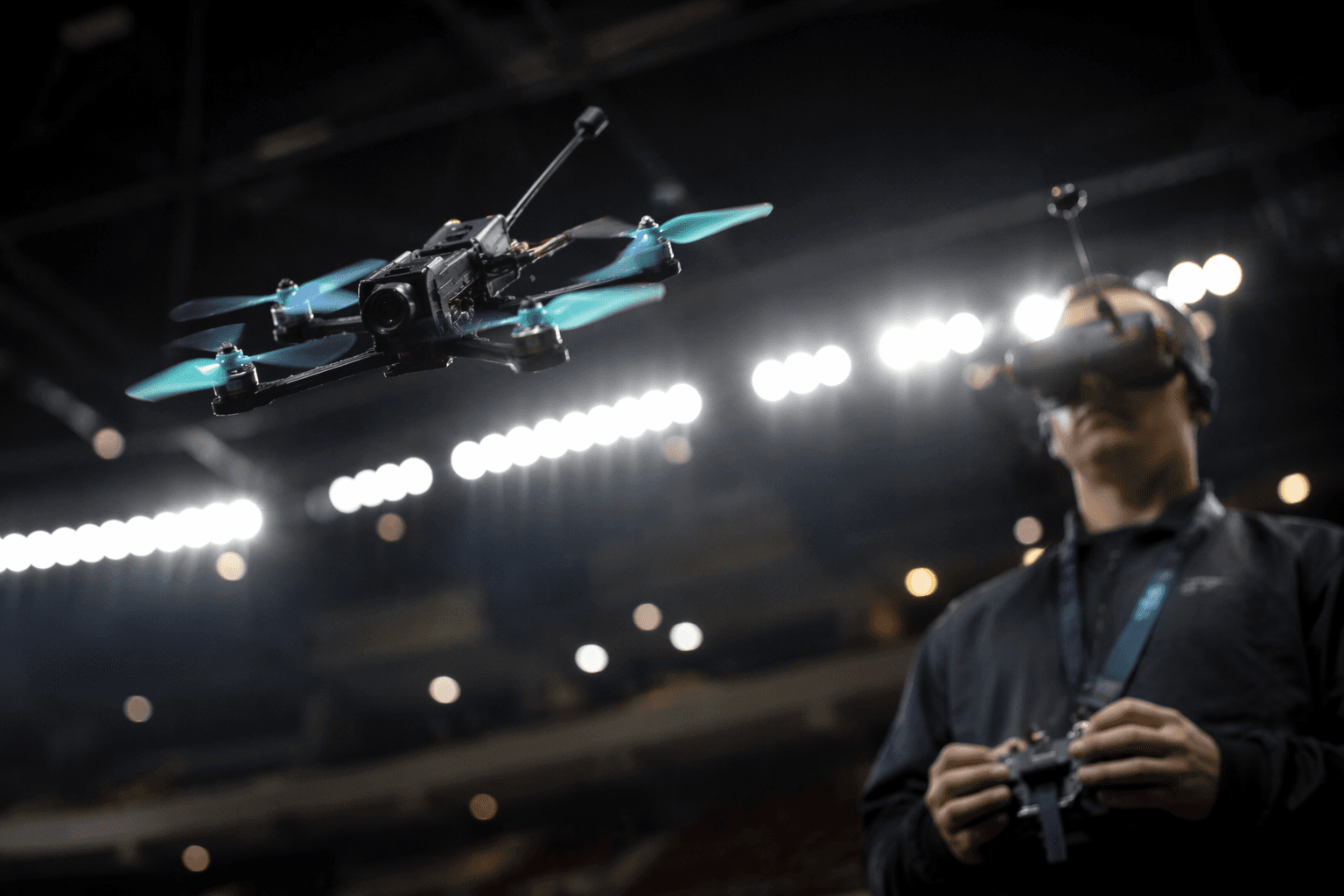
Fort Benning drone race tests tactical FPV skills in urban terrain
24 Soldiers raced FPV drones through room-clearing and strike scenarios at Fort Benning, turning a speed contest into a battlefield stress test.
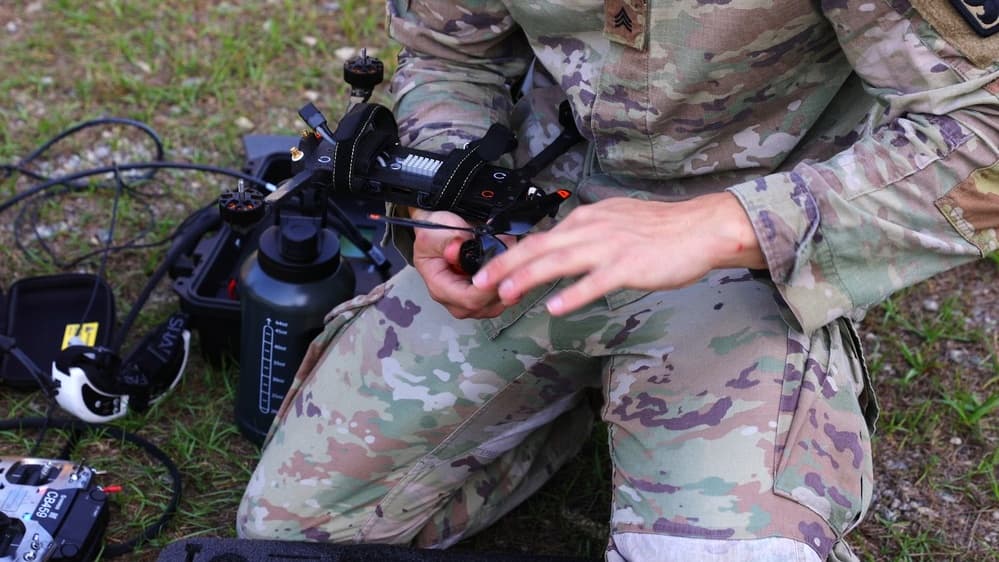
The Maneuver Battle Lab turned drone racing into a tactical exam at Fort Benning, pushing 24 Soldiers through a course at the McKenna Military Operations in Urban Terrain Facility that moved well beyond pure speed. Over four days, from April 14-17, the quarterly competition evolved from virtual evaluations into real-world room-clearing and strike missions in a simulated urban environment.
That shift matters because it changes what wins. In conventional FPV racing, pilots are judged by lap time, clean lines and how well they thread a course at full throttle. At Fort Benning, the same reflexes still mattered, but they were folded into a military problem set: reading terrain, managing a small unmanned aircraft system under pressure and executing tactical tasks in tight spaces built to mimic urban combat. The competition was designed to measure the integration and proficiency of sUAS in conditions that demanded more than quick thumbs.

The Maneuver Battle Lab’s broader mission helps explain why the event looked more like a field problem than a hobby race. The lab conducts combined-arms, cross-domain maneuver experiments in live, virtual, constructive and gaming environments, using live prototyping, force-on-force experiments and modeling and simulation to support Soldier and small-unit modernization. In that frame, the drone race was not a sideshow. It was a test of whether fast, small FPV platforms can be woven into maneuver training at the point where reconnaissance, strike and urban movement collide.
The April competition also fit into a wider Fort Benning push in 2026 to make drones and robotics part of routine Soldier development. In February, the installation began a 10-hour small-UAS familiarization course for One-Station Unit Training trainees, and it launched the Robotic Autonomous Systems Leader Tactics course for more senior leaders the same month. William Benz was among the 12 students in that first leader course, a sign that Fort Benning is building a pipeline from early exposure to higher-level tactical use.
That pipeline gives the Army a potential edge, but it could also shape drone racing beyond the post. If tactical courses like the one at Fort Benning keep expanding, military-backed layouts may influence future venue design, training standards and even how new pilots enter the sport. The same pressure that makes a room-clearing lane harder for a Soldier could make the next generation of FPV racers sharper, faster and more versatile.
This article was produced by Prism’s automated news system from verified source data, official records, and press releases, then run through automated quality and moderation checks before publishing. The system is built and supervised by the people who set the standards it runs under. Read our full AI policy.
Did this article answer your question?