FBI Outlines Legal Counter-Drone Pathways for State and Local Agencies
FBI's Mike Torphy told Williamsburg conference that local agencies still can't deploy counter-drone tech until federal rulemaking under the Safer Skies Act is complete.
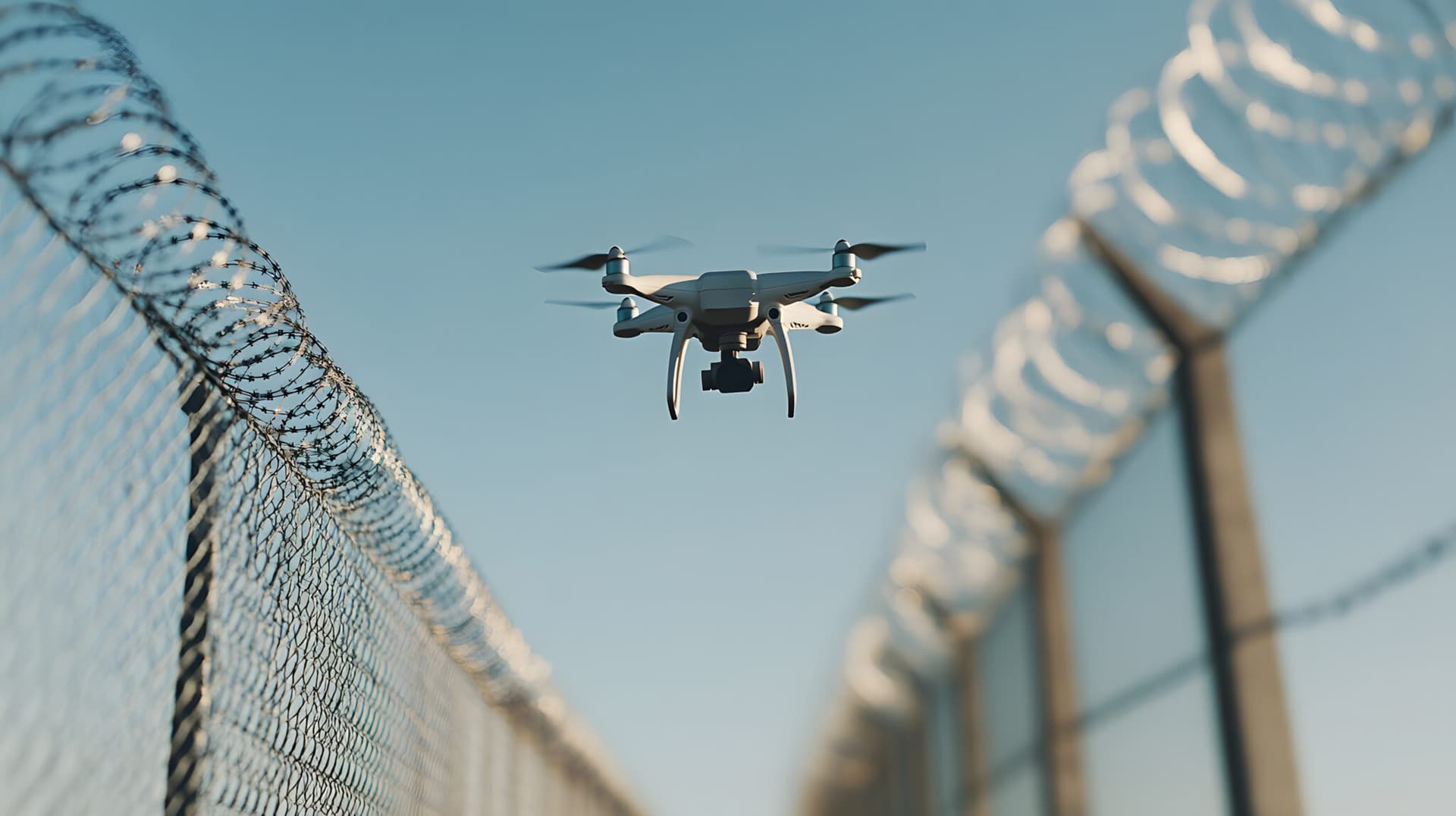
The legal machinery for arming local police and fire agencies against rogue drones exists on paper. Getting it operational is another matter entirely.
That was the central tension in Mike Torphy's presentation at the DRONERESPONDERS National Public Safety UAS Conference in Williamsburg, Virginia on March 10. The FBI representative laid out how the Safer Skies Act and a set of new federal training pathways could eventually expand counter-drone authority to state, local, tribal, and territorial agencies, while making clear that the clock on actual deployment authority hasn't started yet.
The Safer Skies Act establishes a legal pathway for expanded counter-UAS authority, but full implementation requires additional federal rulemaking. Until those rules are finalized, SLTT agencies, the shorthand covering state, local, tribal, and territorial jurisdictions, cannot independently deploy mitigation technologies. That restriction stands regardless of how the legislation is framed or how ready individual agencies believe they are.
The presentation landed on the second day of the conference, which DRONERESPONDERS programmed with a heavy counter-UAS focus. The emphasis reflected an operational reality that public safety agencies across the country are already navigating: drones keep turning up near critical events and infrastructure, and the legal tools to respond remain incomplete.
DRONERESPONDERS, a global non-profit advancing public safety UAS, counter-UAS, and Advanced Air Mobility programs, has positioned its annual conference as the primary gathering point for this exact conversation. The gap between legislative intent and operational authority is precisely the kind of problem its membership deals with in the field.
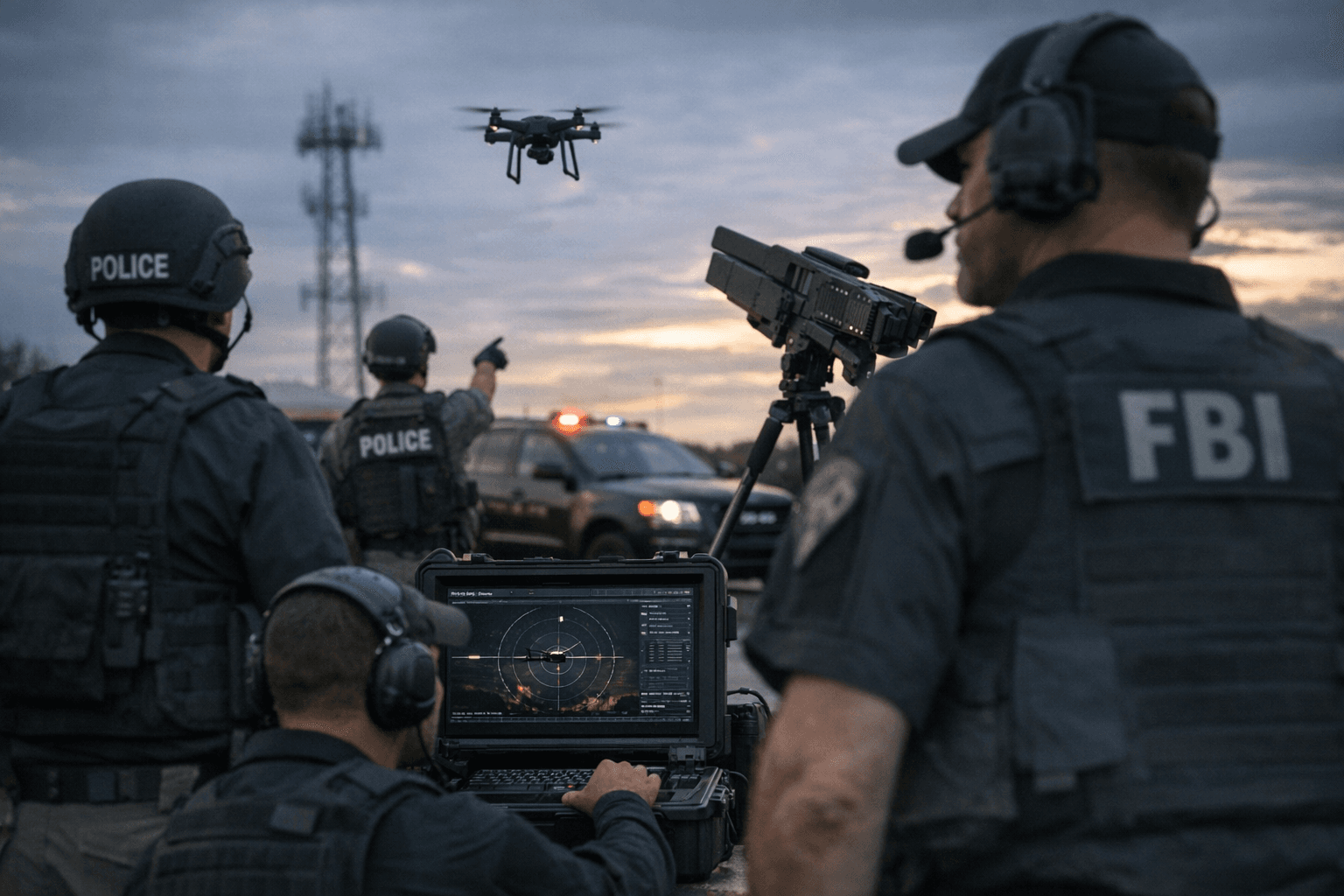
For agencies waiting on workable guidance, the Safer Skies Act represents an important step toward clearer authority, but Torphy's framing made clear it is not a self-executing statute. The emerging structure, once federal rulemaking catches up, points toward a future where trained local agencies can play a more direct role in detecting and responding to drone threats. The word "trained" is doing significant work in that sentence: the legislation and the new federal training pathways are designed to function together, not independently.
What those training programs specifically require, which federal agency is driving the rulemaking, and how long the implementation timeline runs are all questions the conference session left open. No timeline for completing the necessary rules was offered, and no specific mitigation technologies were named as currently restricted.
What Williamsburg made clear is that federal-local cooperation isn't optional in this framework. As the counter-UAS ecosystem develops, the agencies that build relationships with federal partners now will be better positioned when rulemaking eventually closes the gap between the authority the Safer Skies Act describes and the authority agencies can actually use.
Know something we missed? Have a correction or additional information?
Submit a Tip