FCC Removes Four Drone Systems From Covered List After Pentagon Security Review
The FCC cleared four drone systems from its banned products list on March 18 — the first removals since December 2025's sweeping foreign UAS crackdown.
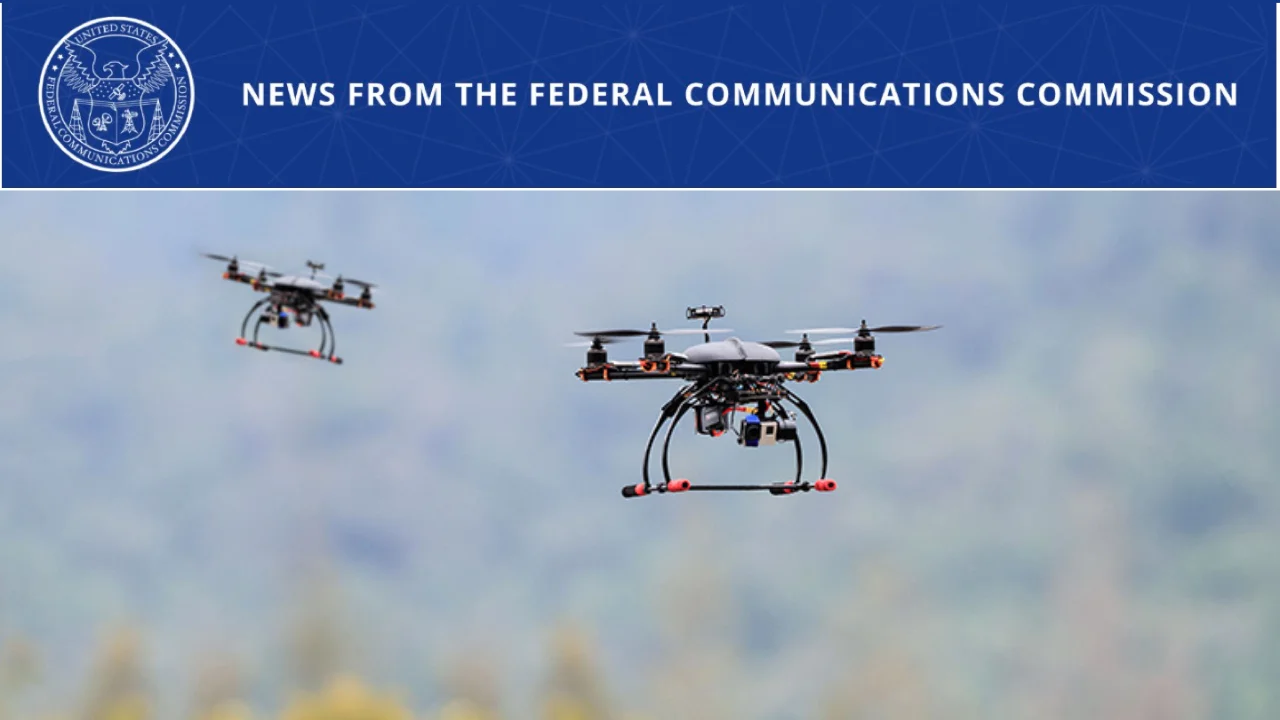
For the first time since the FCC placed every foreign-made drone on its national security blacklist in December 2025, the agency has removed systems from that list. The Federal Communications Commission updated its Covered List on March 18, 2026, exempting four uncrewed aircraft systems after the Department of War determined they pose no unacceptable risks to the United States.
The four conditionally approved systems come from SiFly Aviation, Mobilicom, Scoutdi, and Verge. SiFly Aviation's Q12 Uncrewed Aircraft System is the most specifically identified of the group. The approvals represent what regulators and industry observers are calling the first functional proof that the exemption process built into the foreign drone ban actually works.
The road to this point began December 22, 2025, when the FCC swept every UAS and UAS critical component produced in a foreign country onto its Covered List following a White House-convened interagency security review. That action was unprecedented in scope. DJI, Autel, and dozens of other manufacturers lost the ability to bring new products to the U.S. market overnight. The national security agencies behind the determination cited concerns including attacks and disruptions, unauthorized surveillance, sensitive data exfiltration, and what they characterized as unacceptable damage to the U.S. drone industrial base.
An FCC fact sheet dated January 7, 2026, announced that the agency had updated the Covered List to remove certain UAS that the Department of War determined did not pose national security risks, and released a set of FAQs alongside it. The March 18 action formalized the first batch of Conditional Approvals under that framework.
Three pathways exist for a drone or component to earn exemption from the Covered List: inclusion on the Department of War's Blue UAS Cleared List, qualification as a domestic end product under the Buy American Standard as defined at FAR 25.101, or receipt of a Conditional Approval through a direct application process. Companies seeking that third route must submit documentation to the FCC, which forwards applications to the Department of War and the Department of Homeland Security for review. According to a Mayer Brown legal analysis, the Public Safety and Homeland Security Bureau updated the Covered List to exempt recommended UAS and critical components through January 1, 2027, suggesting the current exemptions carry a time-limited window that procurement planners should account for.
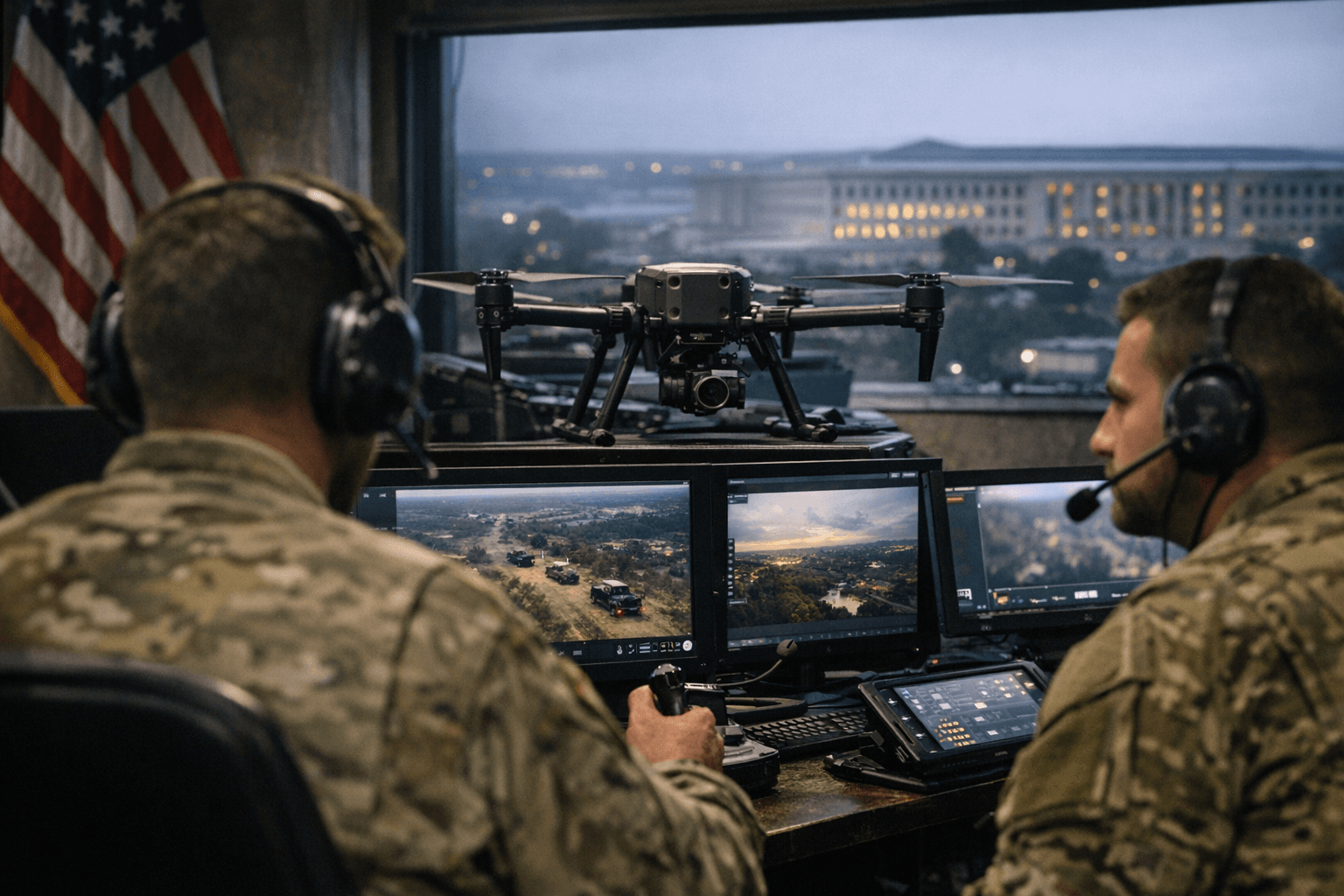
The definition of "UAS critical components" is broad enough to matter directly to performance-oriented operators. Mayer Brown's analysis lists data transmission devices, communications systems, flight controllers, ground control stations, navigation systems, sensors and cameras, batteries and battery management systems, and motors as components that fall under the Covered List's scope. Foreign-sourced versions of any of those parts are subject to the same authorization restrictions as complete aircraft, unless separately exempted.
One protection is unambiguous regardless of where a system stands on the Covered List. The FCC has stated explicitly: "This update to the Covered List does not prohibit the import, sale, or use of any existing device models the FCC previously authorized. This action does not affect any previously-purchased drone." Operators flying equipment bought before the December 22, 2025, action face no legal disruption to continued use.
Four exemptions in a market upended by a blanket ban on foreign hardware is a narrow opening. But as observers noted when the March 18 notice dropped, it is the first real confirmation that the removal process functions at all.
Know something we missed? Have a correction or additional information?
Submit a Tip