FCC Seeks Public Input to Boost American Drone Technology Dominance
The FCC's new public notice, tied to Trump's "American drone dominance" push, could reshape the frequencies, power limits, and import rules that govern every race-day video link you fly.

The question every pilot should be asking right now isn't about gate speeds or prop wash: it's whether the 5.8 GHz band you raced on last weekend will carry the same rules, the same legal power ceiling, and the same imported hardware in 2027. The FCC's Wireless Telecommunications Bureau and Office of Engineering and Technology just made that question urgent.
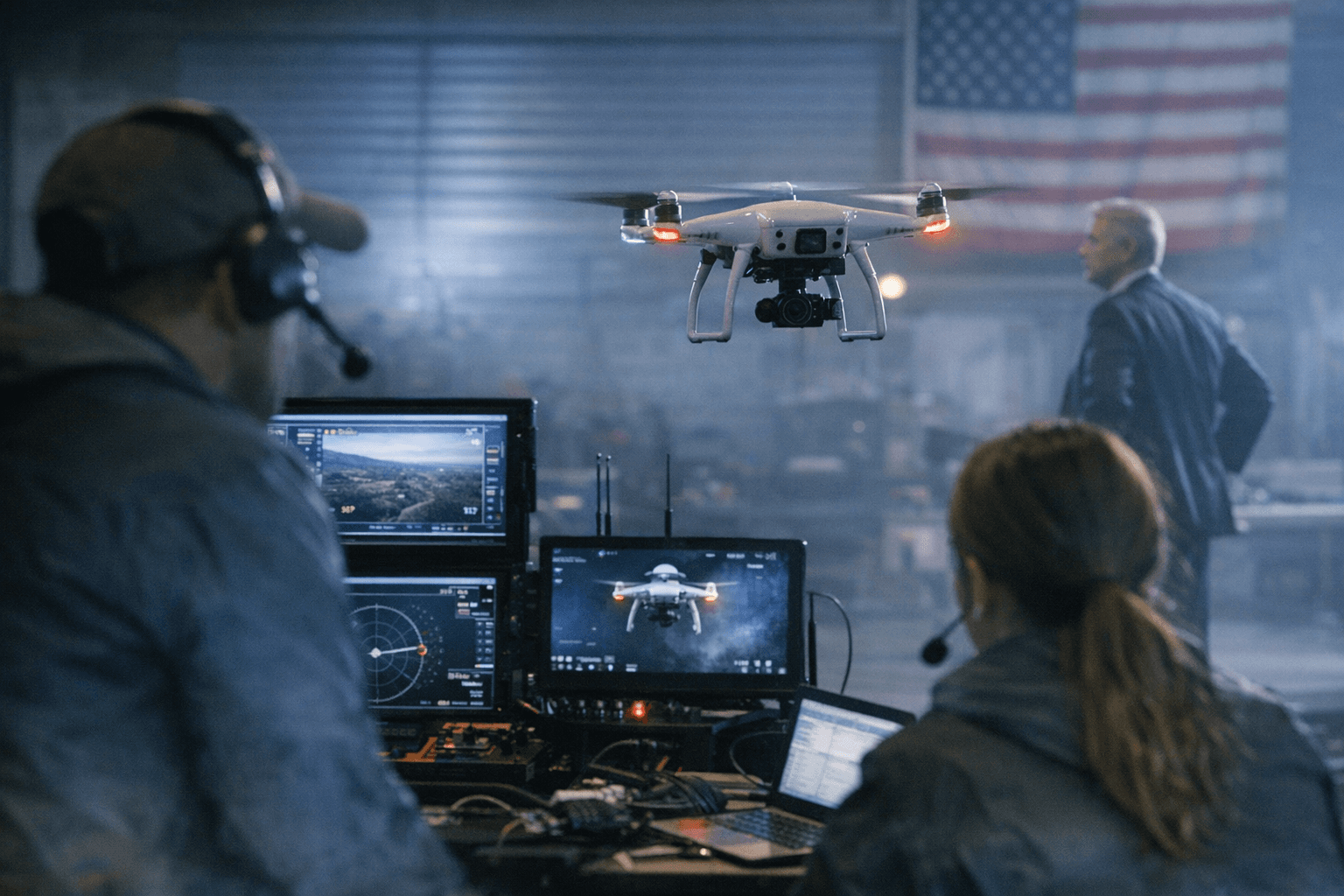
The commission issued a public notice asking industry, academics, and stakeholders to propose regulatory changes designed to position the United States as the global leader in drone technology. FCC Chairman Brendan Carr framed the stakes directly: "President Trump has been clear that the Administration will act to secure our airspace and unleash American drone dominance." Carr punctuated that position by visiting Anduril Industries' test facility in Texas alongside CEO Brian Schimpf and COO Matt Grimm, where counter-drone and high-performance systems illustrated what domestic manufacturers can field when regulatory pathways cooperate.
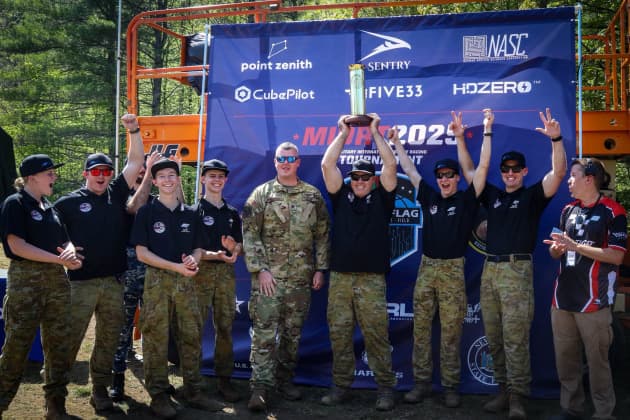
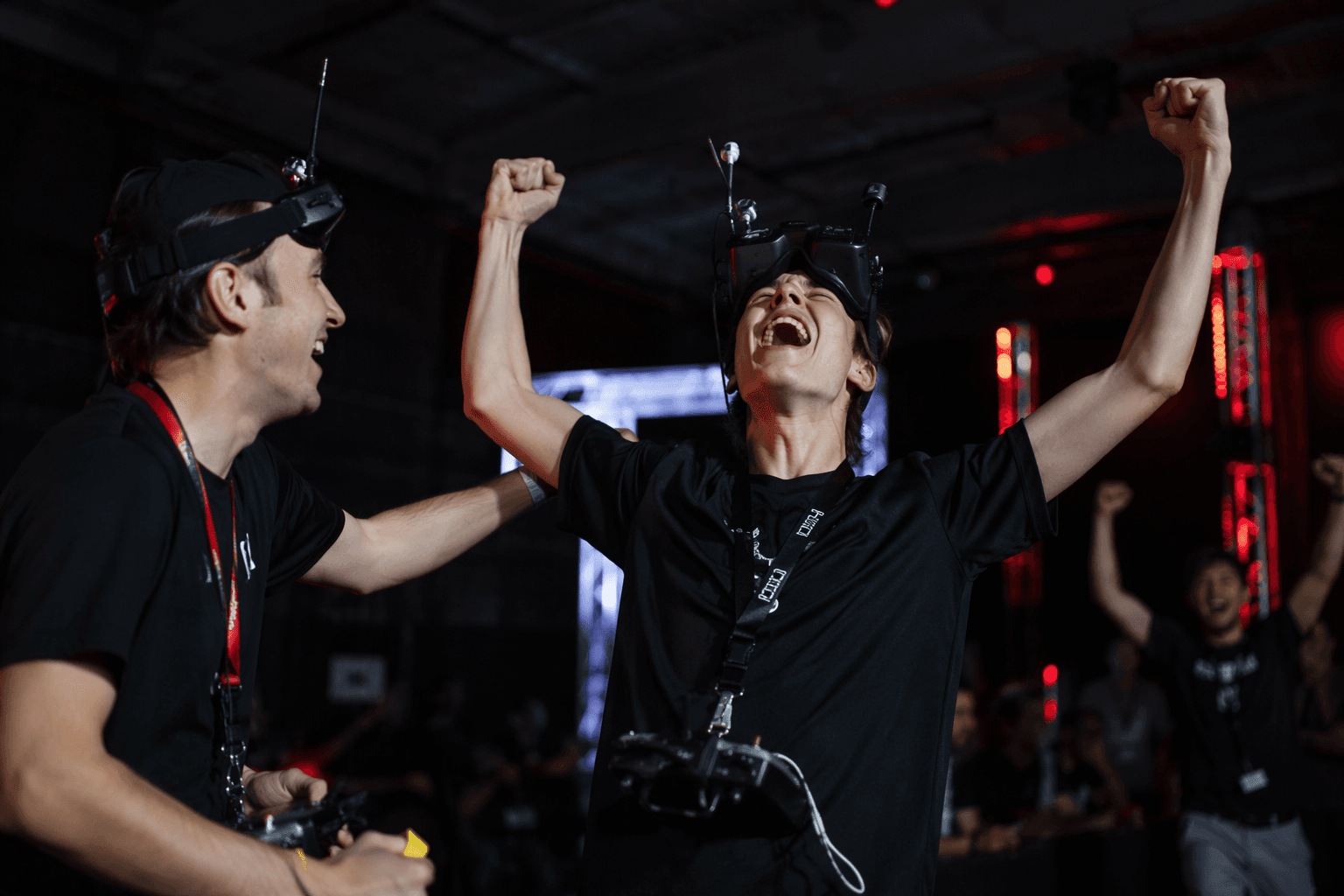
The notice poses three question clusters that map onto race-day hardware. First, whether current spectrum allocations and sharing rules adequately support the low-latency, high-bandwidth links that FPV racing depends on, the kind of load that Walksnail, HDZero, DJI's digital systems, and OpenIPC pipelines push against every weekend at MultiGP-sanctioned events. Second, how the Covered List framework, which was expanded to include foreign-made drone components in December 2025, should treat imported finished systems going forward. Third, whether conditional approvals or trusted-supplier testbeds could fast-track certification for new domestic radio architectures.
The Covered List dimension carries the most immediate sting. The FCC updated it in March 2026, introducing the first Conditional Approvals for specific drone systems through a structured case-by-case review process that is gradually replacing blanket import restrictions. If future Covered List entries sweep in VTX modules, goggle receivers, or integrated systems from certain foreign manufacturers, race-day hardware availability narrows and replacement costs spike.
The upside scenario is equally concrete. If the FCC carves out new spectrum or raises allowable transmit power for certified domestic FPV links, the bandwidth congestion that plagues eight-pilot race heats on a single 5.8 GHz frequency plan could ease considerably. Event directors running MultiGP circuits already manage frequency coordination manually; a cleaner regulatory framework for digital links would reduce that compliance friction from the starting line.
Comments are due May 1, 2026, with reply comments accepted through May 18. For pilots and clubs that want input on the outcome, three data points carry the most regulatory weight: documented evidence of 5.8 GHz interference at organized race events with specific pilot counts and frequency plans; technical specifications showing the latency and bandwidth demands of the digital link systems your club actually flies, whether Walksnail, HDZero, or DJI; and the compliance burden that current equipment authorization timelines impose on importing or reselling new VTX or goggle hardware. File through the FCC's Electronic Comment Filing System under the relevant docket number.
The FCC's docket stays open, but the window to define what "American drone dominance" means for the racing community, rather than letting defense contractors define it by default, closes May 1.
This article was produced by Prism’s automated news system from verified source data, official records, and press releases, then run through automated quality and moderation checks before publishing. The system is built and supervised by the people who set the standards it runs under. Read our full AI policy.
Did this article answer your question?