Former Westview Grad Serves Ukraine as FPV Drone Pilot with 25th Brigade
Brayden Padgett left civilian life behind a Westview grad to become an FPV drone pilot fighting on Ukraine's frontlines with the 25th Brigade.

Brayden Padgett didn't take the conventional path after leaving Westview. While most graduates move toward careers, college, or the comfortable rhythms of civilian life, Padgett made a decision that would land him on the frontlines of one of the most technologically intense conflicts in modern military history: he traveled to Ukraine, joined the country's armed forces, and eventually earned his place as an FPV drone pilot with the 25th Brigade.
That trajectory, from Westview graduate to combat drone operator in a warzone, is the kind of story that doesn't fit neatly into any single category. It's part human-interest profile, part military chronicle, and part window into how the war in Ukraine has become a proving ground for a new generation of unmanned aerial warfare.
From Westview to the Front
The details of Padgett's early life at Westview aren't unusual on their face. He's a graduate of the kind of school that produces athletes, engineers, artists, and, apparently, soldiers willing to cross an ocean to serve in someone else's war. What makes his story distinctive isn't just the choice he made, but the specific technical role he ultimately filled. FPV, or first-person view, drone piloting is not a background assignment. It is one of the most consequential and demanding roles in modern Ukrainian battlefield tactics.
The decision to travel to Ukraine and enlist wasn't a small one. Foreign volunteers who join Ukraine's armed forces enter a complex legal and military environment. They train, integrate into existing units, and are assigned based on skill sets. For Padgett, that process led him to the 25th Brigade, a formation with real operational responsibilities on the front.
What FPV Drone Pilots Actually Do
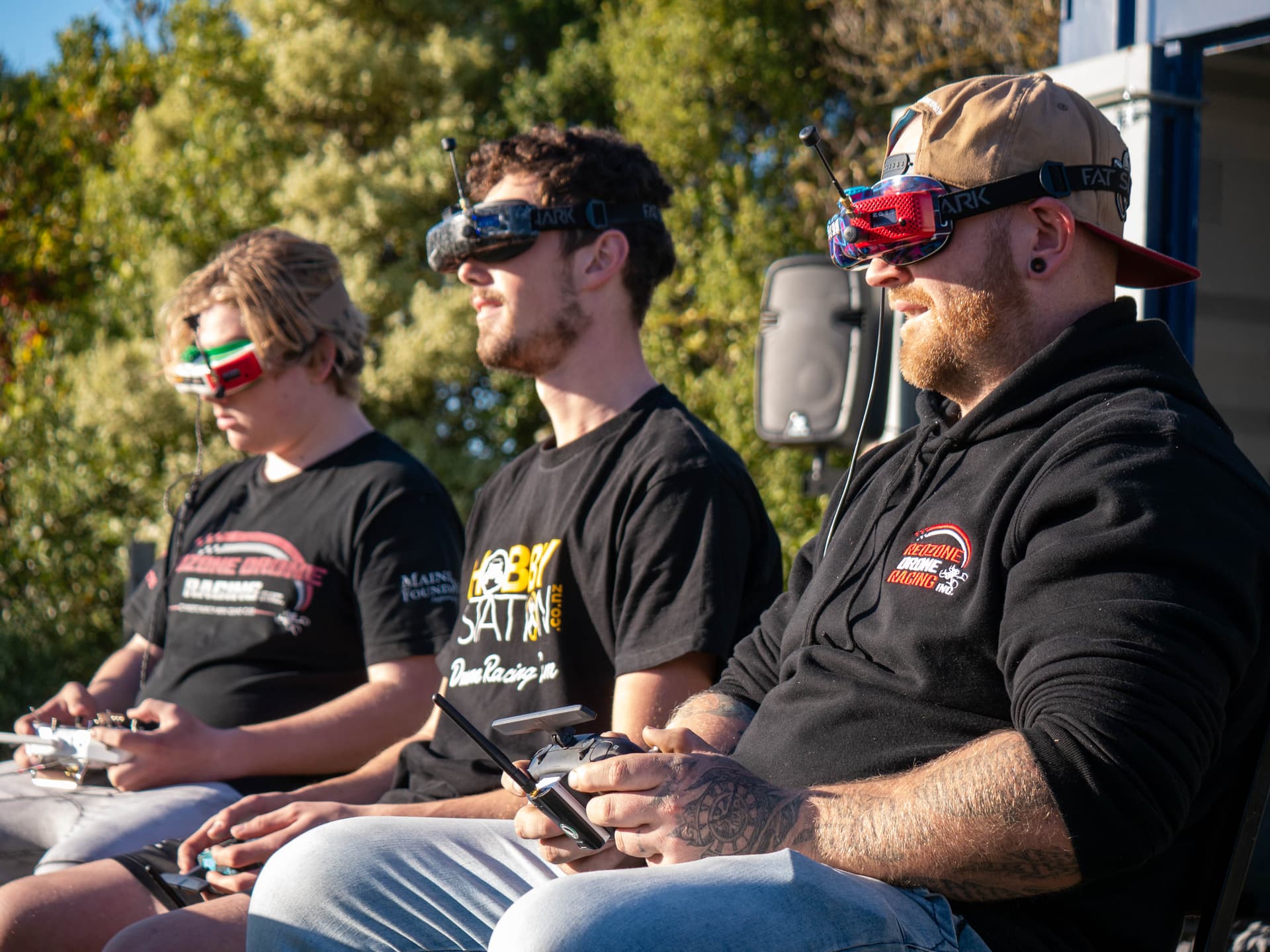
To understand why Padgett's role matters, you have to understand what FPV drone warfare looks like in the Ukrainian conflict. First-person view drones are small, fast, and piloted in real time through a headset that puts the operator inside the drone's camera feed. The pilot sees exactly what the drone sees, navigating at high speed toward a target with precision that traditional munitions can't always match.
In Ukraine, FPV drones have become one of the defining weapons of the conflict. Both sides use them extensively. They're cheap relative to conventional artillery, they can be deployed rapidly, and in skilled hands they're devastatingly accurate. Ukrainian units have built entire operational doctrines around FPV drone teams, and the 25th Brigade is part of that broader effort to integrate drone warfare into frontline tactics.
Serving as an FPV pilot isn't a safe, rear-echelon role. Operators work close enough to the front that the drones they're flying are often engaging targets within line-of-sight range. The psychological and technical demands are significant: pilots must maintain focus under fire, navigate electronic countermeasures designed to jam or spoof drone signals, and make split-second decisions with real lethal consequences.
The 25th Brigade and Its Context
The 25th Brigade is part of Ukraine's armed forces, one of many units that have absorbed both domestic recruits and foreign volunteers as the conflict has extended well past its initial phase. Brigades at this level operate across multiple mission types, and their drone teams represent some of the most tactically innovative soldiers in the force.
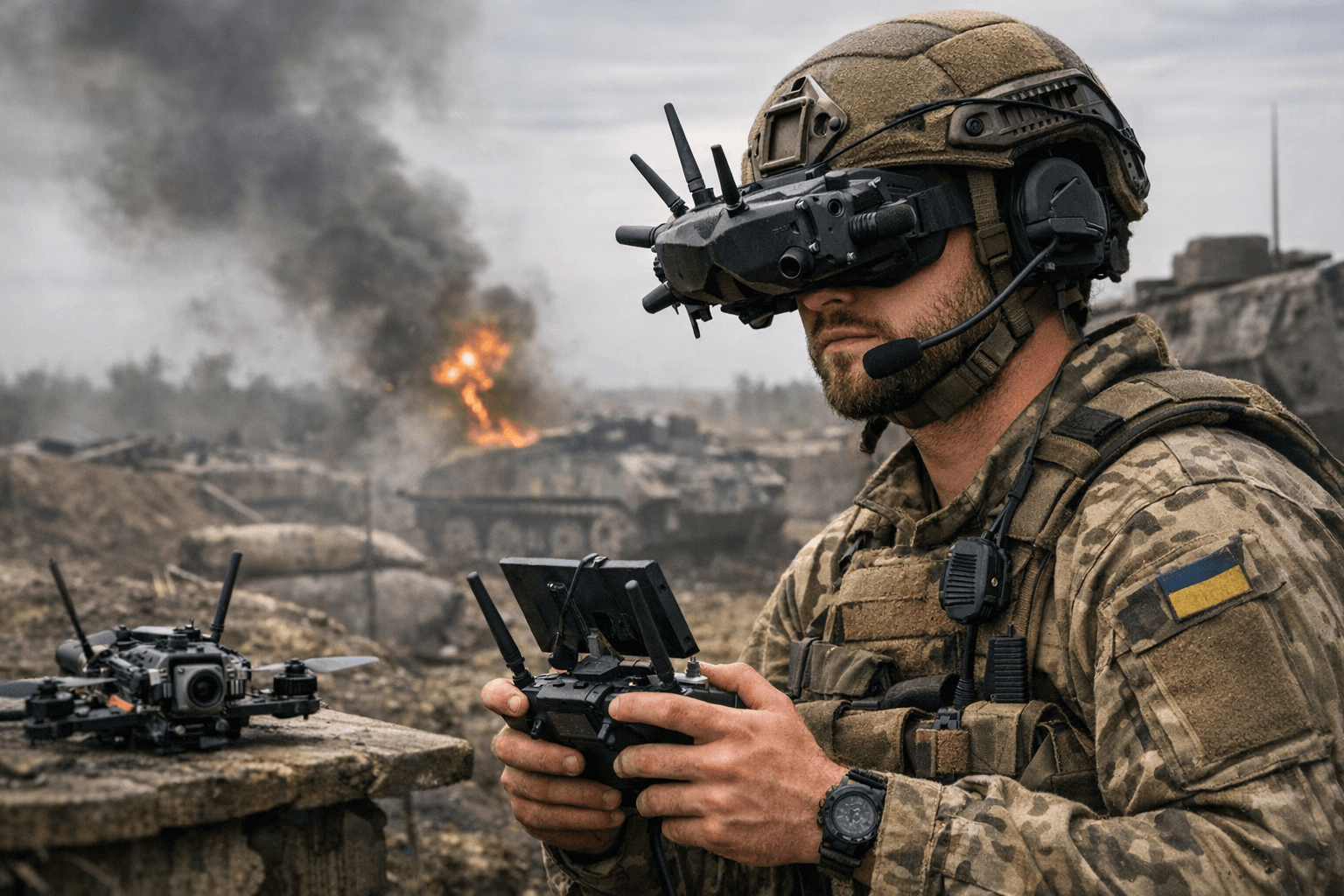
For a foreign volunteer like Padgett to reach a position within that structure required more than just willingness. It required demonstrable skill, the ability to integrate with Ukrainian personnel, and the trust of the unit's command structure. FPV pilots are not a surplus commodity; units that have them rely on them heavily, and the training pipeline to produce competent operators takes time.
A Civilian Path Toward Combat
The profile of Padgett traces his journey from civilian life forward, which is a meaningful framing. It's not a story that starts with military ambition. It starts with a person who made a series of choices that led somewhere extraordinary and dangerous. That arc, from a school hallway at Westview to a drone command station near the front in Ukraine, captures something real about how individuals respond to large-scale historical events.
Foreign volunteers who have served in Ukraine come from a wide range of backgrounds and motivations. Some have prior military experience. Others arrive with technical skills, including drone operation, that the Ukrainian military can put to immediate use. Padgett's profile fits within that broader volunteer phenomenon, but his specific assignment to an FPV role within the 25th Brigade distinguishes him from many others who have made the same trip.
Why This Story Reaches Beyond the Human Interest Label
It would be easy to file this story under "remarkable individual" and move on. That would be a mistake. Padgett's story is also a data point in a larger shift in how wars are fought and who fights them. The fact that a former Westview graduate can travel to a warzone, learn FPV drone piloting, and become a functional asset for a frontline brigade says something about how accessible and critical this technology has become.
In most previous conflicts, a civilian with no prior military training who wanted to contribute meaningfully would face a steep learning curve measured in years. FPV drone piloting compresses that curve significantly, particularly for people who already have a background in drone hobbyist culture, gaming, or anything that builds the hand-eye coordination and spatial awareness the role demands. Ukraine has leaned into that reality harder than any military in history, and people like Padgett are the result.
The 25th Brigade benefits from his skills. Padgett carries the weight of operating a weapon system in a live conflict. Both of those things are true simultaneously, and the profile published this week holds both without reducing either to something simpler than it actually is.
Padgett's story won't be the last of its kind. As long as the conflict in Ukraine continues, and as long as FPV drones remain central to how that conflict is fought, the pipeline of technically skilled volunteers willing to make the same journey will keep producing soldiers the Ukrainian military didn't train from scratch but absolutely relies upon.
Know something we missed? Have a correction or additional information?
Submit a Tip