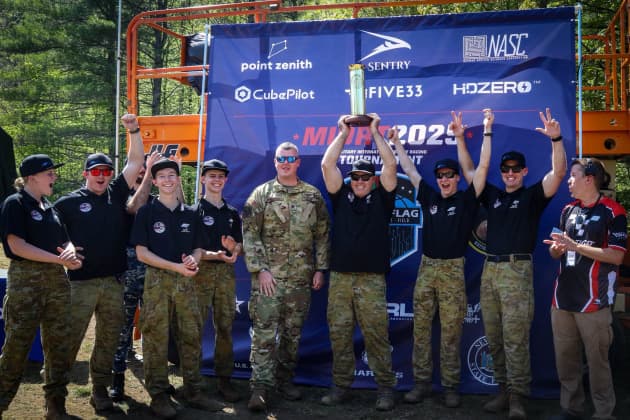
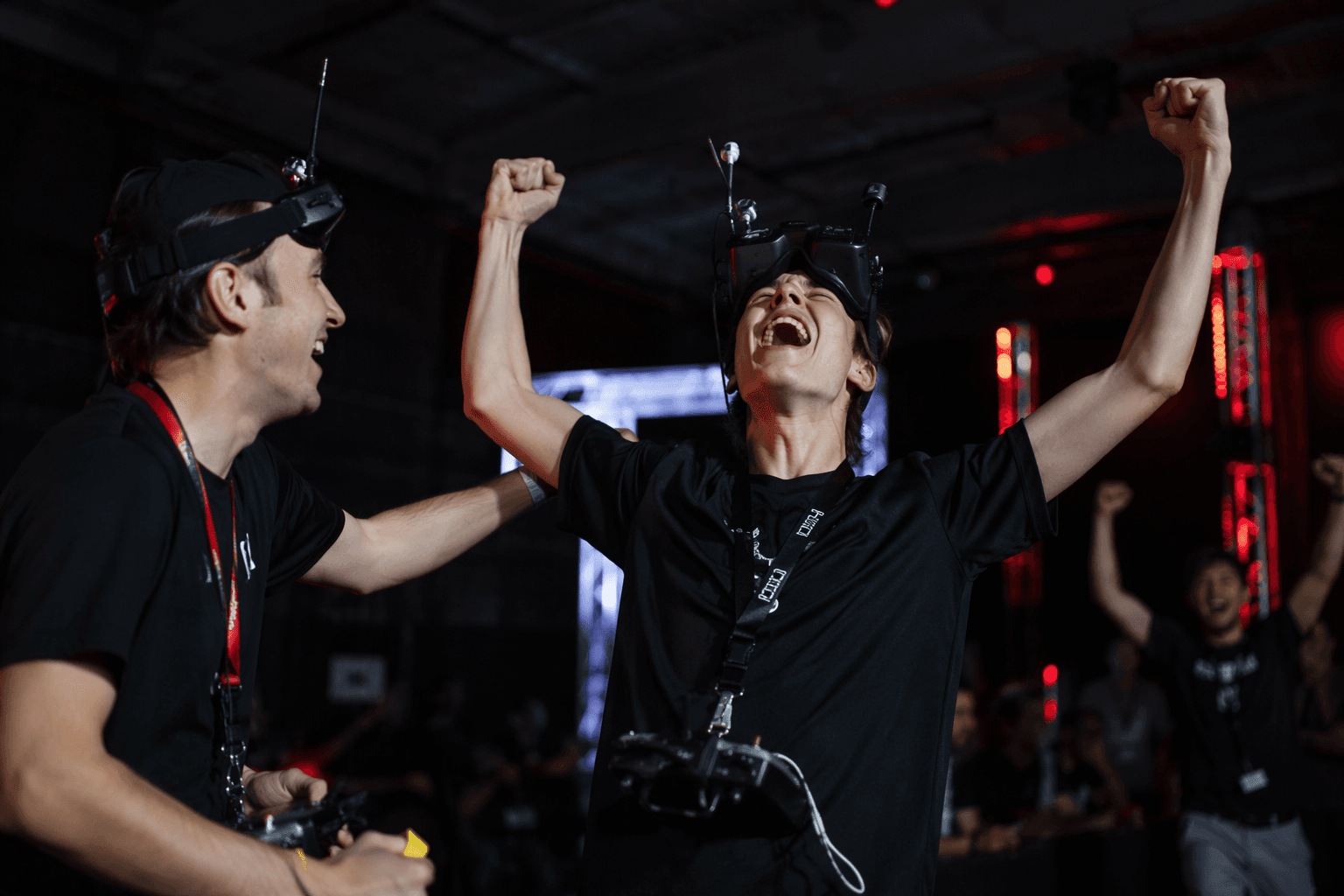
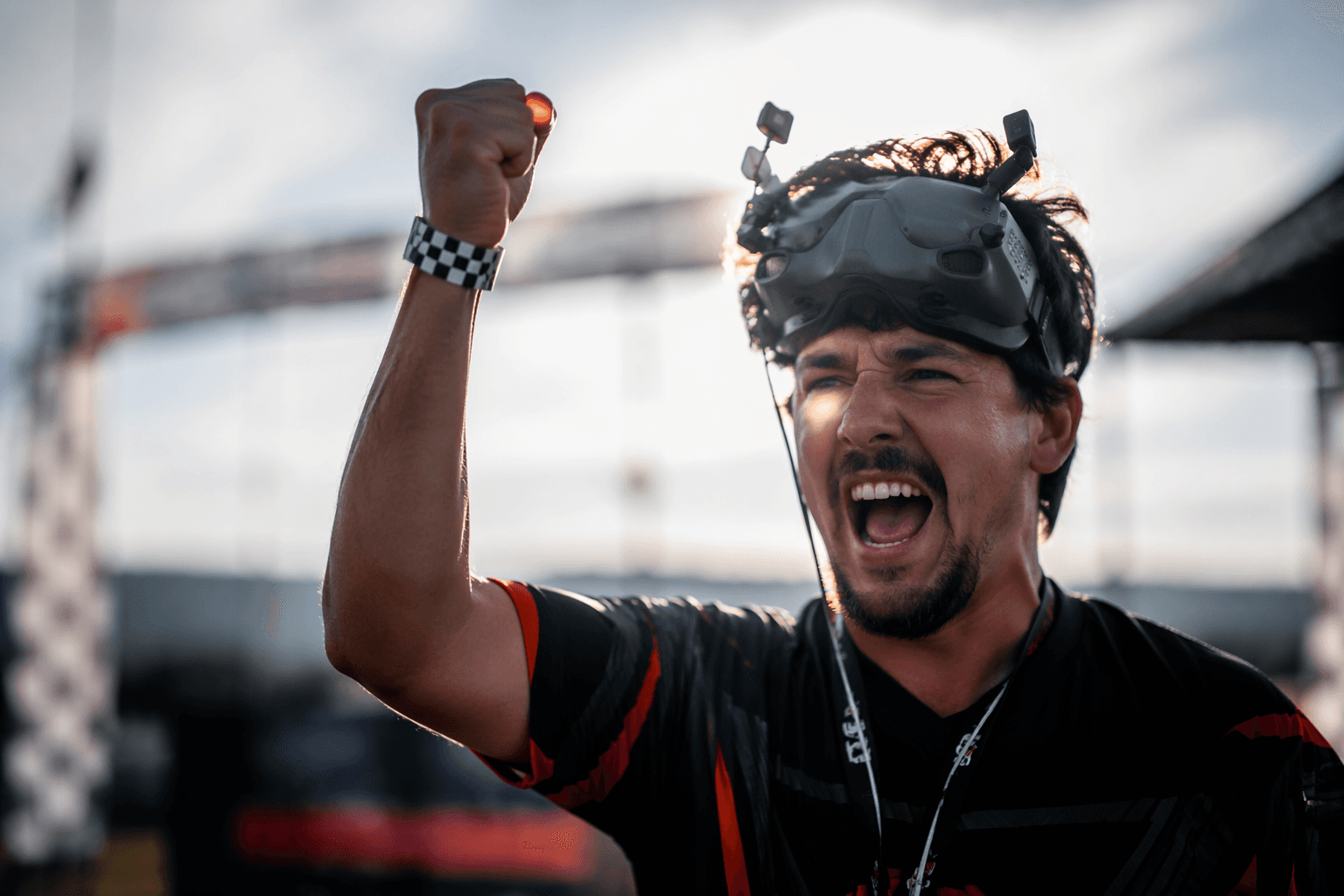
FPV drone racing grows through local clubs, practice, and community
The fastest way into FPV racing is local: clubs, simulators, and race-day repetition. The path runs from a church lot in Maryland to Tulsa and Chengdu.
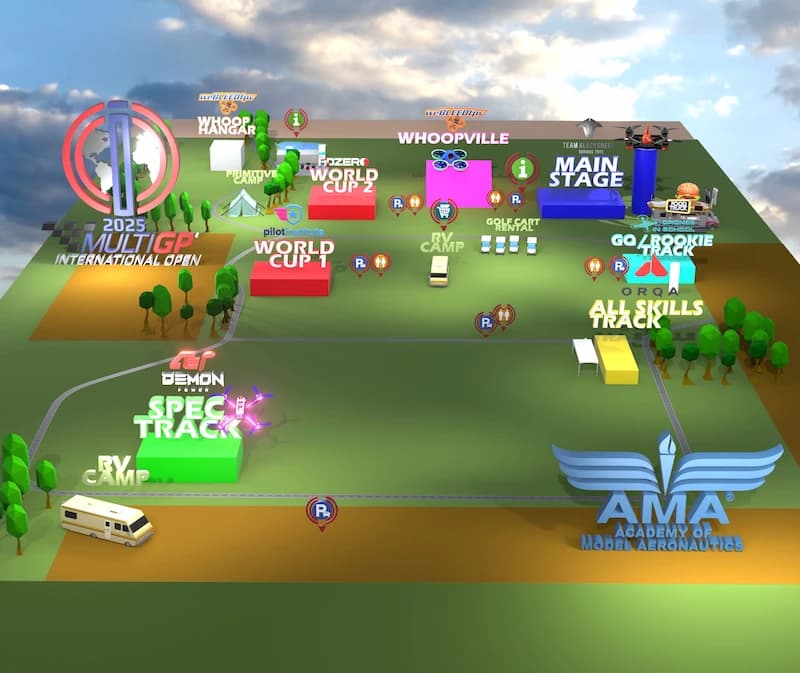
Start where the sport actually lives: the club scene
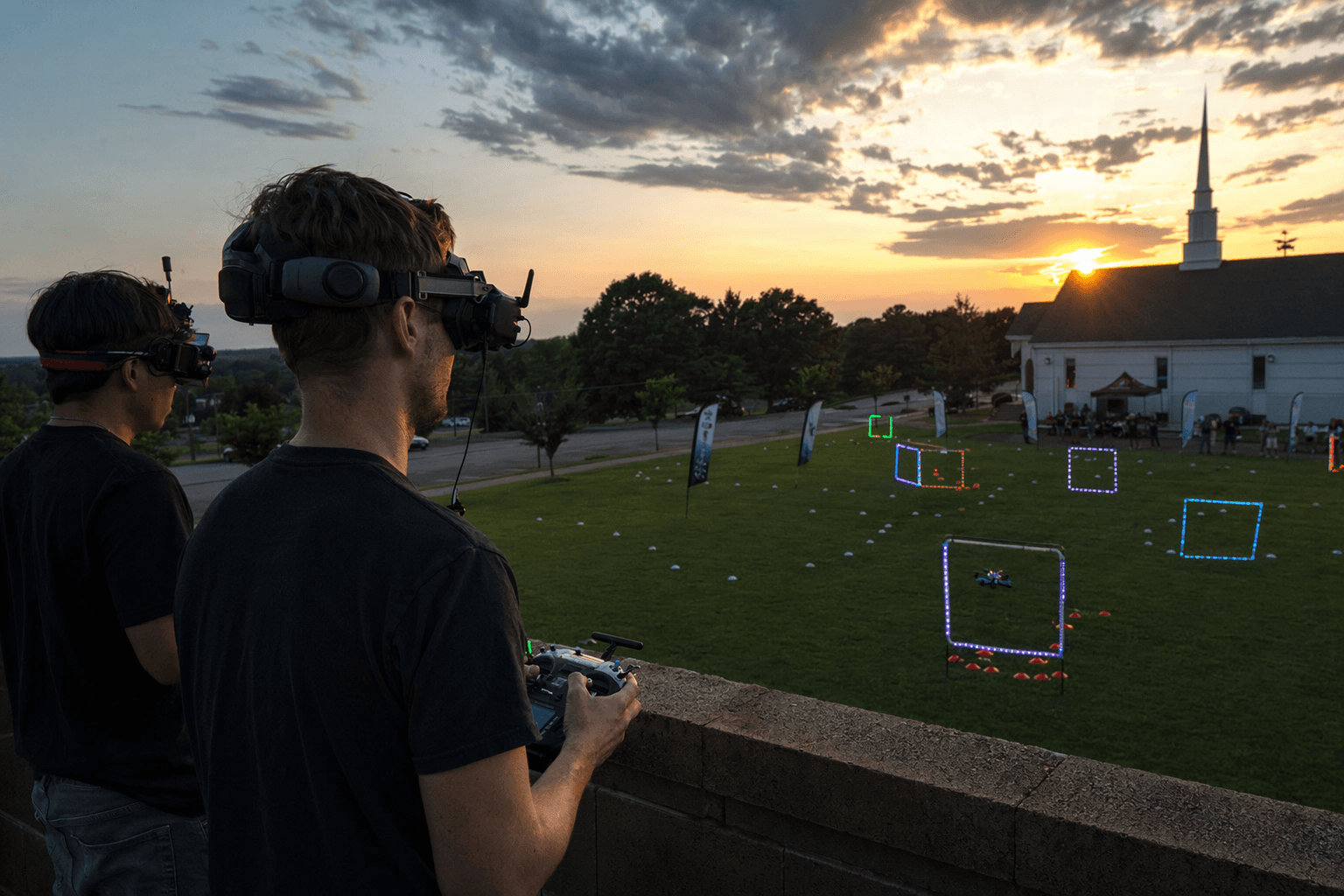
The easiest way from “I have a quad” to “I’m on a start line” is not a showcase event or a big arena. It is a local chapter, a practice night, and a few people who know how to keep a drone in the air long enough to learn from it. FPV Drone Guide’s updated 2026 guide captures that reality in one sharp detail: the author’s first MultiGP race happened in a church parking lot in Maryland, which says more about the sport’s true entry point than any polished promo video ever could.
That is also how MultiGP describes its own structure. Its Chapters are local groups that organize regular races, practice sessions, and meetups, which makes the pathway visible and repeatable instead of mysterious. With more than 30,000 registered pilots and 500 active chapters worldwide, the organization has built a grassroots network large enough to make local access the real growth engine of the sport.
How to move from solo flying to race-ready
The first jump is not speed, it is structure. The guide treats race day as something a newcomer should learn to feel before trying to win, because FPV racing rewards pilots who understand the rhythm of staging, repeated laps, and quick resets after mistakes. That matters in a sport where progress comes from repetition and feedback, not just raw stick time.
The community piece is the shortcut. Flying alone teaches control, but flying with other pilots exposes you to line choice, gate pressure, repair habits, and the kind of practical advice that saves hours later. The guide’s central point is simple: local community helps you improve faster than you would by grinding solo flights, because someone nearby has already broken the same part, tuned the same frame, or solved the same radio problem.
The gear you need, and the costs that catch newcomers off guard
FPV racing is unusually technical for a sport, and that is both the barrier and the appeal. A newcomer does not just need a quad and a charger. The practical setup includes a controller, goggles, spare batteries, a simulator routine, and enough spare parts to keep learning after a crash. That gear stack explains why the most important early skill is not speed but maintenance.
The smartest shortcut is the simulator. The guide makes clear that a good sim routine lets you crash cheaply before you crash expensively, which is one of the most useful truths in the sport. A simulator builds muscle memory, but it also saves money by delaying the moments when a broken arm, bent prop, or damaged camera would otherwise end a practice night early.
Learn the rules before you get to the gate
The entry path is not only technical; it is regulatory. The Federal Aviation Administration requires recreational flyers to pass the free TRUST test before flying, and pilots should carry proof of completion if asked. That is the first box to check before a serious race path begins, because the sport’s local freedom sits inside a real compliance framework.
Registration and Remote ID are part of that same learning curve. The FAA says recreational drones weighing more than 0.55 pounds must be registered through FAA DroneZone, and drones that must be registered also have to comply with Remote ID. That can be done with a Standard Remote ID drone, a broadcast module, or by flying inside a FRIA, which means the rules are not a side note anymore. They are part of how you get from practice to sanctioned flight.
Why local clubs matter more than almost anything else
This is where drone racing looks different from many other niche sports. The fastest path upward is not always the most expensive one, but the most connected one. Local clubs give you practice space, race entries, and access to people who can help with battery management, frame repairs, radio setup, goggles, and the constant small fixes that separate casual flying from competitive flying.
That social structure is the reason the sport keeps producing new pilots and new chapters. It lowers the friction at the exact point where newcomers usually stall. Instead of buying every answer on your own, you get exposed to a community that already knows what fails, what lasts, and what is worth upgrading first.
The ladder from club racing to college and the world stage
The progression is getting clearer at every level. MultiGP’s Collegiate Drone Racing Association materials say schools can create chapters, race official tracks, and qualify for the Collegiate Drone Racing Championship. The 2026 championship is scheduled for April 11 to 12 at Skyway36 Droneport & Technology Innovation Center in Tulsa, Oklahoma, which shows how seriously the pipeline from campus flying to sanctioned competition has developed.
MultiGP’s broader championship footprint also shows how the sport is moving into larger, more recognizable venues. Its 2025 championship was held at the Hardesty National BMX Hall of Fame in Tulsa from October 7 to 11, 2025, the first time the event was staged there. For pilots, that is a sign that drone racing is no longer just a garage-to-parking-lot culture; the ladder now runs from club nights to formal championship settings.
At the top end, the international structure is equally clear. FAI, the world governing body for air sports recognized by the International Olympic Committee, says it is responsible for world drone sports. It describes the Drone Racing World Cup as a series of open international events that awards medals to the top three in the annual ranking, which gives the sport a competitive frame that extends far beyond local chapters.
The global proof that the pipeline works
The sport’s visibility reached another level at The World Games 2025 in Chengdu, China, where drone racing ran from August 13 to 16, 2025. FAI highlighted Yuki Hashimoto of Japan among the winners, a reminder that the sport’s best-known names are now emerging from a system that starts with local clubs and ends on an international podium.
That progression matters because it makes the entry map believable. A newcomer does not need a stadium or a sponsorship to begin. The real route is more modest and more accessible: pass TRUST, register if required, get a controller and goggles, spend time in a simulator, find a local chapter, and show up where other pilots are already flying. From there, the sport takes over.
This article was produced by Prism’s automated news system from verified source data, official records, and press releases, then run through automated quality and moderation checks before publishing. The system is built and supervised by the people who set the standards it runs under. Read our full AI policy.
Did this article answer your question?