Rocket Drones launches May Sim Challenge, rewards three straight fast laps
Fastest three clean laps, no missed gates, is the May Sim Challenge’s test. Rocket Drones turned the month into a leaderboard race with student and coach prizes.

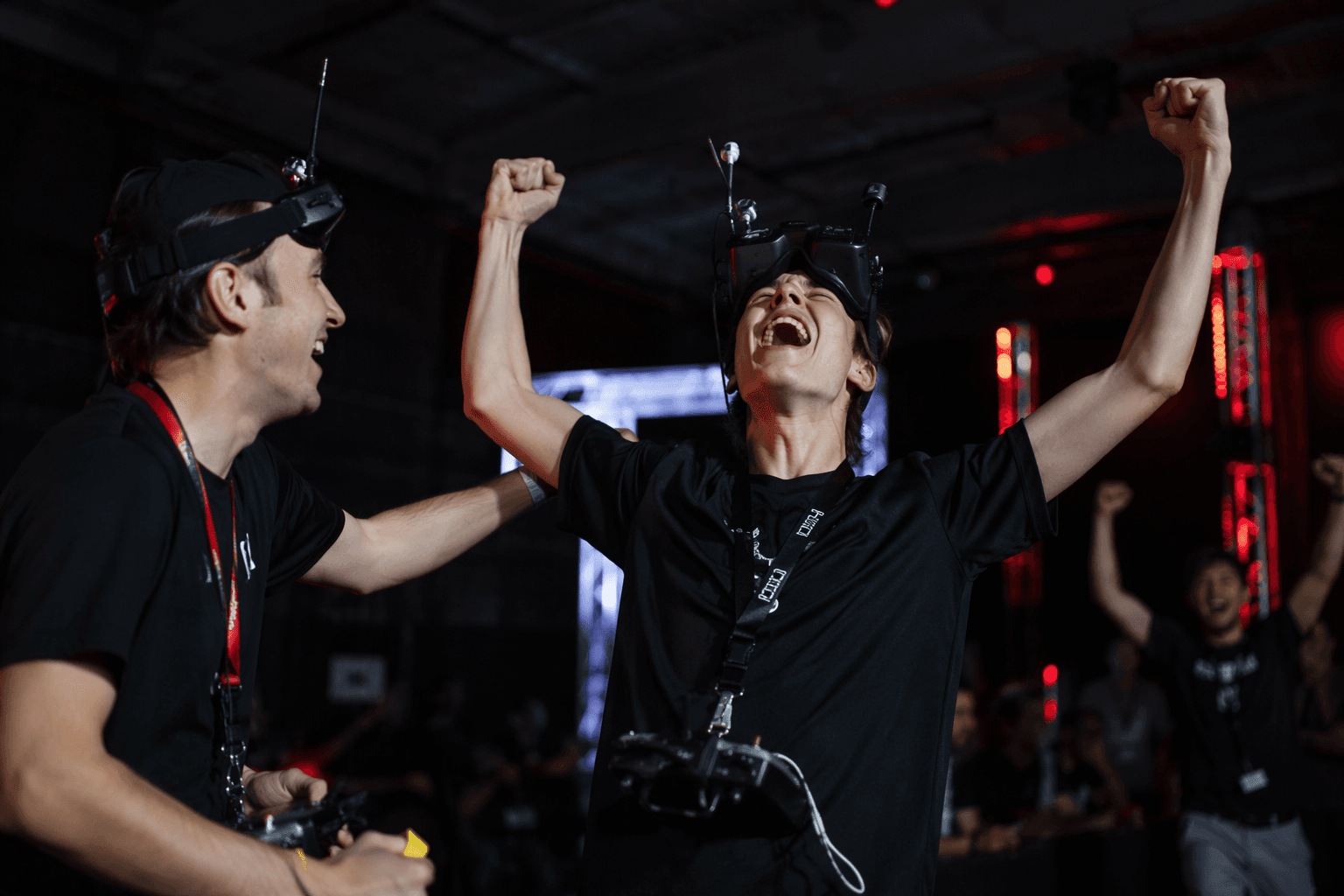
Rocket Drones turned May into a consistency contest. The company’s May Sim Challenge asked students to string together the fastest three consecutive laps without missing a gate, a format that rewards rhythm, clean lines and recovery more than one isolated hot lap.
The challenge went live through the Rocket Drones Racing Simulator, where students were told to find it under the Tracks tab and start grinding. The deadline shown in the YouTube description was 11:59 PM CST on May 31, 2026, giving racers the rest of the month to chase a place near the top of the leaderboard.
That structure matters in a sport where one mistake can erase a run. By making three straight laps count, Rocket Drones forced pilots to show repeatable pace instead of gambling on a single fast circuit. It is a format built for drone racing’s real pressure points: gate discipline, line choice and the ability to stay calm after a small error.
Rocket Drones said the simulator challenge is a monthly competition across participating schools, with a new track released each month and nationwide bragging rights and prizes on the line. The company’s leaderboard page already showed the May Simulator Leaderboard, while its archive pointed back to January, February, March and April 2026, underscoring that this is becoming a rolling season of school-based competition rather than a one-off event.
The simulator is also doing more than feeding a scoreboard. Rocket Drones describes it as a structured, progression-based training pathway for grades 6-12 that automatically logs hours and tracks progress for classrooms, clubs and competitive teams. That makes the May challenge as much a teaching tool as a race, with students able to compare splits, refine gate-to-gate discipline and build race management habits that carry over to live meets.
The company said its school licensing can cover up to 500 students and teachers per campus, a scale that positions the simulator for larger programs looking to keep pilots active when travel, weather or equipment limitations make live racing harder to stage. Rocket Drones also said the platform is part of a broader school drone-education push that bridges STEM and CTE.
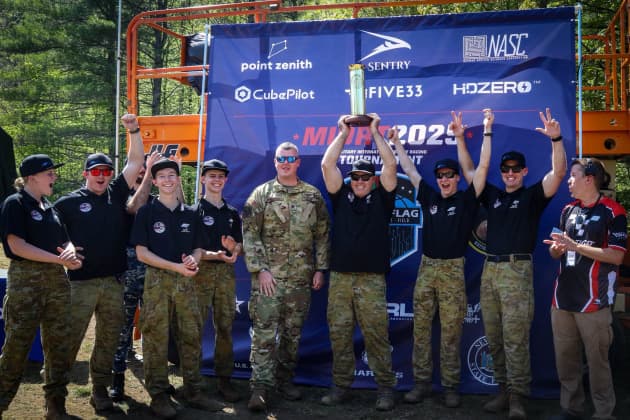
The May contest arrives after Rocket Drones posted a May 7 National Student Drone Competition recap from Space Camp, another sign that the company is pushing both live and simulator-based competition at the same time. Founded by drone industry professionals Chris Tonn and Brandon, Rocket Drones is also tied to the Semper Supra Award in partnership with the United States Space Force, giving its student pipeline a wider competitive frame as the May leaderboard takes shape.
This article was produced by Prism’s automated news system from verified source data, official records, and press releases, then run through automated quality and moderation checks before publishing. The system is built and supervised by the people who set the standards it runs under. Read our full AI policy.
Did this article answer your question?