FPV Drone Racing Lap Timing Explained for Pilots and Race Organizers
Lap timing separates a casual FPV meetup from a legitimate race — here's how the hardware and software actually work, from $600 pro gear to open-source alternatives.
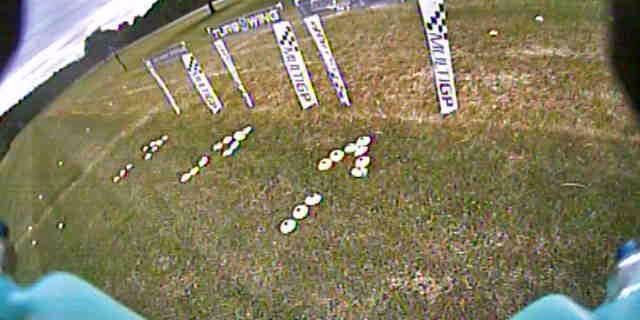
The difference between first and second place in FPV drone racing can be fractions of a second. That's not a metaphor — it's the operational reality that makes lap timing the backbone of every competitive result, from MultiGP chapter events to larger invitationals. Without a reliable system to measure when a quadcopter crosses the finish line and match that time to the correct pilot, you don't have a race. You have a fly-around.
"Racing drones are harder to track than almost any other type of RC craft that have come before, so FPV racing has its own unique set of solutions." That line from GetFPV Learn captures exactly why this topic deserves serious attention. The speeds, the radio frequencies, the sheer number of pilots in the air simultaneously — none of it fits neatly into timing frameworks borrowed from other motorsports. Understanding how these systems work gives pilots a better read on race results and gives organizers the tools to run cleaner, more credible events.
Two Components, One System
Every timing setup in FPV racing is built from two distinct pieces. The first is timing hardware: the physical equipment that detects when a drone crosses the finish line and records the timestamp. The second is event management software, which matches those raw timestamps to individual pilots and organizes them into meaningful results.
The software side does more than just process numbers. It acts as a full operational database, tracking pilots, heats, and race classes while serving up results in real time. Modern event management platforms also push results to websites and provide streaming overlays for live video coverage, which matters increasingly as FPV racing builds a broadcast audience. The hardware and software components are distinct, and depending on which timing system you choose, you may need to source them from different vendors.
The High-End Standard: ImmersionRC LapRF 8-way
At top-tier competitive events, one piece of hardware dominates: the ImmersionRC LapRF 8-way. Nearly all top-tier events are run with it, and that adoption rate is not accidental. The LapRF has built its reputation on rock-solid reliability and ease of use for timing analog racing drones. Race groups consistently report a near-perfect record of lap detection once a solid set of calibration values is dialed in.
The performance case is straightforward: it picks up almost every lap and records those times accurately, usually within 25ms. For a sport decided by fractions of a second, that level of precision is essential. The tradeoff is cost. The LapRF 8-way typically runs $600, which is a significant investment for a club or chapter just getting organized.
There's one more structural consideration: the LapRF 8-way is hardware only. It has no built-in event management layer, so organizers must connect it to event management software from a separate vendor. That's not a flaw so much as an architecture decision, but it means your timing setup requires two separate procurement decisions, not one.
The Open-Source Alternative: RotorHazard
For race groups that can't justify a $600 hardware purchase or want more flexibility in how their system is configured, RotorHazard presents a compelling alternative. A transparency note worth including here: the GetFPV Learn piece carries an explicit author disclosure — "Full disclosure: I am the lead developer of the RotorHazard race timer project which is discussed below." Keep that context in mind when weighing the enthusiastic framing around the system.
With that disclosure on the table, the technical explanation of how RotorHazard works is useful on its own merits. The system detects when a drone crosses the timing gate by reading RSSI, the signal strength from each drone's video transmission. The detection sequence works like this:
1. Each pilot uses a specific video channel (e.g., Raceband 1).
2. A receiver module (like the RX5808) is tuned to that frequency.
3. As the drone passes through the gate, the signal strength spikes.
4. RotorHazard recognizes the spike and logs a lap.
The elegance of this approach is that it repurposes hardware most FPV drones already carry — the video transmitter — as the detection signal source. There's no dedicated transponder required on the aircraft. The system uses smart filters to avoid false triggers and ensure only clean lap detections are recorded, which is critical in environments where RF noise and overlapping signals can otherwise create phantom laps.
Setting Up Hardware That Actually Works
Understanding the concept is one thing; getting clean detection on race day is another. The practical setup guidance from GetFPV Learn applies whether you're building your first RotorHazard node or troubleshooting an inconsistent system:
- Start small — even a 2-pilot race is a great way to learn.
- Test detection with different VTx power levels (e.g., 25 mW vs 200 mW).
- Mount receivers securely and align them well with the gate area.
- Keep the timing gate wide to ensure smooth lap detection.
- Use practice runs to fine-tune your RSSI thresholds.
The VTx power testing point is particularly worth internalizing. Lower power levels like 25 mW can create weaker RSSI signatures that are harder to distinguish from ambient noise, while higher power settings such as 200 mW produce stronger, cleaner spikes. Finding the right balance for your specific environment — indoors, outdoors, field size, proximity of the timing gate to the flight path — takes real testing, not assumptions. "The more you experiment, the more you'll understand how your gear behaves — and the smoother your events will be."
Gate geometry matters too. A timing gate that's too narrow creates a tight detection window, increasing the chance that a drone passing at an angle clips outside the optimal RSSI spike zone. Keeping the gate wide isn't just good for pilots navigating the course — it's an active quality-of-data decision for the timing system.
Choosing the Right System for Your Event
The choice between the ImmersionRC LapRF 8-way and RotorHazard isn't purely about budget, though that's a real factor. It's also about the operational complexity you're ready to manage. The LapRF is purpose-built hardware that plugs into existing event management platforms; its reliability record speaks for itself, and calibration is the primary variable a race director needs to manage. The $600 price point reflects a product engineered for events where timing errors have real consequences for standings and athlete trust.
RotorHazard, by contrast, is built around affordability and flexibility. "RotorHazard gives FPV pilots the ability to host structured, exciting races without breaking the bank. It brings together affordability, flexibility, and powerful features in a system that's easy to set up and fun to use." For a local club, a first-time organizer, or any group looking to establish a racing program without heavy upfront costs, that value proposition is real. The tradeoff is that RSSI-based detection requires more active tuning, particularly around threshold calibration, receiver placement, and VTx power management.
Neither system works perfectly out of the box without attention. Both reward organizers who run practice sessions, check calibration before heats, and understand the physics of what they're actually measuring. The pilots who trust the results are counting on that due diligence. Get the timing right, and everything else in the race follows.
Know something we missed? Have a correction or additional information?
Submit a Tip