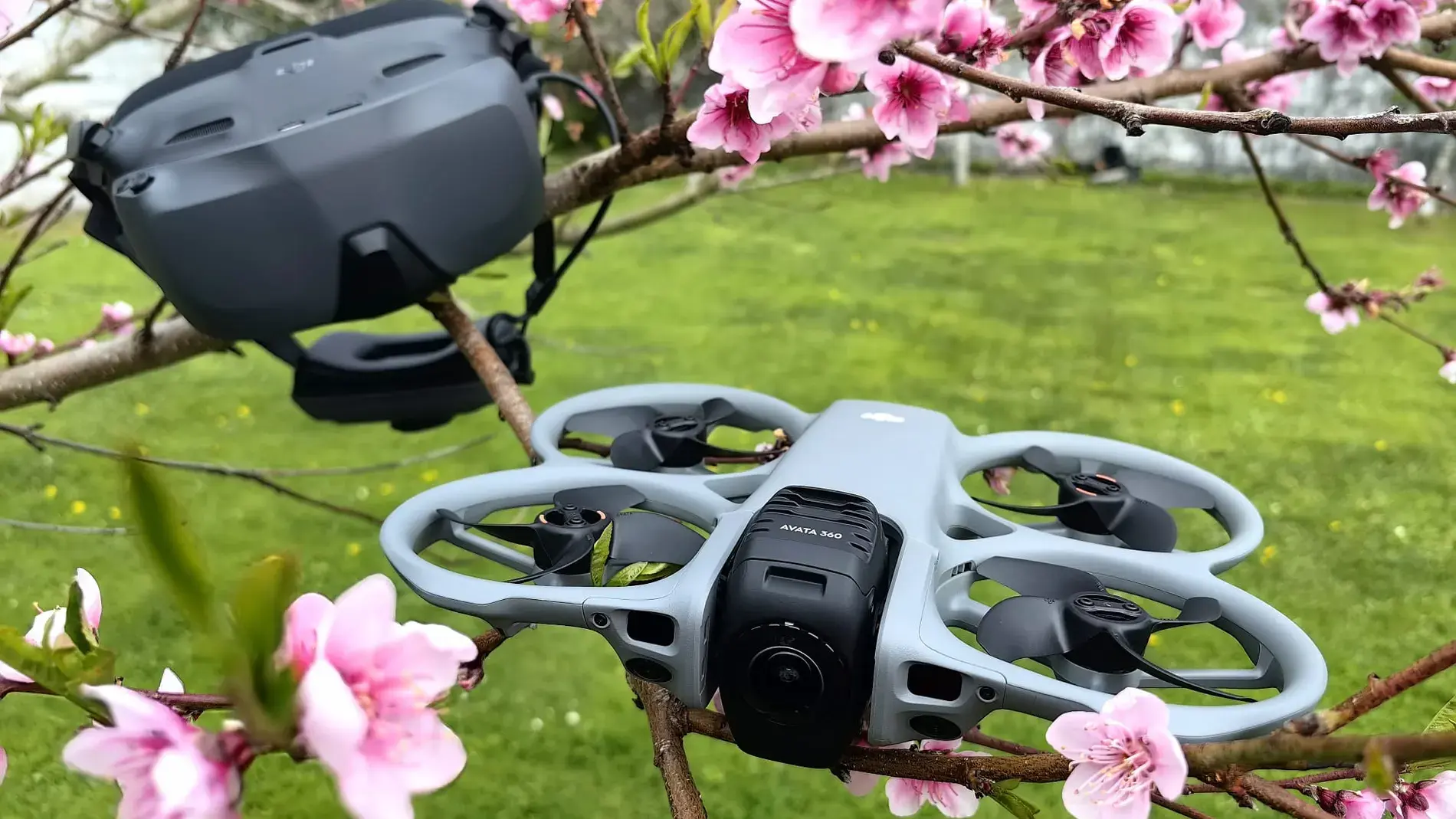
FPV Drone Racing Primer: Tech, Leagues, and Rapid Professionalization
FPV drone racing matured from garage hobby to pro circuits driven by low-latency video, brushless motors, and leagues like MultiGP and DRL.
FPV drone racing moved decisively from backyard meetups to organized professional circuits as technological leaps and league structures aligned to create a spectator sport and viable industry. Low-latency first-person-view goggles and reliable analog and digital video links made goggle-to-goggle racing immersive, while compact, high-thrust brushless motors, better ESCs, lighter frames, and LiPo batteries produced repeatable sub-3-minute high-speed runs that fans can follow lap by lap.
The sport’s competitive backbone developed between roughly 2013 and 2015 when grassroots events scaled into formal races. MultiGP built a global chapter structure with points systems that standardized amateur and pro progression, giving local pilots a pathway to regional and national competition. The Drone Racing League, or DRL, took a broadcast-friendly approach, standardizing machine formats to reduce equipment disparities and create TV-ready spectacles. That professionalization opened revenue streams from broadcast partners, sponsors, and ticketed events while providing manufacturers clearer product-demonstration opportunities.
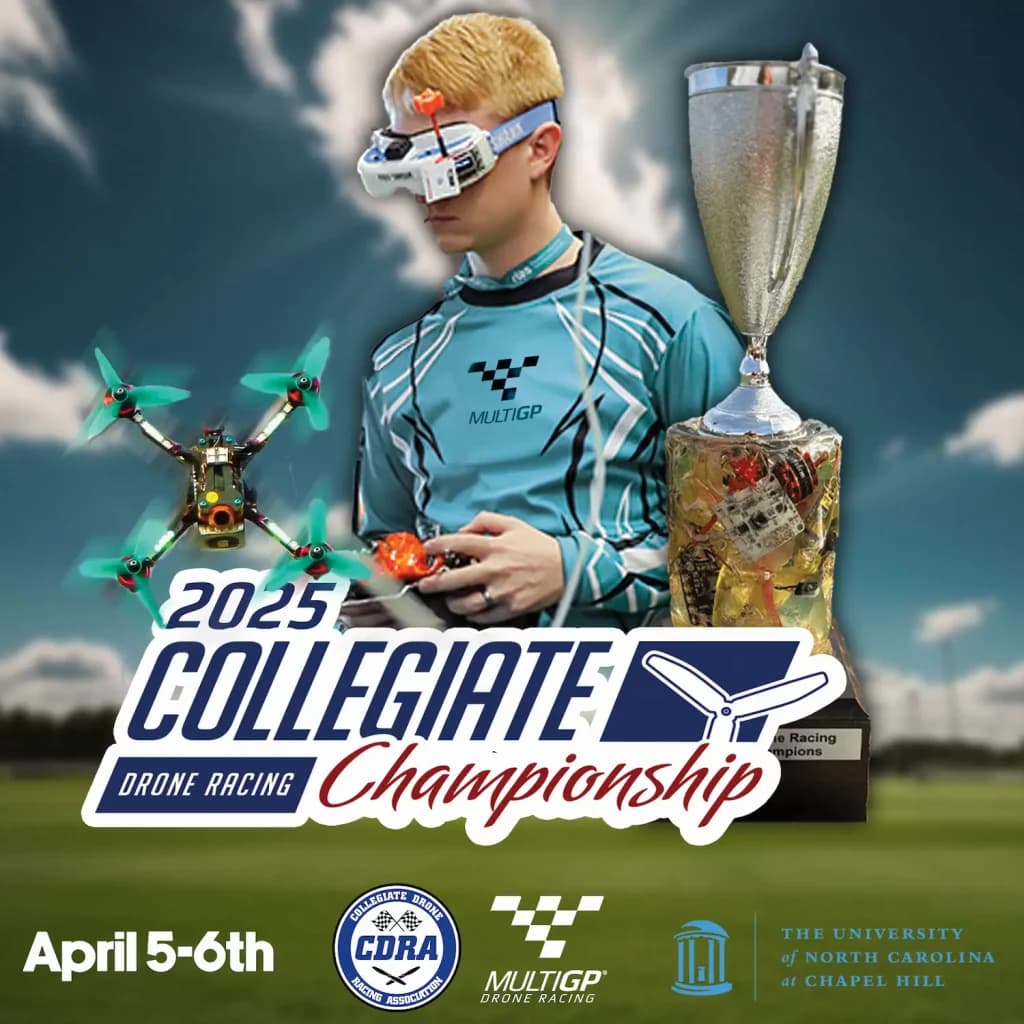
Talent development now runs on multiple rails. Micro-whoop circuits brought flying into gyms and maker spaces, lowering entry barriers with small brushed quads that emphasize pilot timing and gate discipline over expensive gear. Simulators such as VelociDrone and VRL, along with MultiGP eSport series, expanded practice environments and created an eSports-style talent funnel where pilots hone course memory, throttle control, and racecraft before stepping into real-world carbon fiber frames. Collegiate programs and youth initiatives, including CDRA and student competitions, have formalized pipelines into the sport and exposed younger pilots to aerodynamics, control systems, and team operations.
From a business perspective, standardized hardware and predictable formats reduced sponsor risk and helped broadcasters package races with clear narratives and stats. Sim-based competitions create scalable content that complements live shows, enabling franchising and remote participation. For manufacturers, demand shifted toward integrated systems - reliable video transmitters, tunable ESCs, and optimized battery tech - and companies that can deliver consistent, durable kits gained traction as leagues emphasized parity and safety.
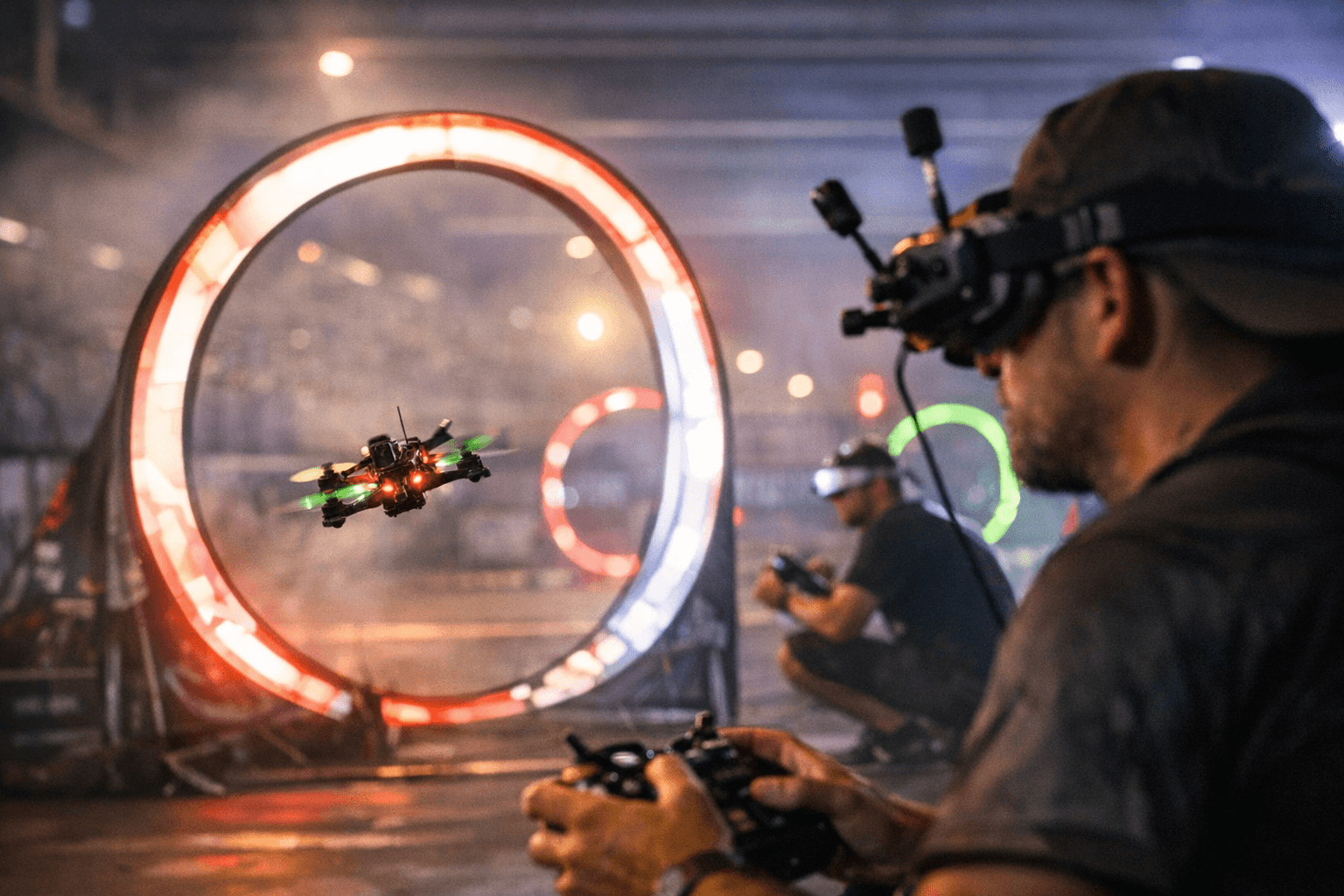
Culturally, the sport retains a DIY maker spirit even as it professionalizes. Local chapter rulesets, volunteer race directors, and community-built courses remain central to pilot development and event authenticity. At the same time, broadcast-style events and mixed-reality or autonomy trials signal a shift toward spectacle and technological innovation that will attract broader audiences and corporate investment.
For pilots, organizers, and fans the key takeaway is clear: practice platforms matter as much as hardware. Pilots who spend hours in simulators, log micro-whoop sessions, and master tuneables in their setups will thrive as leagues continue to tighten equipment parity. What comes next is wider mainstream exposure, deeper commercial partnerships, and continued growth of youth and collegiate programs that will feed the next generation of goggle pilots and engineers.
This article was produced by Prism’s automated news system from verified source data, official records, and press releases, then run through automated quality and moderation checks before publishing. The system is built and supervised by the people who set the standards it runs under. Read our full AI policy.
Did this article answer your question?