FPV Drones Deliver Athlete Perspective, Transform Broadcasting at Milano Cortina Olympics
OBS deployed up to 15 sub-250 gram FPV rigs at Milano Cortina, costing about €15,000 each and needing battery swaps after roughly two athlete runs.
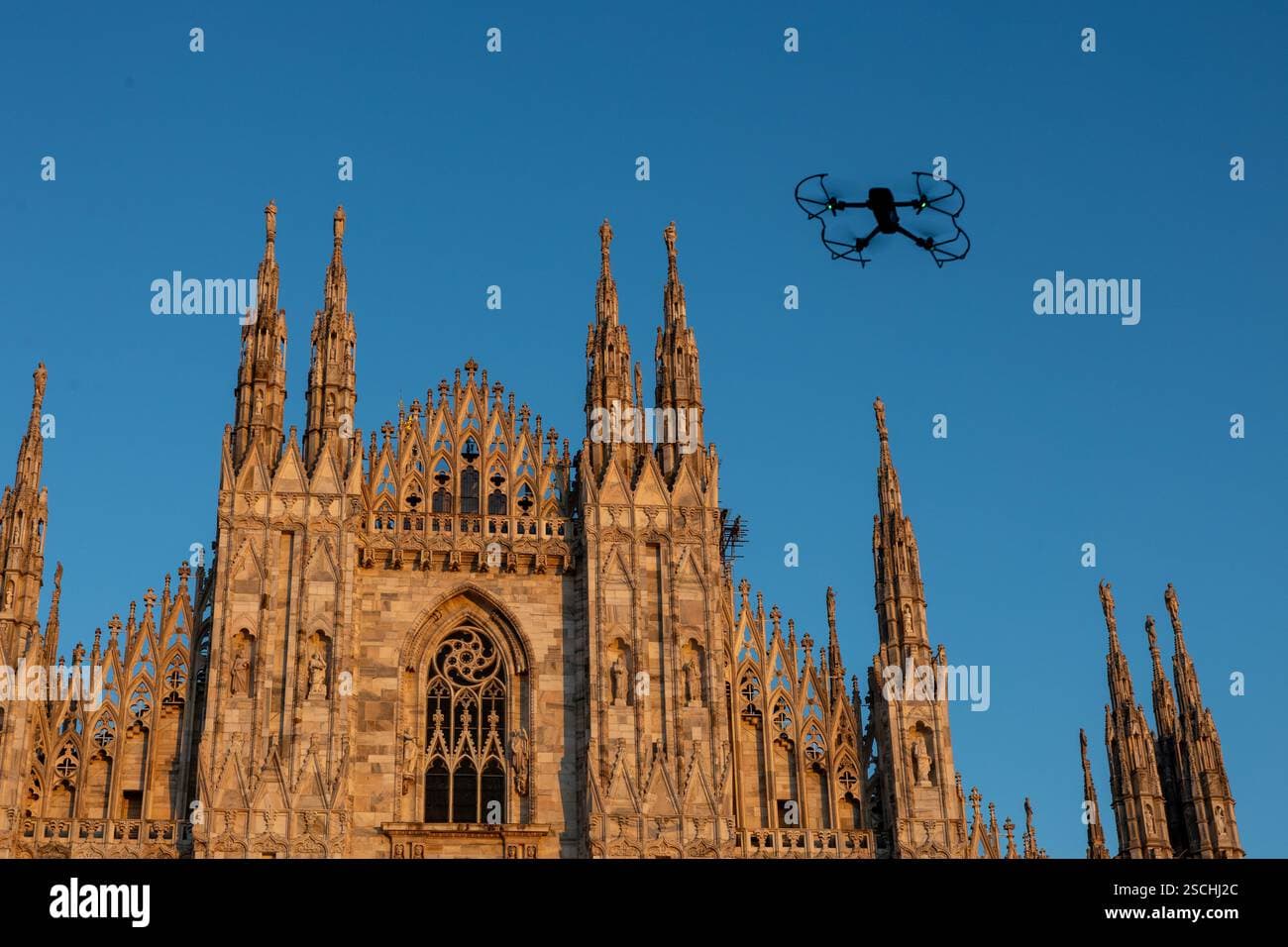
Olympic Broadcasting Services brought up to 15 first-person-view drone teams to Milano Cortina, marking the first FPV deployment at a Winter Games while pairing those sub-250 gram rigs with ten older hovering drones for establishing shots. One YouTube operator said the custom broadcast package is under 250 g, "I think it's 243", and that the build combines a broadcast-quality camera and transmitter with a goggles-mounted camera for the pilot.
Those lightweight rigs are engineered for speed and immediacy: NBC Olympics reported FPV follow-cam footage at up to 75 miles per hour while NewscastStudio described sliding sports where drones follow athletes racing at speeds up to 90 MPH through ice tracks. The cameras ride close to competitors in alpine skiing, luge, bobsled and skeleton, and in ski jumping drones follow the athlete down the in-run and through take-off before separating mid-flight to show body position and distance.
Producers framed the deployment as a way to show what athletes experience. Molly Solomon, executive producer and president of NBC Olympics, said, "The drones are a game changer because it gives you a different perspective. You are sitting on the back of a skier… I think most of all, it’s the speed and the drop. It’s funny, we showed some footage to some of the U.S. alpine skiers this fall, and they said that’s the closest that we’ve ever seen to allowing the viewer to understand what we’re doing." Venues such as Stelvio, Tofane and Anterselva are being filmed with these immersive angles, Wallace said, and "Many of the venues, Stelvio, Tofane, Anterselva, are iconic, almost sacred within their disciplines, having hosted generations of champions."
OBS CEO Yiannis Exarchos emphasized audience reach and sport exposure, saying, "They are what we call in the media, casual viewers" and "This is part of the value and the beauty of the Olympic Games, that it becomes the showcasing of all the sports. So, it's a unique opportunity for athletes and sports beyond the two, three extremely popular and commercial sports to get a larger audience, to get exposure to a larger audience." IOC sports director Pierre Ducrey framed the move as part of production evolution: "We look at this as an evolution of the sport. The expectation today is to have this kind of experience when you consume a sports event, even more so for the Olympic Games... We strive to offer the best viewing experience whether in the stadium or outside."
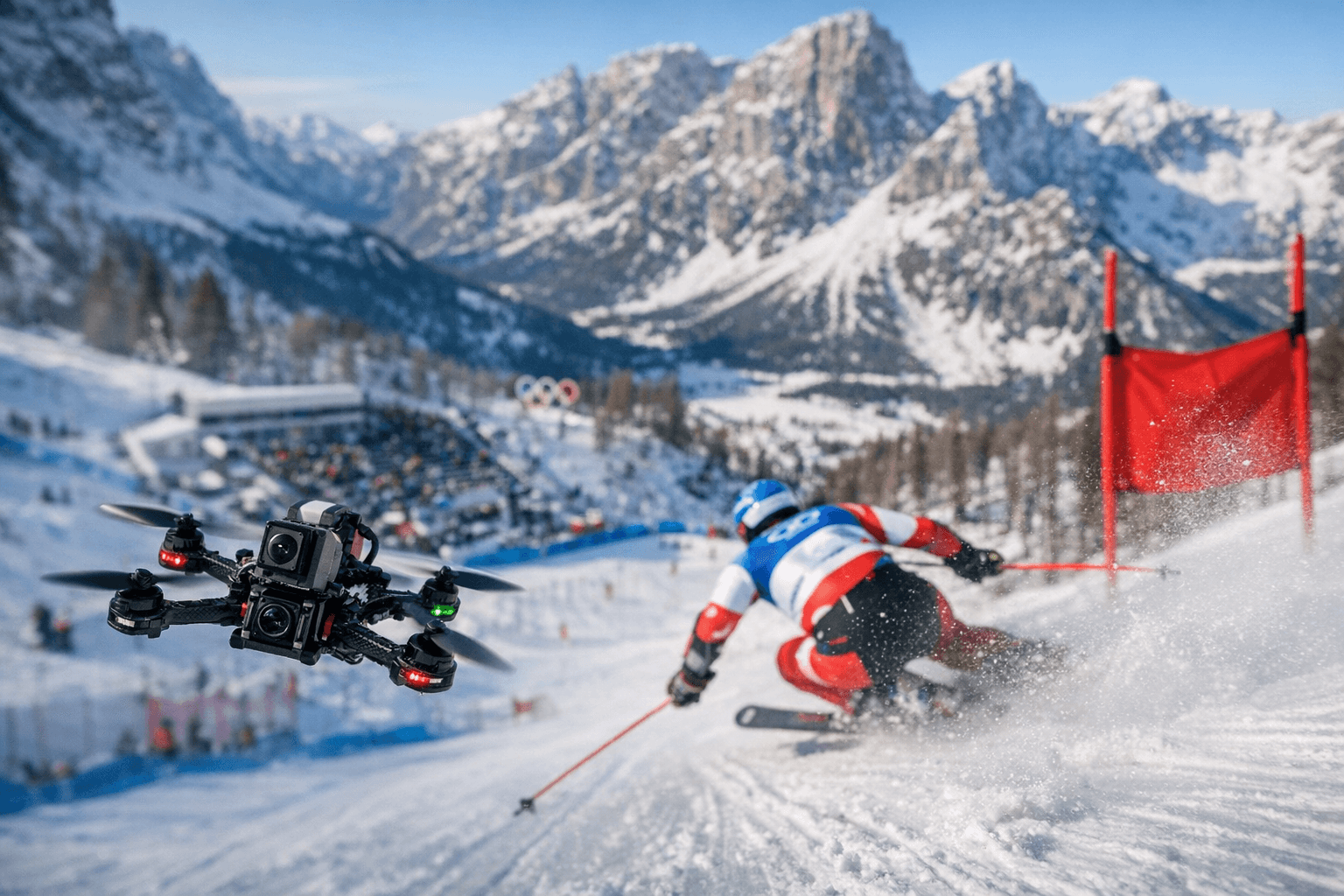
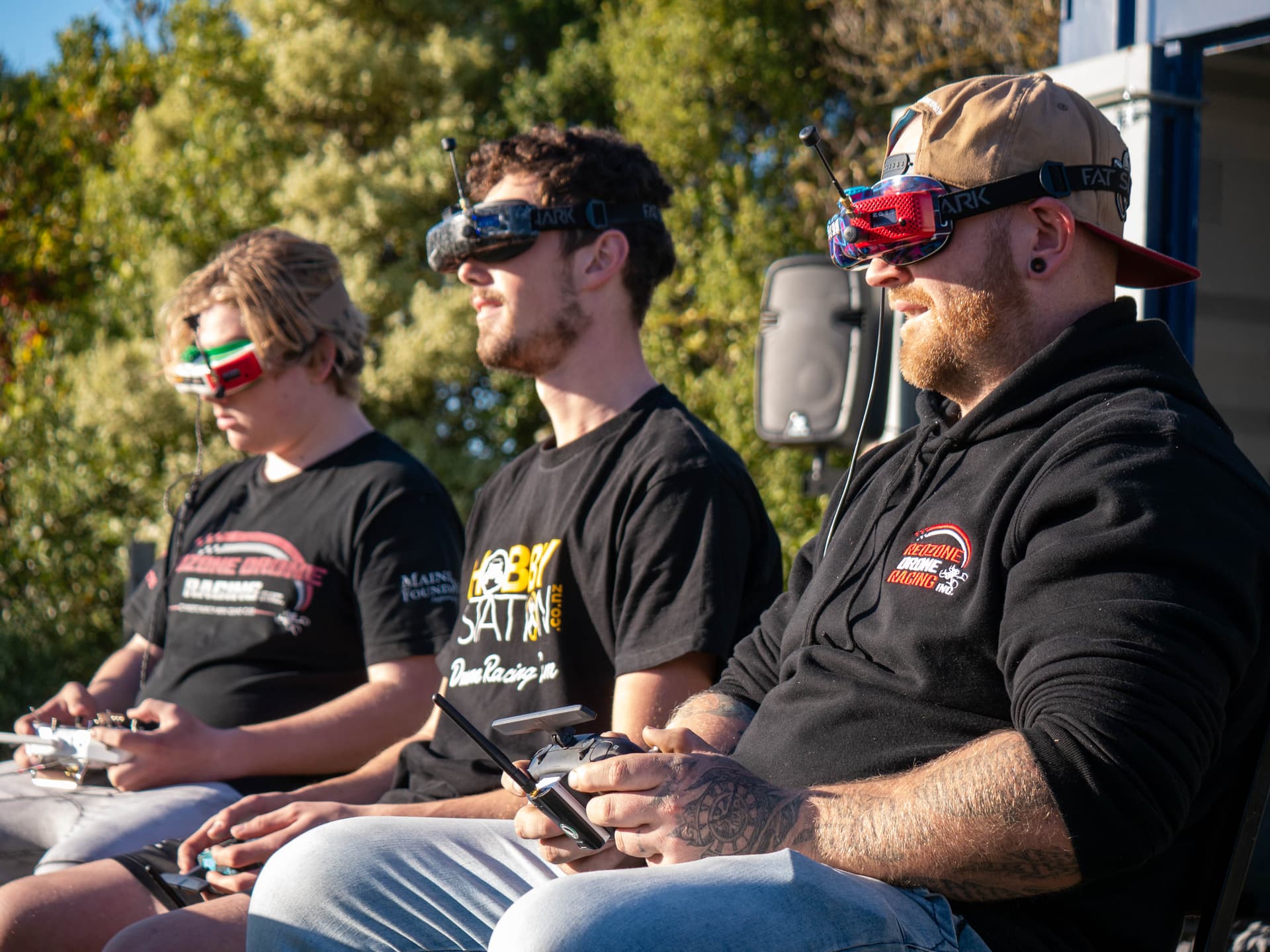
Operational constraints are stark for broadcast crews. Design News reported each 250-gram FPV drone requires battery swaps after covering just two athlete runs, and pilots wear immersive goggles and train extensively in assigned sports. An unnamed operator quoted by PetaPixel warned about adapting on course: "Sometimes when they miss a pole or something, they are not doing the same line and then you have to adapt… I would say that it’s the hardest part of the job. I don’t want to disturb them during the race and on the slalom, you have to be really careful about the pole swinging, so you have to keep an eye and keep a safe distance between the athlete and the drone."
The deployment follows earlier Olympic drone milestones from Sochi 2014 to Paris 2024, when FPV first appeared in mountain biking, and arrives alongside production tools such as Real-Time 360-degree replays and an AI-driven curling stone tracker. Noise complaints have surfaced among some viewers, and broadcasters now face clear business and logistics implications: per-unit costs near €15,000, concentrated pilot training, tight battery logistics and accreditation for 15 FPV teams are reshaping how winter sport coverage is produced and monetized.
Know something we missed? Have a correction or additional information?
Submit a Tip