FPV Popularity Fuels Racing Drones Market to $3.83 Billion by 2030
FPV racing's rise is driving the global racing-drones market to $3.83 billion by 2030, reshaping gear, sponsorships and event planning for fans and teams.
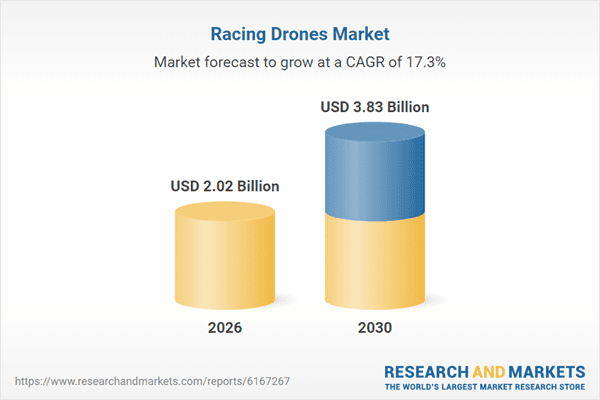
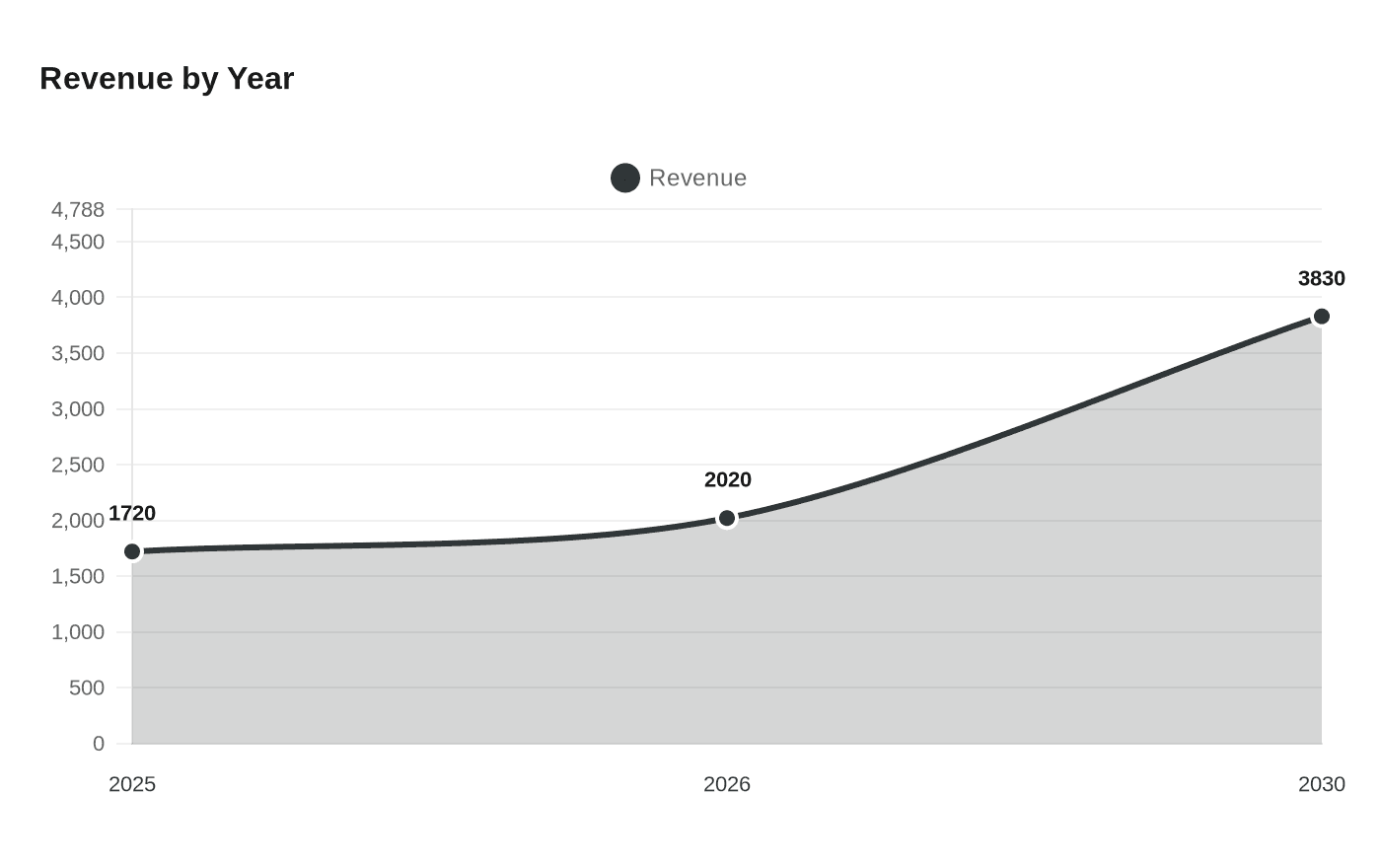
The racing-drones market is poised for rapid expansion, climbing from $1.72 billion in 2025 to about $2.02 billion in 2026 and forecast to reach roughly $3.83 billion by 2030, a compound annual growth rate near 17.3 percent. That jump is rooted in the mainstreaming of first-person-view racing and the convergence of real-world events with esports, a shift that touches pilots, teams, promoters and manufacturers alike.
Performance on the course is changing as a result. Pilots are demanding lighter frames, higher-output motors and higher-capacity LiPo batteries so they can push throttle and punch through tight gates without sacrificing endurance. Equally important for lap-to-lap consistency is the adoption of lower-latency FPV transmission systems - improvements to video links and VTx hardware translate directly into tighter reaction windows and faster, more aggressive flying. Those equipment upgrades also feed a growing repair and tuning economy; local shops and pit crews are seeing more business as teams chase marginal gains in aerodynamics, motor KV tuning and prop selection.

Business trends mirror the sporting evolution. North America remains the largest regional market as of 2025, while Asia-Pacific is the fastest-growing region, signaling where future race calendars and sponsor activations may concentrate. Organizers and team managers are urged to align procurement cycles with equipment lead times, as stronger demand for high-performance components is colliding with shifting international policy and tariffs that have begun to complicate global supply chains. That friction could affect pricing, inventory and the timing of upgrades ahead of the 2026 season.
The cultural impact is equally notable. FPV racing's spectacle and broadcast-friendly format have accelerated sponsorship interest and made pilot personalities more prominent, feeding the athlete-brand loop common in mainstream motorsports and esports. At the grassroots level, the same component-driven growth is creating pathways into STEM and technical trades; repair benches and tuning services are developing into local micro-industries that support events and create jobs.
For fans, pilots and commercial backers, the next few seasons will be defined by hardware arms races and strategic planning. Expect more investment in low-latency links, an influx of higher-spec consumer and pro kits, and a calendar that shifts toward regions with the fastest growth. The competitive consequence is clear: pilots who optimize gear and pit support will gain measurable on-track advantages, and organizers who navigate supply-chain pressures will set the pace for a sport moving even further into the mainstream.
This article was produced by Prism’s automated news system from verified source data, official records, and press releases, then run through automated quality and moderation checks before publishing. The system is built and supervised by the people who set the standards it runs under. Read our full AI policy.
Did this article answer your question?