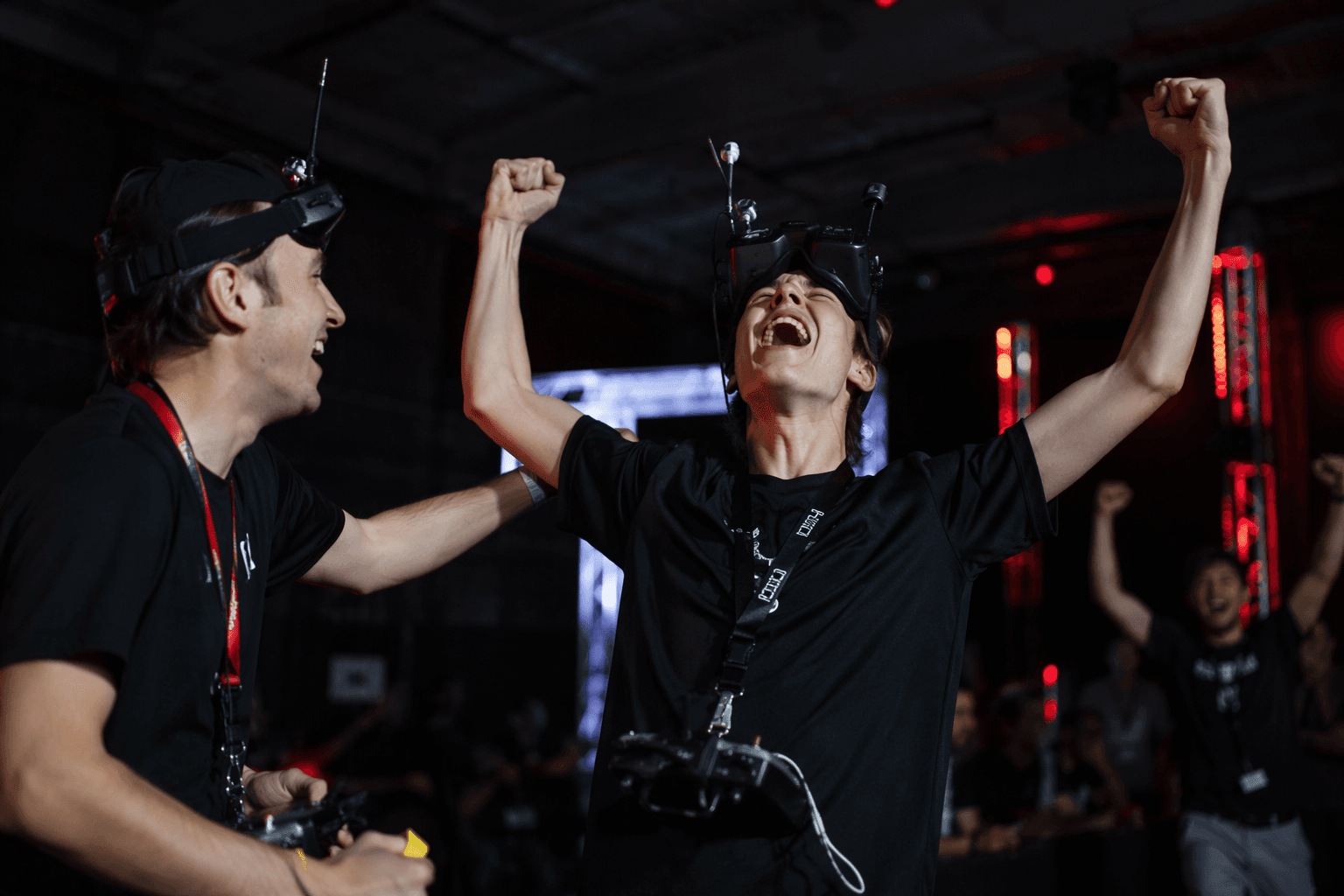
FPV racing powertrain guide targets motors, props and battery balance
The fastest race quads are the ones that stay consistent, not just violent on the first punch-out.
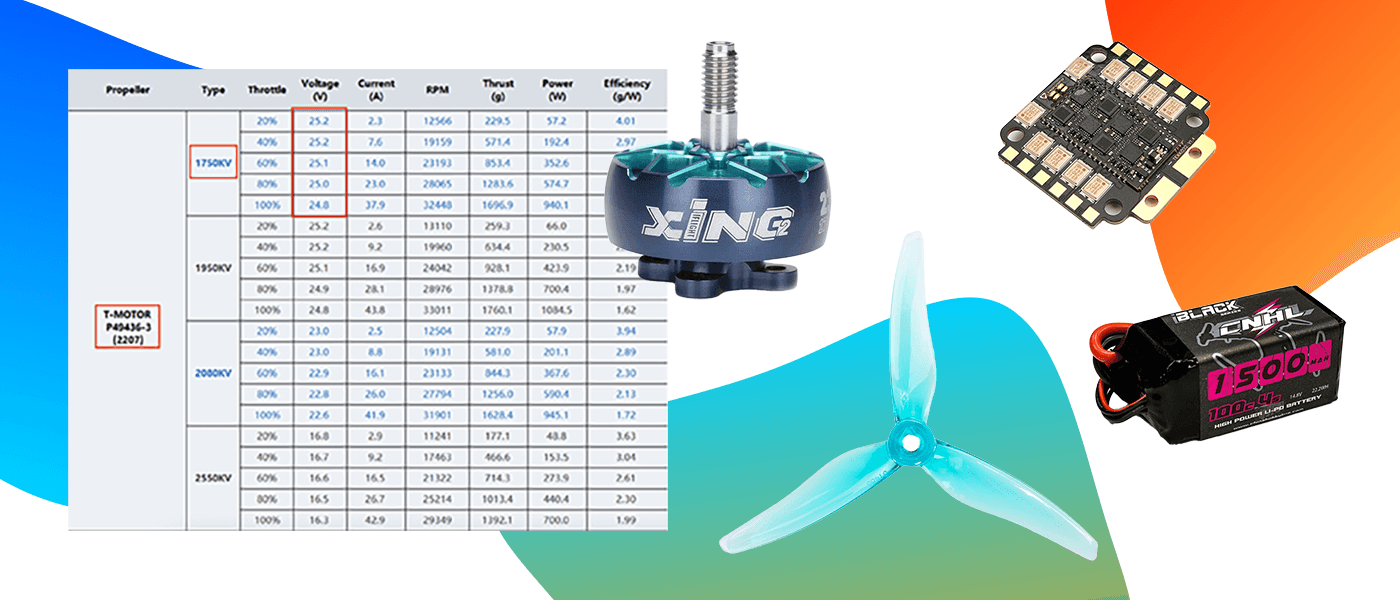
Why matching matters more than raw power
The difference between a quad that feels fast and one that actually wins heats starts long before the first gate. UAVMODEL’s build-planning guide makes the core point plainly: motors, props and battery have to work together, because a setup that looks aggressive on paper can still fly hot, sag hard and lose control feel when the laps pile up.
That is the race-builder’s trap. A mismatched rig may deliver a big first launch, but if the motors run too hot, the battery voltage falls off too sharply, and the prop load is wrong for the motor, the quad stops being predictable. In FPV racing, predictability is the finish line.
What a race-ready feel really looks like
For racers, the goal is not top speed in isolation. It is strong throttle response off the line, tight recovery after a gate correction and enough thermal headroom to survive repeated heats without cooking the electronics or softening the battery under load.
UAVMODEL frames this as a balancing act between punch, efficiency and heat. That matters because every part of the powertrain changes the others: prop choice alters thrust curve and current draw, battery voltage affects sag and responsiveness, and motor selection changes both feel and efficiency. The best race build is not the one with the most intimidating specs; it is the one that keeps the same behavior from the first pack to the last.
Battery sag is the hidden lap killer
A LiPo battery does not deliver perfect voltage all the way through a pack. UAVMODEL explains that every LiPo has internal resistance, so when motors demand a burst of current, the voltage delivered to the ESCs drops temporarily before recovering once throttle comes back down.
That sag is why a quad can feel sharp on the bench and dull in a heat. The practical effects are easy to recognize: weaker punch-outs, early low-voltage warnings and reduced top-end power. For a racer trying to keep pace through a full session, that loss of response is often the difference between clean gate entries and a lap that starts slipping apart.
How Betaflight keeps the feel consistent
The software layer matters just as much as the hardware. Betaflight, which describes itself as the world’s leading multirotor flight-control software for the FPV drone racing and freestyle community, includes VBat Sag Compensation specifically to keep motor response consistent across the battery’s flyable voltage range.
Its documentation says the feature slightly reduces peak motor output at high voltage and increases output as sag comes into play. That trade-off mirrors the same race logic the build guide emphasizes: a quad that feels balanced over the full battery curve is more useful than one that spikes hard at the beginning and fades when the pack gets worked. Consistency is not glamorous, but it is what lets a pilot attack lap after lap without the quad changing personality mid-heat.
Racing, freestyle and long-range are not asking for the same thing
The guide also draws a useful line between disciplines. Freestyle pilots can live with different compromises, while long-range builds chase another efficiency profile entirely. Racing is narrower and harsher: the setup has to launch hard, recover quickly and stay thermally stable through repeated runs.
That is why freestyle-biased combinations can disappoint on the race track. A setup tuned for dramatic punch or loose handling may feel exciting in open air, but if it burns current too quickly or loads the motor and prop combination inefficiently, it will cost consistency where racing is decided. For beginners and collegiate pilots trying to get through local events reliably, the smarter investment is the setup that holds its behavior under pressure rather than the one that looks strongest in a spec sheet.
The parts have to be chosen as a system
Manufacturers reinforce the same lesson. EMAX says its RSIII brushless motor series is built for racing, performance and weight, and can be configured up to 2100KV on 6S. The company’s broader power-system guidance also stresses pairing motors and propellers as a system rather than treating them as independent purchases.
T-Motor makes the same argument in its motor and propeller matching guide, saying proper matching is essential for thrust, efficiency and reliability. Its framing is straightforward: KV and prop size are interdependent choices, not separate shopping decisions. That is the real lesson for a new racer assembling a first serious quad, or for a collegiate pilot trying to move from practice builds to something that can survive an actual points race.
Why this matters in the sport’s wider pathway
Drone racing has grown far beyond casual field meets. The Fédération Aéronautique Internationale says the first Drone Racing World Cup season came in 2016, and its results page for that year lists 229 competitors from 17 countries. The same federation says the 2024 World Drone Racing Championship was scheduled for Hangzhou, China, from October 31 to November 3, 2024, and that drone racing featured again at The World Games in Chengdu from August 13 to 16, 2025.
That progression explains why setup quality has become so important. As the sport has moved from hobby circles into organized international competition, the margin for guesswork has shrunk. A quad built for racing now has to do more than fly fast for one highlight lap; it has to stay repeatable across heats, survive the heat load and give the pilot a clean, trustworthy throttle curve when the course gets tight.
The build rule that separates powerful from race-ready
The simplest way to think about the powertrain is this: if the motors, props and battery are fighting each other, the quad will show it immediately in sag, heat and lost control feel. If they are matched well, the entire machine feels calmer, faster and easier to place.
That is why the most competitive builds are rarely the loudest on paper. They are the ones engineered for consistency across the battery’s usable range, where motor KV, prop loading, pack voltage and flight-controller behavior all line up. In FPV racing, that is what gets a pilot from a fast-looking build to a quad that is truly ready for the clock.
This article was produced by Prism’s automated news system from verified source data, official records, and press releases, then run through automated quality and moderation checks before publishing. The system is built and supervised by the people who set the standards it runs under. Read our full AI policy.
Did this article answer your question?