Green Berets Master Drone Building, Repair, and Field Operations at Fort Carson
Green Berets completed a three-week drone course at Fort Carson, learning to solder, build, and repair UAS without supply chains or tech support.
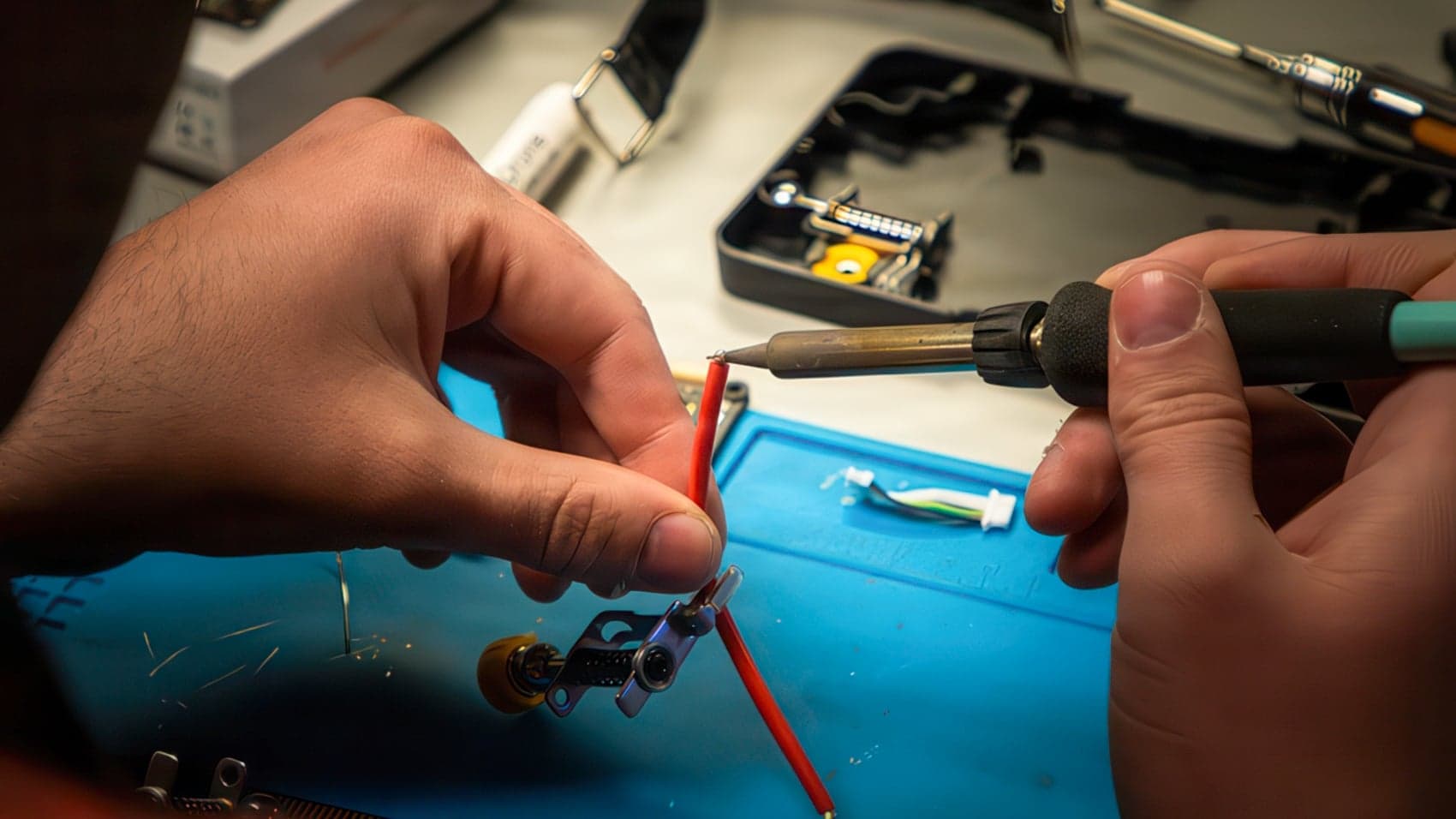
When tumbleweeds and debris were whipping across the tactical ranges at Fort Carson in February, the drones kept flying. That was the point.
Green Berets from the 10th Special Forces Group (Airborne) finished a three-week Advanced Drone Course from February 9 through February 27, coming away with skills that go well beyond operating a controller. Instructors from 4th Battalion, 10th Special Forces Group ran the program, which covered soldering, assembly, programming, piloting, pre-flight inspection, and field maintenance of small unmanned aerial systems. One soldier from the 4th Infantry Division trained alongside the Special Forces cohort.
The curriculum was built around a specific operational reality: graduates need to maintain and repair their systems in austere environments, defined in course reporting as "without a supply chain, without a tech support line, and without the option to wait." That framing separates this course from conventional UAS operator training, which typically treats flight proficiency and technical maintenance as distinct skills. Here they were stacked together intentionally.
Colorado in February was not an accident. High winds, swirling gusts, and tumbleweeds on the range replicated the kind of degraded conditions operators encounter in the field. Drones continued flying through it. The Army's own documentation of the course captures the moment directly: a tactical drone maneuvering "steadily through the sky, locked on course and unmoved by the elements."
The strategic rationale behind the course was spelled out by Sgt. 1st Class Jovani Vasquez of the 4th Combat Aviation Brigade. "Adversaries already know what drones can do," Vasquez said. "Enemy forces and terrorist organizations are actively using this technology. The training is not about getting ahead of a future threat. It is about keeping pace with a present one."
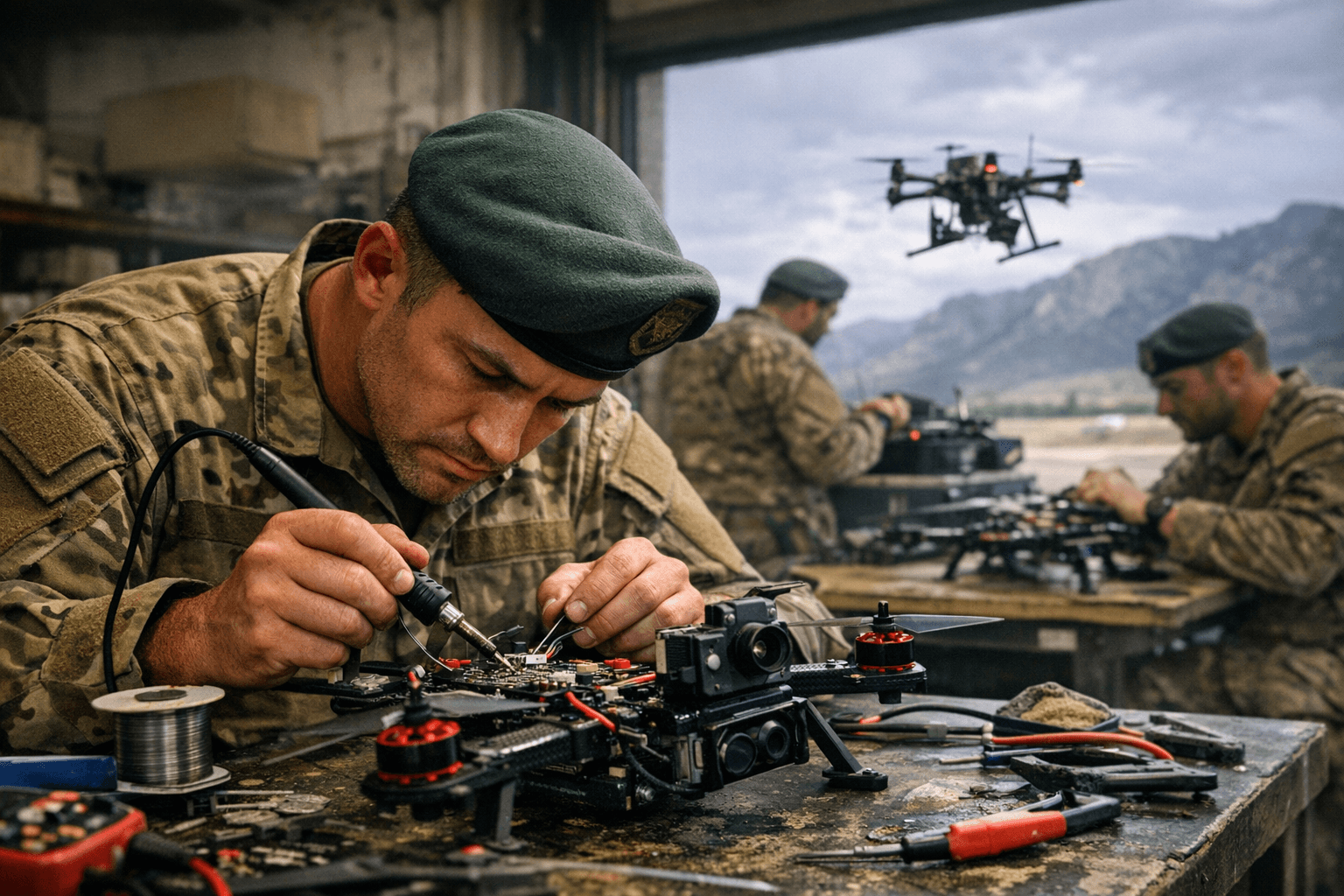
Course instructors from 4th Battalion drew a comparison between drone proficiency and M4 rifle proficiency, framing small UAS competency as something every operator should own at the individual level, not something managed by a separate technical element. The Army's official reporting described the Advanced Drone Course as designed to "expand operational capabilities and enhance small unmanned aerial system employment across the modern battlefield."
Beyond basic flight operations, the course integrated tactical employment: reconnaissance, precision targeting in contested environments, and drone employment in support of Next Generation Command and Control systems during large-scale combat operations. Graduates are expected to embed that capability directly into their teams rather than calling on external UAS support.
The Army's writeup by Sgt. Zachary Myers, published March 8, documented exercises from across the full three weeks and included imagery from February 19 showing operators conducting live sUAS operations on Fort Carson's ranges. Additional photographs by Sgt. Christian Dela Cruz captured a Green Beret engaging a target during the course's final drone strike evaluation.
The 10th Special Forces Group's push to build this depth of technical competency at the team level reflects a broader shift in how special operations forces are approaching unmanned systems: not as a supporting asset requested from above, but as organic capability that lives and operates within the team itself.
Know something we missed? Have a correction or additional information?
Submit a Tip