How Pilots Progress From Local Chapters to Pro Drone Racing
MultiGP chapters are the standard gateway, nail chapter races, advance through regional qualifiers and national championships, then get noticed by pro leagues like DRL or DCL.

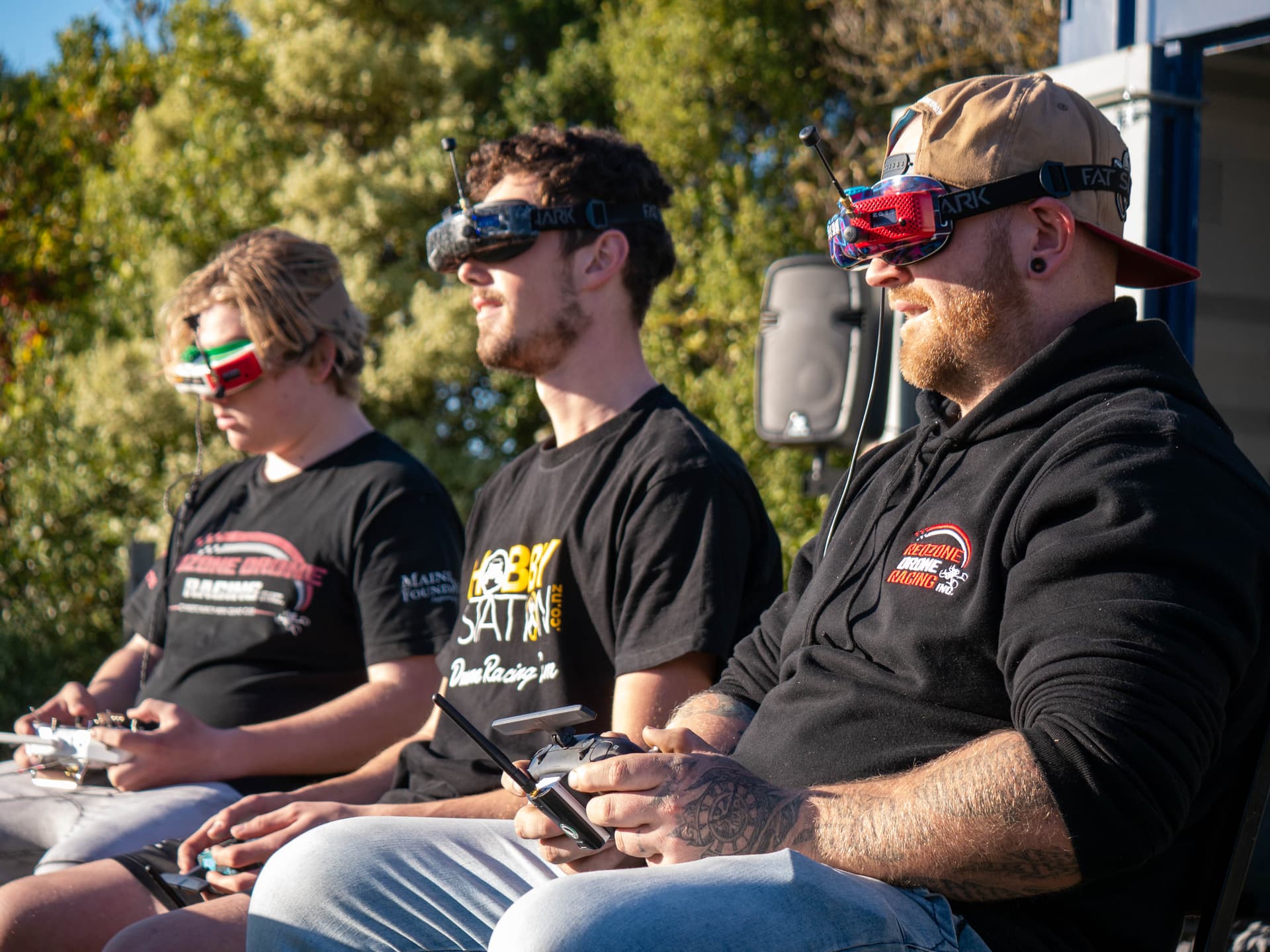
MultiGP chapters are the common entry point for aspiring pros; they teach race protocol, timing, and how to survive a heat. FPVDroneGuide’s mapping of pilot pathways shows most progression follows a predictable ladder: chapter races → regional qualifiers → national/pro classes → pro circuits and international events.
1. Join a local chapter and learn standardized race procedure
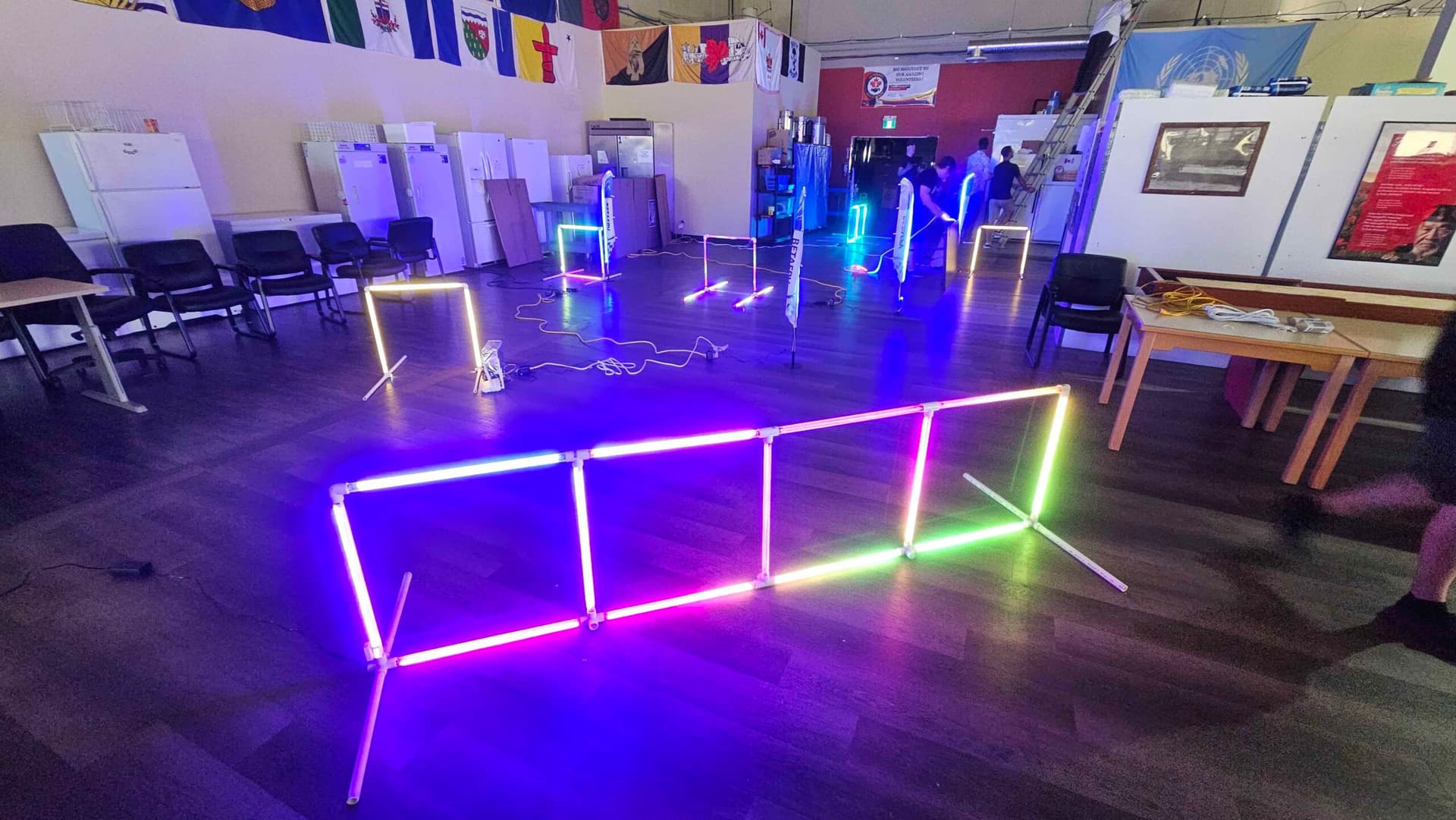
Local chapters are where you get the essentials: gate discipline, timing, and consistent run structure. Chapter races use standardized formats and timing systems, so competing regularly trims errors that cost pilots seconds in qualifying. This stage is also where pilots build a reputation among organizers and peers, the single most repeatable signal scouts and team managers watch when reviewing tapes or results.
2. Put in focused practice and sim work to convert hours into speed
Practice without structure produces plateaus; targeted drills move lap times. Pilots typically run specific gate-approach drills, throttle control sessions, and start-line reaction practices in both sim and real-life sessions to shave tenths per lap. Good pilots log sessions with clear goals (top-speed runs, endurance packs) and use flight data to track steady improvements that show up in chapter result sheets.
3. Race weekend strategy: treat chapters like qualifiers
Approach chapter rounds as qualifying stages: consistency across heats matters more than one hot lap. Championship-style scoring and heat advancement mean pilots who finish steady in the top 5 of every heat advance more reliably than those who swing wildly between first and 20th. Organizers and regional directors note that pilots who can string together clean heats under traffic conditions are the ones who transition successfully to regional events.
4. Enter regional qualifiers and understand the points ladder
Regional qualifiers are where local dominance is tested against a broader field; expect deeper heats and stricter gate setups. These events often use the same match format as national qualifiers, and advancement requires both speed and heat-management: avoiding DQs, managing battery strategy, and running consistent gate lines. Success at regionals produces ranking points or a berth to national championships, and those metrics are what professional scouts parse.
5. Compete at national championships or Pro Class events to earn visibility
National championships and Pro Class races are the litmus test for pro readiness: live timing, broadcast feeds, and standardized judging expose weaknesses. A standout run here, clean finals, multi-heat consistency, or a last-lap pass, is the kind of footage teams and pro leagues replay when scouting talent. Pro circuits look for pilots who can handle travel, varied course builds, and the pressure of broadcasted races.
6. Use combiners, tryouts, and league-specific pathways to get signed
Professional leagues operate different intake systems: combines, team drafts, and invitational tryouts. Pilots who have compiled a portfolio of consistent national-level finishes, clean broadcast runs, and adaptable flight styles get invited to DRL combines or DCL tryouts. If you lack an invite, targeted submission reels that highlight consistency across gate-heavy and flow-based courses are the alternative route.
7. Negotiate the shift: sponsorships, gear budgets, and travel logistics
Moving to pro racing means turning flying into a semi-professional operation: gear redundancy, travel funds, and sponsor deliverables. Teams evaluate not just lap times but your profile, content ability, reliability, and travel readiness, because a contracted pilot must perform on-track and meet off-track obligations. Successful pilots draft a simple budget showing spare quads, battery counts, and travel costs so teams can assess the true cost of adding them to a roster.
8. Maintain and grow performance once you’re on the pro circuit
Pro pilots keep improving by treating races as data cycles: race, debrief, iterate. Use practice windows to tune for course specifics, analyze telemetry after every final, and maintain a consistent pre-race routine to control variables. The most durable pros also mentor chapter pilots or stream practice sessions, which rebuilds the talent pipeline and keeps them sharp.
- Record every final and heat; broadcast-ready footage accelerates invitations.
- Prioritize redundancy: two complete race quads and a rotation of 10–12 batteries reduces race-day failures.
- Build relationships with chapter directors and regional organizers, they control qualifier slots and can vouch for your racecraft.
Practical tips every pilot should use now
Final take: the ladder from a chapter Schroeder to a pro contract is straightforward but unforgiving, it rewards repetition, consistency, and clean racecraft more than raw audacity. If you want to make the jump, treat chapter races as the qualifying rounds they are, collect clean runs at regionals and nationals, and package those performances into a professional reel; teams and pro leagues are watching the tape, not the hype.
Know something we missed? Have a correction or additional information?
Submit a Tip