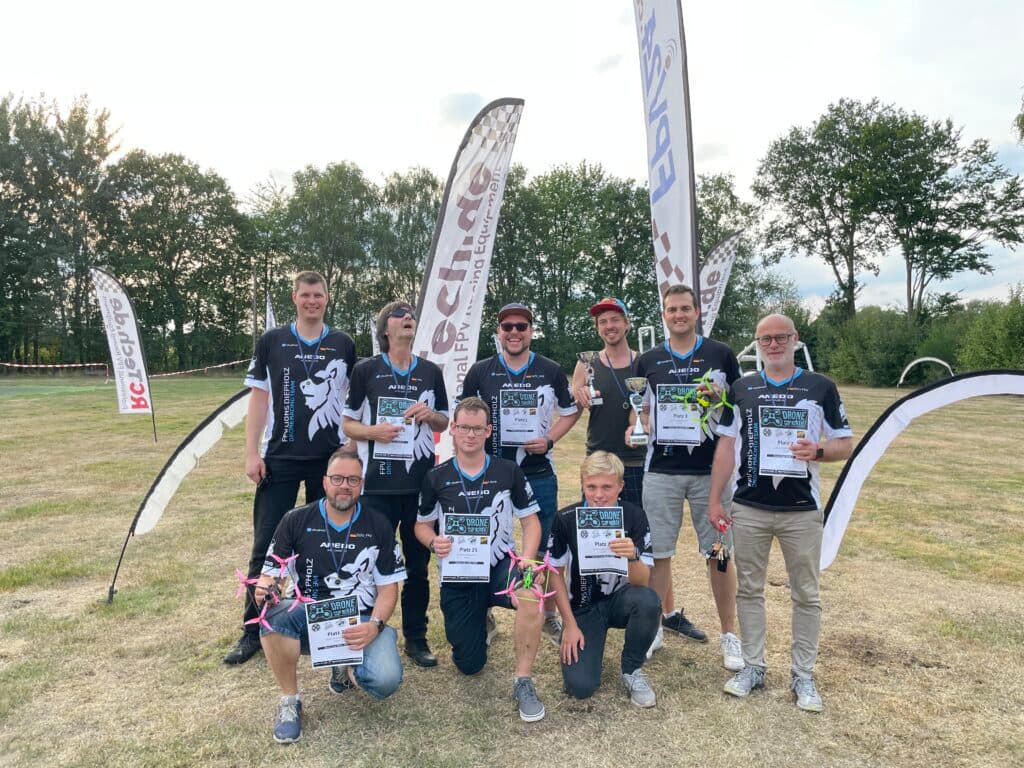
How to build a racing drone and why 5-inch frames dominate
A first build does more than get you airborne: it teaches speed, tuning, and crash repair, which is why 5-inch frames still set the standard.
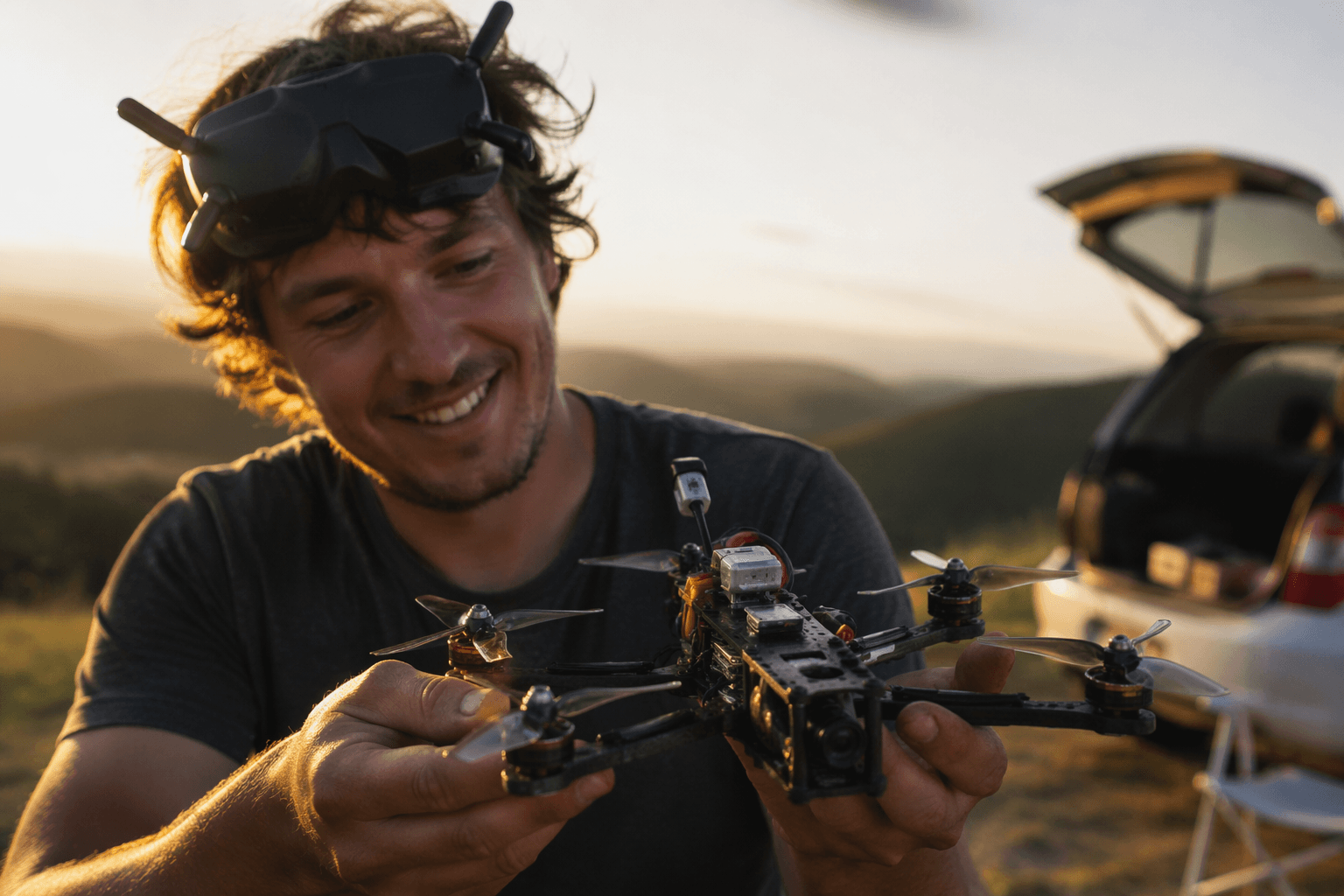
The 5-inch frame has become the default language of modern FPV racing: it is fast enough to matter, predictable enough to learn on, and common enough that parts are always within reach. The first build is where lap time, control feel, and crash survivability are decided, because every part you touch changes how the quad accelerates, corners, and survives the next impact.
Why the first build matters
Building the drone is the fastest way to understand what actually affects performance. A new pilot who learns the frame, motors, flight controller, ESCs, props, battery, and radio link starts to see the quad as a system instead of a mystery box, and that makes tuning and repairs far less intimidating after the first crash. FPV racing rewards that knowledge immediately, because a drone that is easy to service spends more time on the track and less time on the bench.
The build process also shortens the path from simulator practice to real competition. Once you can wire a craft, bind it to your radio, set it up in Betaflight, and inspect it after a hit, you are no longer dependent on someone else to keep you race-ready. In a sport where mistakes are measured in broken props, bent arms, and loose connectors, you are no longer dependent on someone else to keep you race-ready.
Why 5-inch frames dominate the sport
The 5-inch class remains the benchmark because it balances speed, control, and parts availability. MultiGP's Open Class is the 5-inch standard and the premier mainstream class of drone racing. That size shapes race-day expectations across leagues, from spare-part bins to tuning profiles to what beginners buy first.
MultiGP has more than 30,000 registered pilots and 500 active chapters worldwide, so the 5-inch build is a shared platform across a massive racing network. Pilots can compare setups more easily, local clubs can stock parts that actually get used, and racers can move between events without reinventing their entire setup.
Five33's motors and frames are some of the most popular in 5-inch FPV racing today. In a performance class, that shapes what parts are most visible at the track and what hardware new racers see on fast, proven builds.
The parts that change lap times
The frame and motors do the heavy lifting, but propellers and battery choice shape the feel of every corner. A lighter, well-matched setup responds more cleanly to throttle changes, while a mismatched build can feel sluggish, twitchy, or fragile long before the pilot blames the tuning. Compatibility is the difference between a quad that feels locked in and one that never settles down.
The basic build stack is straightforward: frame, motors, flight controller, ESCs, propellers, battery, radio link, and the tools needed to assemble and flash firmware. Each component has to match voltage, mounting, and signal requirements, because a motor that looks right on paper can still fail the build if the power system or mounting pattern does not line up. In racing, that kind of mismatch costs more than money, because it costs track time.
Frame, motors, and propellers
The frame sets the platform, but the motors and props determine how aggressively the drone can punch out of a turn or recover after a dive. Experienced builders spend as much time thinking about repairability as they do about raw thrust, because a bent arm or cracked plate is only a serious problem if it takes the whole quad out of service. A smart first build favors parts that are strong, available, and easy to replace between heats.
Flight controller, ESCs, and radio link
The electronics stack is where the drone becomes raceable. The flight controller and ESCs have to talk cleanly to each other, and the radio link has to stay reliable under pressure, because even a tiny signal or configuration error can show up as noise in the air. If the electronics are stable, tuning becomes a performance choice instead of a troubleshooting session.
Betaflight turns setup into a skill
Betaflight is the flight-control software used across FPV drone racing and freestyle, and it is built around setup and tuning rather than fixed factory behavior. Betaflight's setup guide assumes some basic RC knowledge, including soldering and transmitter operation.
Betaflight separates behavior into profiles. Its PID tuning guides and rate setup tools let you save multiple configurations for different scenarios, so the same quad can be adjusted for a calmer practice feel or a sharper race setup.
Rules, safety, and the real cost of crashes
The Federal Aviation Administration includes drone racers in its rules and safety guidance, and drones that are required to be registered or already registered must comply with Remote ID. A first build has to fit the wider U.S. safety framework as well as the local club scene. MultiGP publishes a rule book, safety regulations, and a competition airworthiness waiver.
Crashes are part of the sport, and FPV drones crash a lot, so pilots eventually need to learn repairs. Repairability belongs in the first-build conversation. A durable, easy-to-service quad keeps a pilot learning, practicing, and entering heats instead of waiting for a replacement order.
This article was produced by Prism’s automated news system from verified source data, official records, and press releases, then run through automated quality and moderation checks before publishing. The system is built and supervised by the people who set the standards it runs under. Read our full AI policy.
Know something we missed? Have a correction or additional information?
Submit a Tip