How to Choose FPV Racing Goggles in 2026: Latency, FOV, Compatibility
FPV goggles decide your latency floor, FOV and what video systems you can use, DJI delivers headline range (Goggles 3 + O4: ~26 km), but analog remains a low‑cost, low‑delay fallback.
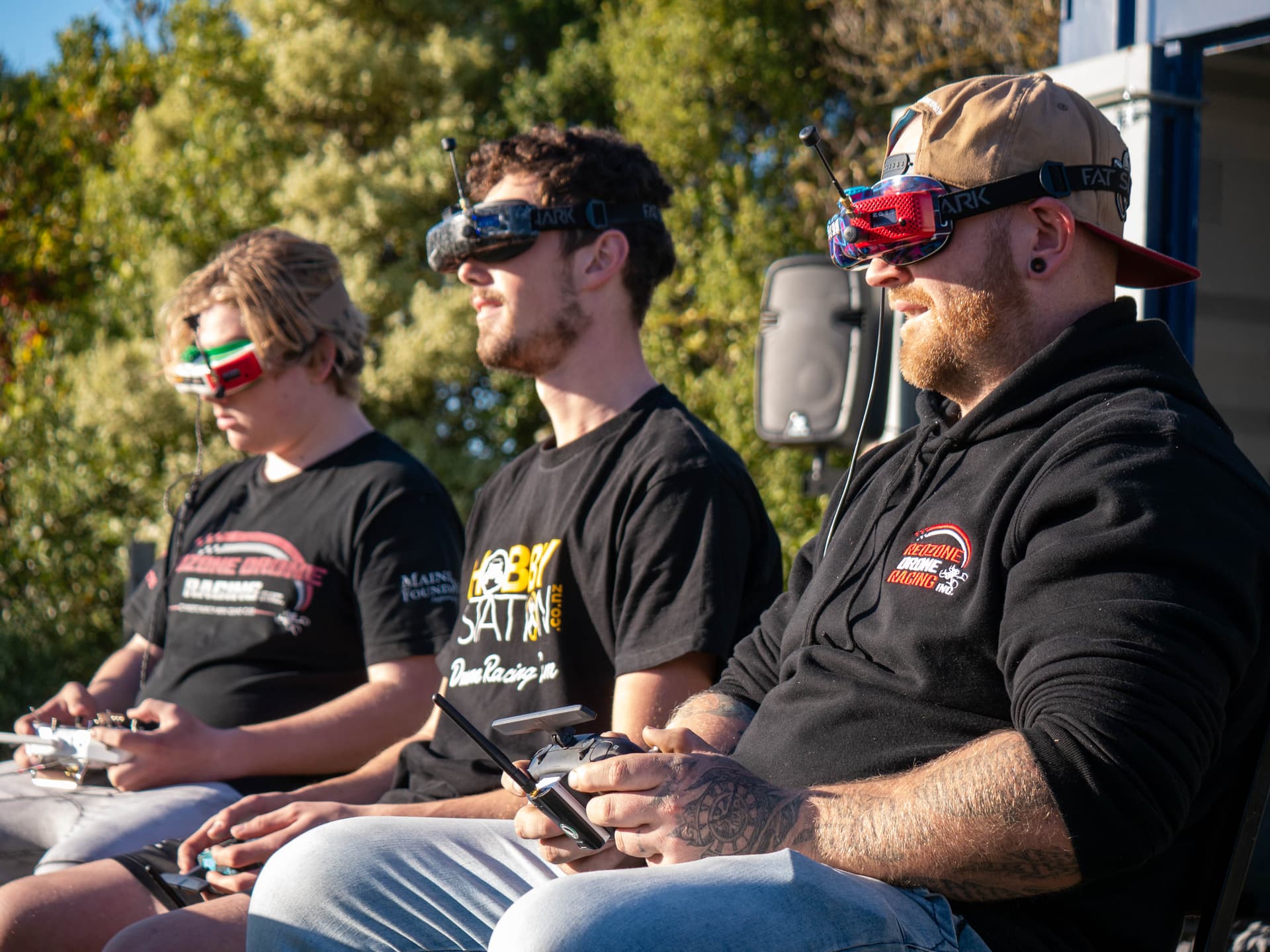
FPV goggles are one of the single biggest equipment decisions a racer makes, they determine the pilot’s field of view, latency floor, comfort for multi‑hour practice sessions, and what video systems the pilot can actually use at an event.
- Prioritize low‑latency digital video transmission, high‑resolution displays (1080p/HD), and compatibility with your drone’s video system (DJI, Walksnail, or analog), as Sportssurge recommends.
- Check comfort features (adjustable straps, padding), target a field of view of at least 30° for immersion, and verify compatibility before you buy, per Oreateai’s ergonomics guidance.
- Map your use case: racing (speed/minimal latency), freestyle/cinematic (clarity and dynamic range), or beginner/RTF (box goggles and plug‑and‑play systems).
Quick decision framework
1. Latency: why it’s the control-room metric
Latency sets the responsiveness ceiling for everything you fly; low latency equals cleaner inputs and fewer surprises in tight turns. Sportssurge tells pilots to “prioritize low‑latency digital video transmission,” arguing that modern digital systems can deliver both clarity and competitive responsiveness for intermediate and advanced pilots. That said, sources also emphasize analog’s advantage: analog has “minimal processing delay,” which is why many racers, especially budget‑minded competitors, still prize analog for raw responsiveness. The supplied reporting contains no millisecond figures, so use this as a qualitative tradeoff: digital for clarity and stability, analog for the simplest, lowest‑processing signal path.
2. Field of view (FOV): immersion versus clarity
Field of view controls how much of the course you see at once; Oreateai recommends looking for at least 30° FOV for an engaging experience. Wider FOVs increase immersion but can reduce perceived sharpness at the edges; pair your desired FOV with higher-resolution displays (Sportssurge names “1080p or HD” as a target) to preserve critical detail when threading gates. Examples: Fat Shark HDO2 are cited for “stunning OLED displays,” while box digital models like the Emax Transporter 2 HD use a 4.5″ 720p 60Hz TFT, good for beginners and RTF kits but lower resolution than many low‑profile digital goggles.
3. Compatibility: match goggles to your VTX eco‑system
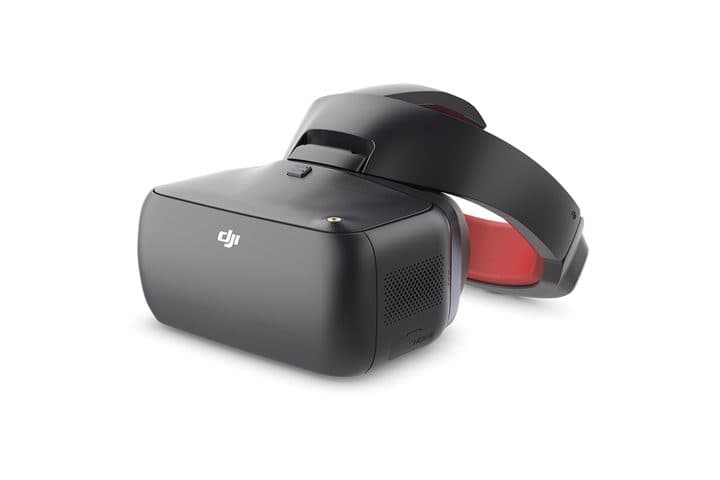
“You need FPV goggles that work with the video transmission system / VTX in the drone you’re using,” the notes warn, compatibility is non‑negotiable at events. Digital ecosystems: DJI (Goggles N3, Goggles 3, Goggles V1/V2 and O3/O4 Air Units), Walksnail (Avatar Pro and XDream‑compatible gear), and HDZero (Emax Transporter 2 HD, HDZero VTX) dominate examples in the sources. Sportssurge states that “digital systems encode video data before transmission, resulting in sharper images, greater range, and enhanced signal stability,” and Oscarliang ranks DJI first in penetration/interference handling, with Walksnail in second place. The supplied range claims underline the compatibility premium: “Goggles 3 + O4 Air Unit: ~26 km,” “Goggles 2 + O3 Air Unit: ~23 km,” “Goggles 2 + Caddx Vista / FPV Air Unit: ~23 km,” and “Goggles V1/V2 + Caddx Vista / FPV Air Unit: ~13 km.” Note HDZero’s technical cap: its most powerful VTX is limited to 1W, while analog VTXs can be found at 2.5W, 5W, or even 10W (though higher power “may not be legal in many regions”).
- Box goggles: usually cheaper, common in RTF kits; Emax Transporter 2 HD is a digital box example with a 4.5″ 720p 60Hz TFT display. Good for beginners or quick, low‑cost setups.
- Low‑profile digital goggles: higher per‑eye resolution and lighter form factors (examples: DJI Goggles N3 and Goggles 3); favored by freestyle and cinematic pilots seeking clarity.
- Head‑mounted displays / multi‑use screens: devices like Goovis Art are not traditional FPV but can serve pilots who want peripheral vision and multi‑purpose screens.
Form factors and use‑case mapping
Digital vs analog: the explicit tension Sportssurge advocates digital-first: “When choosing FPV goggles, prioritize low‑latency digital video transmission, high‑resolution displays (like 1080p or HD), and compatibility with your drone’s video system (e.g., DJI, Walksnail, or analog). For most intermediate to advanced pilots, digital FPV goggles such as those supporting DJI O3 Air Unit or Walksnail Avatar Pro offer superior clarity, range, and immersive experience compared to analog models.” Oscarliang offers the counterpoint: “You should also consider going analog for now. The hardware is inexpensive, widely available, and flexible. It’s a volatile time, things may change in the future, DJI could be unbanned, or a better FPV system could emerge, who knows!? Analog remains a safe and practical choice.” Treat this as an intentional buyer tension: clarity and ecosystem benefits versus cost, availability, and the simplest signal path for racing.
- Confirm video system compatibility (DJI, Walksnail, HDZero, or 5.8 GHz analog VTX) before purchase.
- Target a high‑resolution display (Sportssurge suggests 1080p/HD where possible) and keep FOV ≥30° for immersion per Oreateai.
- Prioritize comfort: adjustable straps and padding; Oreateai warns “Comfort is paramount; after all, no one wants to cut their flying session short due to discomfort.”
- Decide digital vs analog based on budget, event rules, and whether you need error correction/stability or the lowest processing delay.
- Check VTX power limits and local rules, higher‑power analog transmitters “may not be legal in many regions.”
Practical buyer checklist (quick)
Notable real‑world setups and vendor context Flying Filmmaker’s recent gear list (video posted 4 Feb 2026; channel 60,700 subscribers; 5,612 views) favors cinematic hardware: the channel praises the DJI O04 camera unit paired with Goggles 3 as the top cinematic combo and recommends Goggles 3 (with Goggles N3 as a cheaper DJI alternative). Emax Tinyhawk III Plus is given as an RTF example using HDZero, pairing well with the Emax Transporter 2 HD box goggle. Vendors matter, notes flag that some retailers (Banggood) can be cheaper “but far slower / less reliable.”
- Market volatility is explicit: Oscarliang warns the market is “volatile” and analog may be a practical hedge.
- The original report text is truncated, “In 2026 the market has conti…”, and should be followed up for the intended conclusion.
- Verify price/availability for Goggles 3, N3, HDO2, Skyzone SKY04X Pro, Emax Transporter 2 HD, and O4 Air Units.
- Confirm the testing methodology behind the stated range figures (~26 km, ~23 km, ~13 km) and HDZero’s 1W VTX limit if you need quantitative comparisons. Latency in milliseconds is not present in the supplied material and should be measured if you require numeric latency comparisons.
Market caveats and facts to verify
Conclusion Choosing FPV racing goggles in 2026 is a strategic trade: prioritize latency, then match FOV and display resolution to your discipline, and absolutely buy for compatibility with your drone’s VTX ecosystem. Digital systems now offer compelling clarity and range, DJI’s combinations headline with the longest range claims, while analog endures as a low‑cost, low‑delay lifeline in a volatile market. Make your selection based on the three pillars, latency, FOV, compatibility, and verify range, legal VTX power limits, and comfort before committing to your next race rig.
Know something we missed? Have a correction or additional information?
Submit a Tip