How to Prepare for TinyWhoop Races: Essential Tips for Pilots
TinyWhoop races reward preparation: dial your whoop, pack a surgical pit bag, and rehearse the track until your line becomes muscle memory.

The buzzy note of a TinyWhoop through a gym gate is brutal feedback: one wobble, one clipped prop, and you’re back in the pits. TinyWhoop events and the tiny‑whoop community are the grassroots backbone of indoor micro racing, and for many pilots they are the first taste of formal competition, so every minute you invest in prep converts directly to cleaner laps and fewer DNFs.
1. Know the event rules and heat format
Before you fly, read the organizer’s rules and heat schedule. TinyWhoop events are largely pilot-run and formats vary, from fixed‑lap finals to time‑attack heats, so know whether you’ll be racing heats, consolations, or a crowd‑seeded final; that changes how aggressively you commit on first laps. Confirm penalties (gate misses, contact rules) and what’s allowed in the pit box so you don’t waste time reconfiguring at check‑in.
2. Build a race‑ready whoop and verify settings
A race whoop needs predictable throttle, clean motor shafts, and snug ducts. On race day check prop seating, motor shaft play, clean bearings, and your flight controller settings; tiny whoop pilots rely on consistency more than peak power because indoor micro racing punishes surprises. If you use Betaflight or similar, lock your tune and make only minor, documented changes between races to avoid introducing handling drift.
3. Battery strategy and on‑site charging
Bring a bank of fresh batteries and a plan for charging cadence during the event. TinyWhoop races are short but intense; batteries warm up, voltage sag affects throttle feel, and swapping mid‑event is faster than trying to stretch a tired pack. Prepare a charging station with labeled connectors and a simple rotation (charged -> cooling -> staged) so your pit becomes a production line instead of a scramble.
4. Pack a surgical pit bag
Your pit bag should be a toolbox for speed: spare props, a spare flight controller stack (or FC board if swap‑friendly), extra motors or a motor swap kit, screws, zip ties, and the special tools you actually use. Because the tiny‑whoop community runs grassroots events, you may not have a full vendor table on site, plan to be self‑sufficient so a broken motor or stripped screw doesn’t end your day.
5. Practice race lines and starts
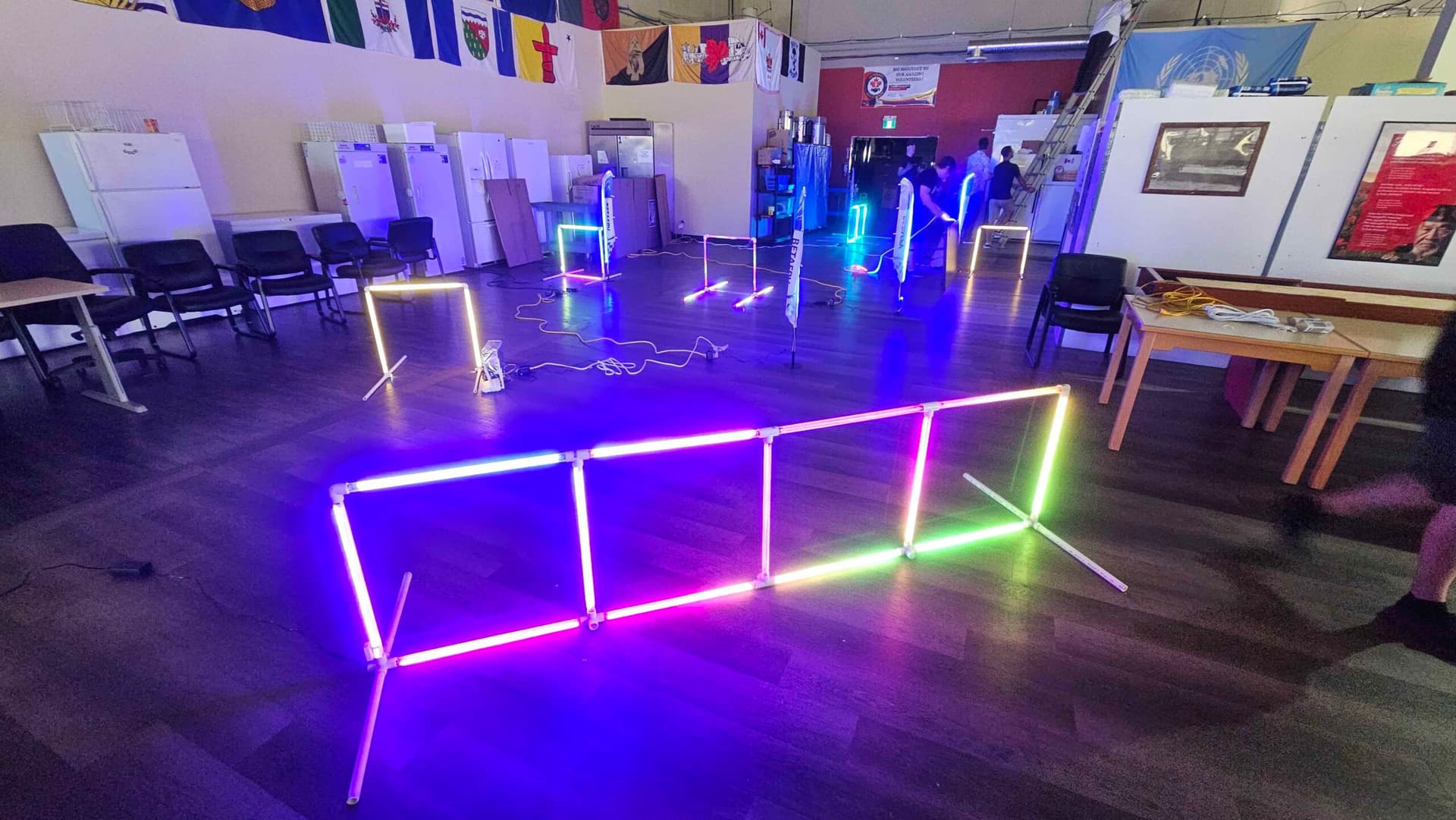
Run the actual track as many times as you can before the clock starts and treat practice like rehearsal rather than exploration. Indoor micro racing rewards minimal corrections: practice the shortest clean line through each gate and rehearse race starts and first‑lap scenarios so you reduce collisions and lost positions in heats. If the organizer allows open practice sessions, use them to simulate traffic and practice re‑acquisition after a bump.
6. Develop simple, repeatable repair drills
Establish a 90‑second repair drill for common failures (prop swap + motor check, antenna re‑seat, motor pin reinsert). TinyWhoop events are grassroots, downtime is limited and organizers appreciate pilots who fix quickly, so train to swap a prop and rebind, or to replace a motor within a practiced routine. Practice on the bench until the motions are reflexive; under race pressure you won’t have time to diagnose.
7. Radios, goggles, and signal hygiene
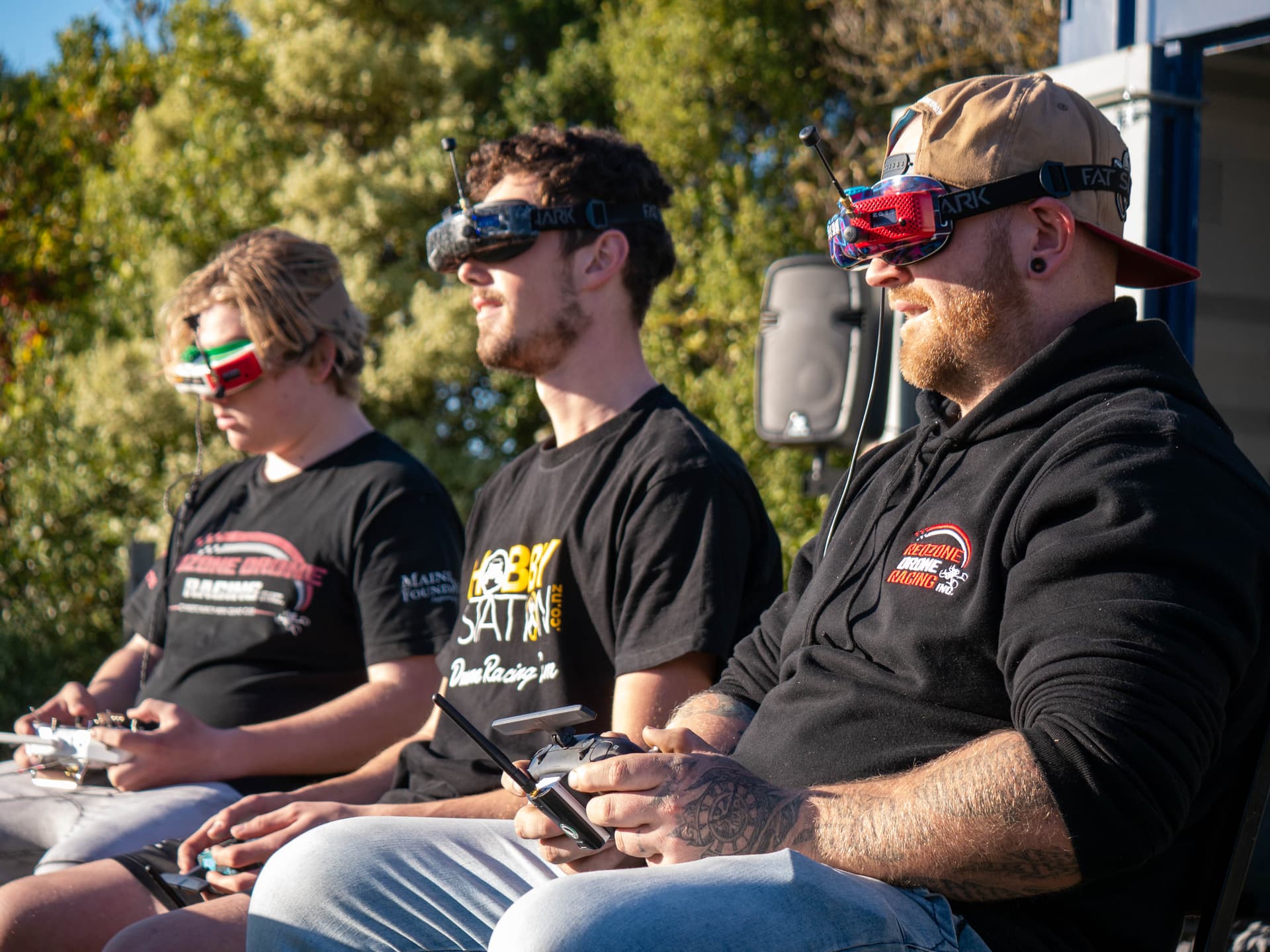
Lock your transmitter model and stick calibrations before you step into the staging area; changing transmitter mappings during an event introduces error. Use reliable antennas on your video rig and keep your analog/digital channel plan simple to avoid cross‑talk in tight indoor pits. Because many TinyWhoop races happen in enclosed spaces, verify channel clearance and be ready to change VTX channel quickly if interference appears.
8. Mental prep and heat management
Treat each heat as a discrete sprint: warm up physically with short stick‑time and mentally by visualizing the line and one emergency escape (where you give up position to avoid a crash). TinyWhoop events are often run back‑to‑back; conserve focus by scheduling short recovery between heats, hydrating, and prioritizing clean laps over risky passes in early rounds to secure qualification.
9. Community etiquette and learning opportunities
The tiny‑whoop community is the grassroots backbone of indoor micro racing, so race day is also a learning day, watch faster pilots, ask one practical question between heats, and trade pit‑side fixes. Being a helpful, prepared pilot gets you faster assistance when your whoop needs a hand, and organizers are more likely to slot cooperative pilots into later heats or spare slots.
10. Post‑race debrief and what to change for next time
After your final heat, log what went right and what failed: was it a bad prop set, a weak battery, or a poor line through Gate 3? Because these events are often a pilot’s first formal competition, small adjustments compound quickly across events, tweak one variable at a time (props, throttle curve, or physical weight) and measure lap times or consistency before more changes.
Final word TinyWhoop racing is where setups meet seat time: the grassroots nature of the community and the indoor micro format mean preparation converts directly to lap gains. Pack for repair speed, rehearse the exact lines and starts you’ll face, and treat the pit as a production line, your next event will reward the pilots who make repeatability a habit.
Know something we missed? Have a correction or additional information?
Submit a Tip