How to Start Drone Racing, Gear, Safety, and Local Races
Drone racing grew into a fast moving, accessible sport where pilots flew first person view drones through timed courses, relying on speed, precision, and community support. This article explains the equipment, safety rules, places to practice, and practical steps to progress from first flights to competitive laps.
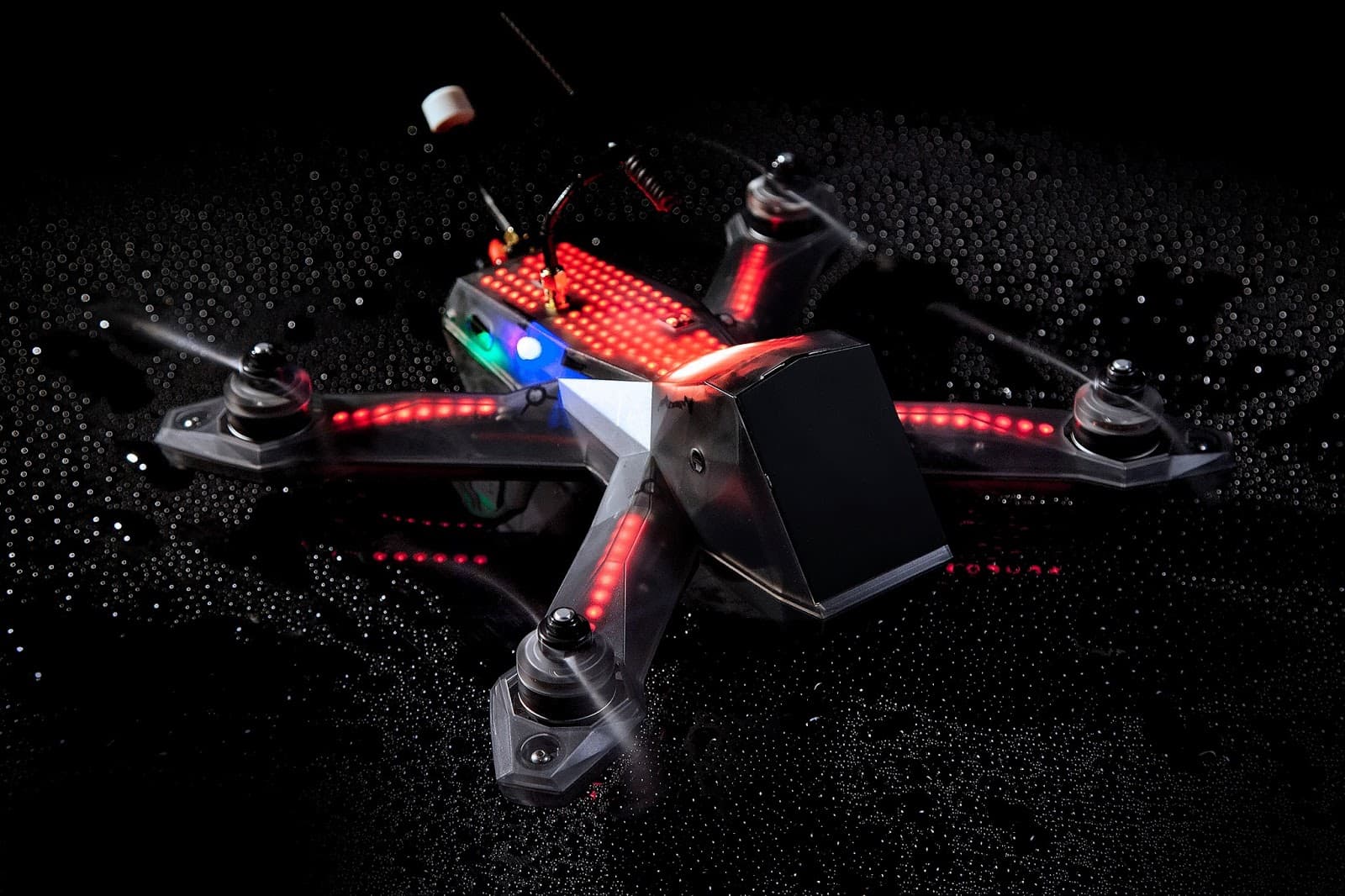
Drone racing was a competitive sport in which pilots flew first person view drones through marked courses at high speed, relying on an onboard camera and FPV goggles to pilot as if seated inside the craft. Races could be indoors or outdoors, and success depended on quick reflexes, precise control, consistent practice, and a supportive local community.
Racing frames commonly measured about 250 millimeters motor to motor for competitive builds, though beginners often started on smaller, more forgiving platforms such as Tiny Whoops or inexpensive Ready to Fly models. Typical categories included Ready to Fly, Bind and Fly, and Almost Ready to Fly kits. As skills and budgets grew, pilots moved to carbon fiber frames and custom builds with upgraded motors, electronic speed controllers, flight controllers, and tuned flight software to shave lap times.
FPV equipment formed the core of the experience. Pilots often began with a small screen then upgraded to FPV goggles from makers such as Fat Shark. Essential gear included a radio transmitter, LiPo batteries, a charger, spare props and frame parts, an FPV camera and video transmitter, and for more advanced setups digital video systems. Some teams and pilots used higher quality digital links for clearer video at speed.
Finding races and practice opportunities relied on local groups and organized leagues. Join a local Drone User Group or a MultiGP chapter to locate practice sessions and competitive events. RaceSync and chapter maps helped pilots discover nearby gatherings and formal race calendars. Professional leagues such as the Drone Racing League provided a progression route for pilots seeking more structured competition.

Regulations and safety practices mattered. FAA registration was required for drones above 0.55 pounds 250 grams flown outdoors, and local rules or event specific safety measures also applied. For FPV operation be aware of radio frequency transmitter regulations, as some setups required a licensed radio operator at events. Prioritize safety, follow organisers rules, and carry spares and tools to manage crashes.
To get better, practice on simulators such as Liftoff and Velocidrone, attend community practice sessions, and build muscle memory with consistent flight time. Verify local rules, connect with a chapter, pack spare parts and batteries, and focus on steady upgrades. With patient practice and community support, pilots moved from tiny indoor craft to full sized racing quads and competitive events.
This article was produced by Prism’s automated news system from verified source data, official records, and press releases, then run through automated quality and moderation checks before publishing. The system is built and supervised by the people who set the standards it runs under. Read our full AI policy.
Did this article answer your question?