Hybrid FPV Drone With Fixed Wings and Anti-Armor Warhead Signals Strike Evolution
A winged FPV quad armed with a PG-7 anti-armor warhead, analyzed by Grandpa Roy, signals a capability jump that racing leagues can no longer afford to dismiss.
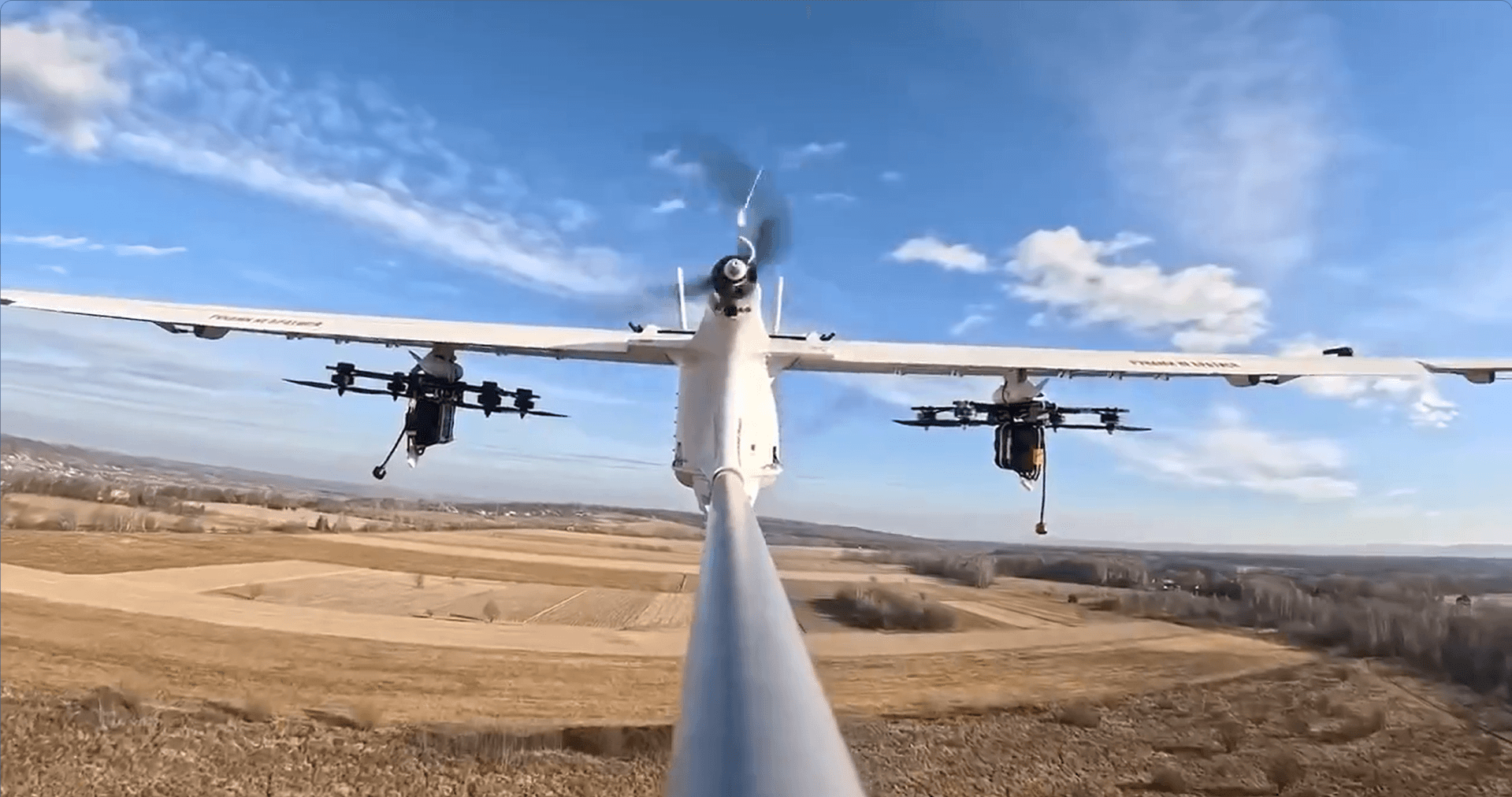
A fixed-wing hybrid FPV quadcopter loaded with a PG-7 shaped warhead was captured by Russia's Rubikon air-defence unit on April 8, 2026, and the footage they circulated moved quickly beyond military channels. Open-source investigator Grandpa Roy reviewed the platform, and his findings were picked up by Ukrainian and specialized defence outlets, which collectively characterized the modification as "promising and important" for the operators that field it.
The technical logic is deliberate. Fitting aerodynamic wings onto a multirotor reduces the energy expenditure required to sustain altitude during transit, extending both range and endurance without a fundamental redesign. A conventional FPV quad constantly spins rotors just to stay airborne; the winged variant generates passive lift between waypoints, freeing motor output for forward propulsion. Paired with the PG-7, a shaped charge munition designed specifically for defeating armored vehicles and fortifications, the platform enters deep-strike territory previously reserved for heavier, far more expensive loitering munitions. The hybridization is incremental in engineering terms, but operationally it shifts what a backpack-portable FPV system can reach.
What the footage makes undeniable, and what matters specifically for competitive FPV, is the bill of materials. The airframe relies on open-source flight controllers, off-the-shelf motors, and commercially available lightweight components: the same supply chain that stocks racing pits worldwide. That overlap is no longer a theoretical concern. It is an active policy pressure point.
Regulatory bodies that have historically treated FPV as a hobbyist niche are increasingly attuned to dual-use capabilities. Long-range video transmission systems, high-output motor configurations, and airframes with payload-compatible geometry are all plausible near-term targets for tighter controls. Leagues that depend on extended video links or operate at venue distances requiring long-range hardware should treat this moment as a window to establish self-regulatory frameworks before external mandates close that option.
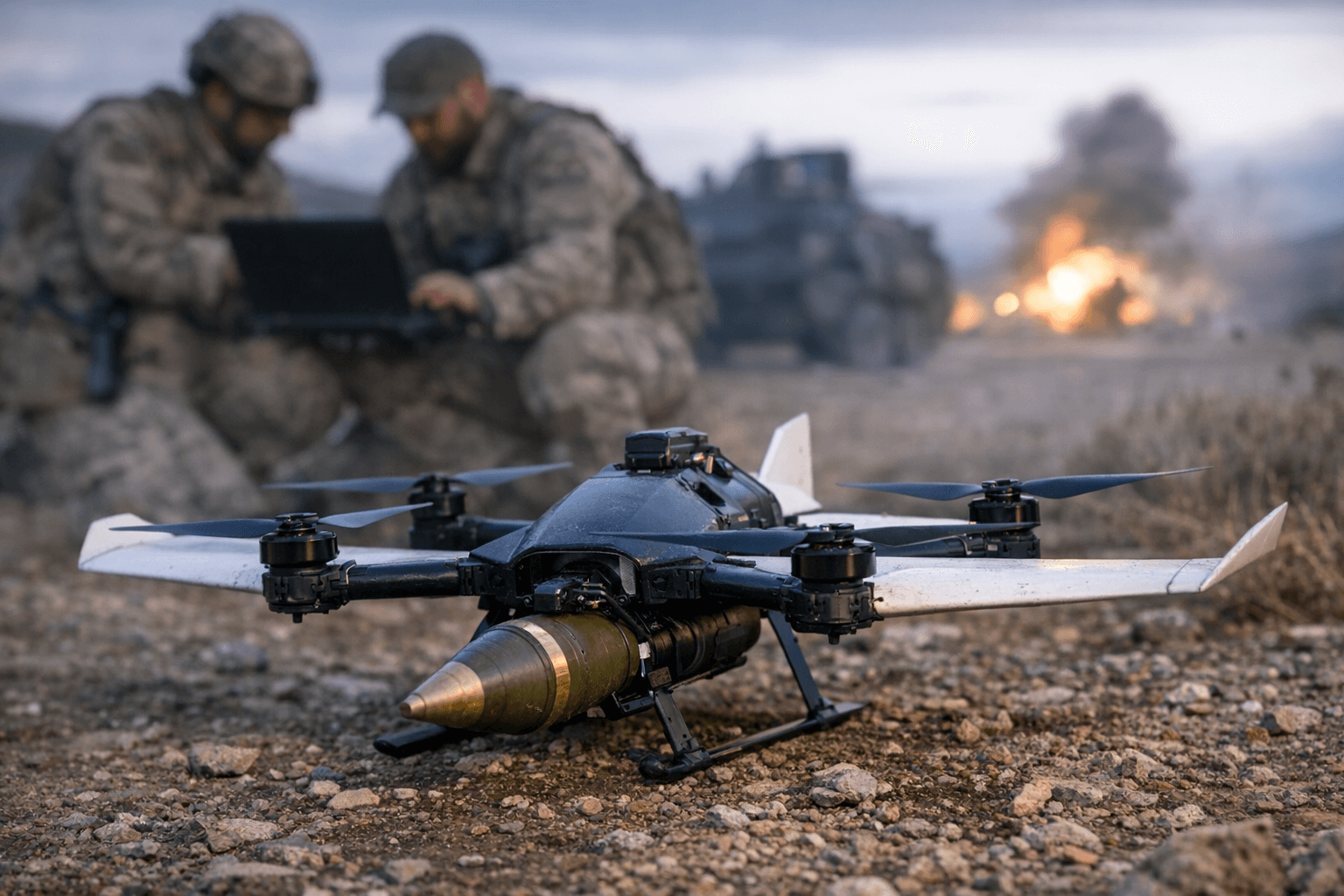
The perception threat arrives faster than any legislation. Broadcast partnerships, venue licensing, and sponsor relationships in sport FPV are built on one foundational public distinction: racing is sport, not weapons delivery. Every captured airframe circulated in open-source channels, built from hardware indistinguishable from racing kit, chips at that distinction regardless of what competitive pilots actually do. Leagues without proactive public messaging on dual-use technology are already operating at a deficit.
Analysts noted that adversaries are already accelerating countermeasure development and parallel hybrid concepts, meaning the military adoption cycle is outpacing any regulatory response that sport organizations might wait for. The window to shape the rules, rather than inherit them, is compressing with each new piece of footage that Grandpa Roy has reason to analyze.
This article was produced by Prism’s automated news system from verified source data, official records, and press releases, then run through automated quality and moderation checks before publishing. The system is built and supervised by the people who set the standards it runs under. Read our full AI policy.
Did this article answer your question?