IDF opens FPV drone factory as Hezbollah escalates attacks
Hezbollah’s fiber-optic drones have turned FPV into a battlefield headline, and Israel is now opening a factory to build thousands a month. That noise can spill over onto race fields, permits, and public trust.
The biggest casualty may not be a tank or a drone. It may be the clean line between FPV racing and FPV warfare, because every headline about suicide drones, battlefield strikes, and jam-resistant fiber-optic links makes life harder for clubs trying to book fields, win permits, and reassure landowners that the sport is about split-second flying, not weapons.
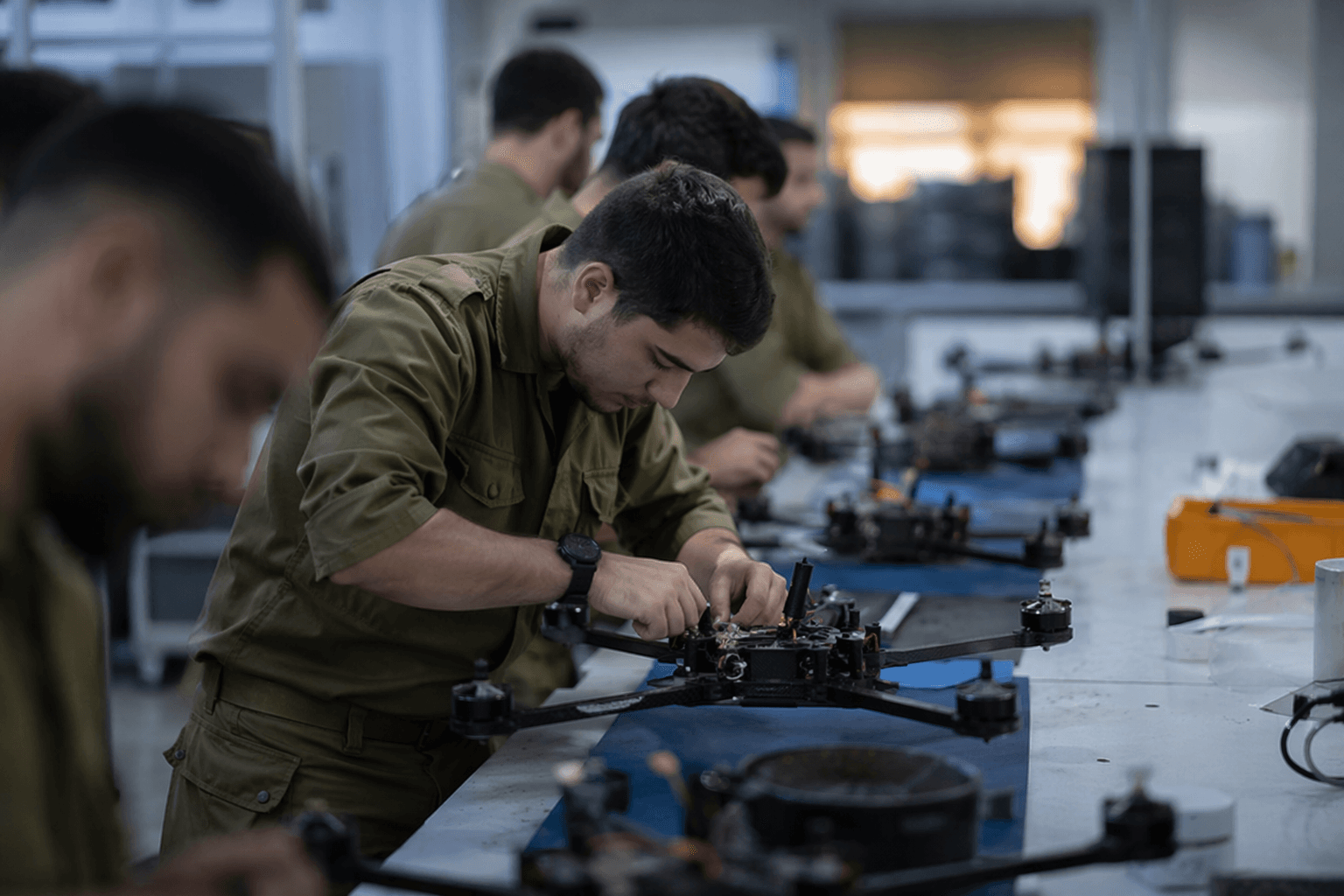
Army Radio reported that the Israel Defense Forces were establishing a factory to produce FPV suicide drones for use in all theaters of war, with multiple reports saying the line was expected to turn out thousands of drones each month. One report said the facility could even be staffed by ultra-Orthodox soldiers, a sign that the military sees this as a sustained production push, not a one-off adaptation.
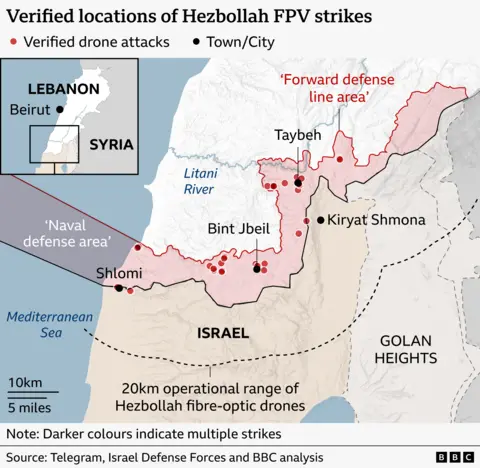
The pressure came from Hezbollah’s growing use of FPV systems in southern Lebanon and northern Israel. Israeli outlets and research groups said the group has leaned hard on fiber-optic FPV drones, which are difficult to jam because they are guided by a physical cable instead of radio signals. In recent weeks, Hezbollah-aligned media released videos showing small FPV drones homing in on Israeli tanks, vehicles, and troops, turning a once niche racing platform into a visible part of the fighting.
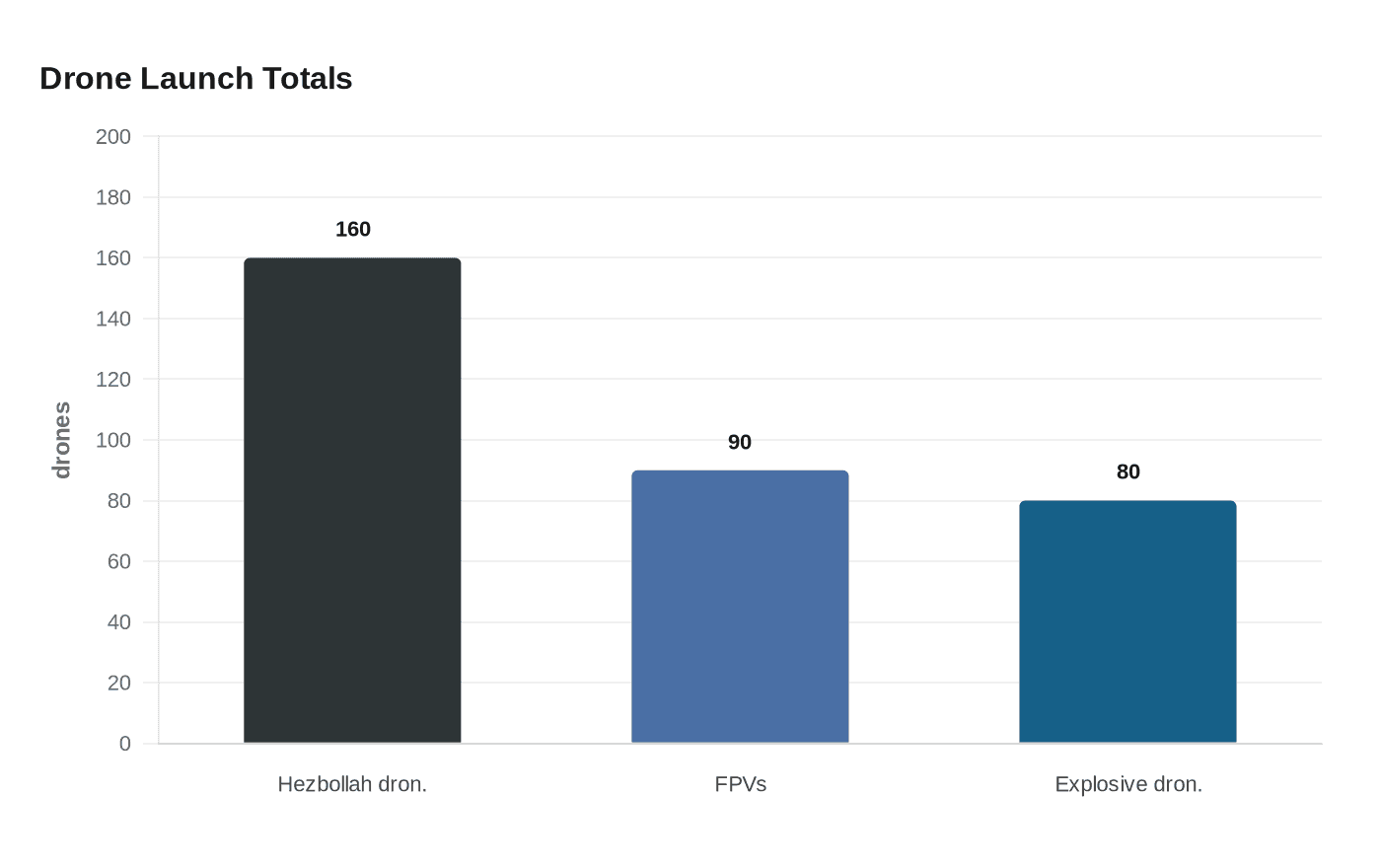
The numbers underline how quickly the threat scaled. One Israeli defense estimate said Hezbollah launched about 160 drones since early March 2026, including roughly 90 FPVs. The Alma Research and Education Center said more than 80 explosive drones had been used since the current campaign escalated in March and especially after the ceasefire on April 18, 2026. FDD’s Long War Journal said Hezbollah had modified drones during the 15 months after the November 2024 ceasefire to use fiber-optic links, and one attack video showed a drone targeting six Israeli troops near a Merkava tank.
Cost is part of the equation too. Some analyses put basic FPV units at only a few hundred dollars each, cheap enough to be built in decentralized workshops in southern Lebanon and the Bekaa Valley and hard enough to interdict before launch. Israeli reporting also said the IDF had already begun using FPV drones in Lebanon, while the IDF chief ordered strikes on Hezbollah’s drone supply chain deep inside Lebanon on May 1, 2026.
The lesson from Ukraine is now written all over this front. FPV technology that grew out of commercial and racing-drone culture has become a mass-produced battlefield weapon, and that reality now hangs over every race organizer, pilot, and club trying to defend the sport’s identity from the war it helped inspire.
Know something we missed? Have a correction or additional information?
Submit a Tip