US Drone Dominance Program greenlights 11 FPV kamikaze designs after Gauntlet test
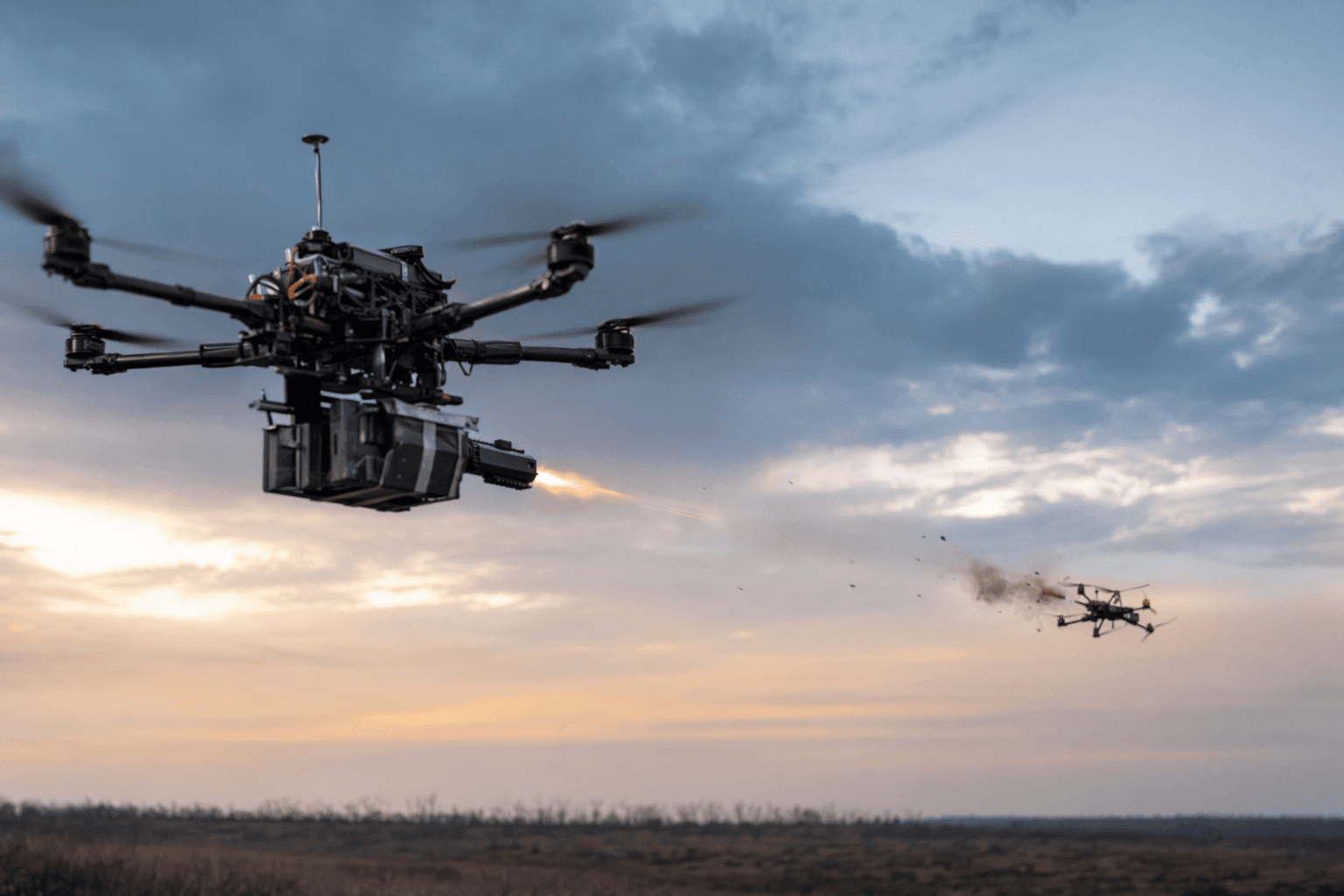
Skycutter led the first Gauntlet with 99.3 points as 11 FPV designs cleared the Drone Dominance leaderboard, setting up $150 million in delivery orders.
Skycutter topped the first Drone Dominance Gauntlet with 99.3 points, while Neros followed at 87.5, and 11 FPV designs advanced onto the Pentagon-backed leaderboard as finalists for production orders. For the racing and FPV supply world, the real scoreboard is not just who won, but who now gets access to the factories, components, and pilot talent that could shape the next season.
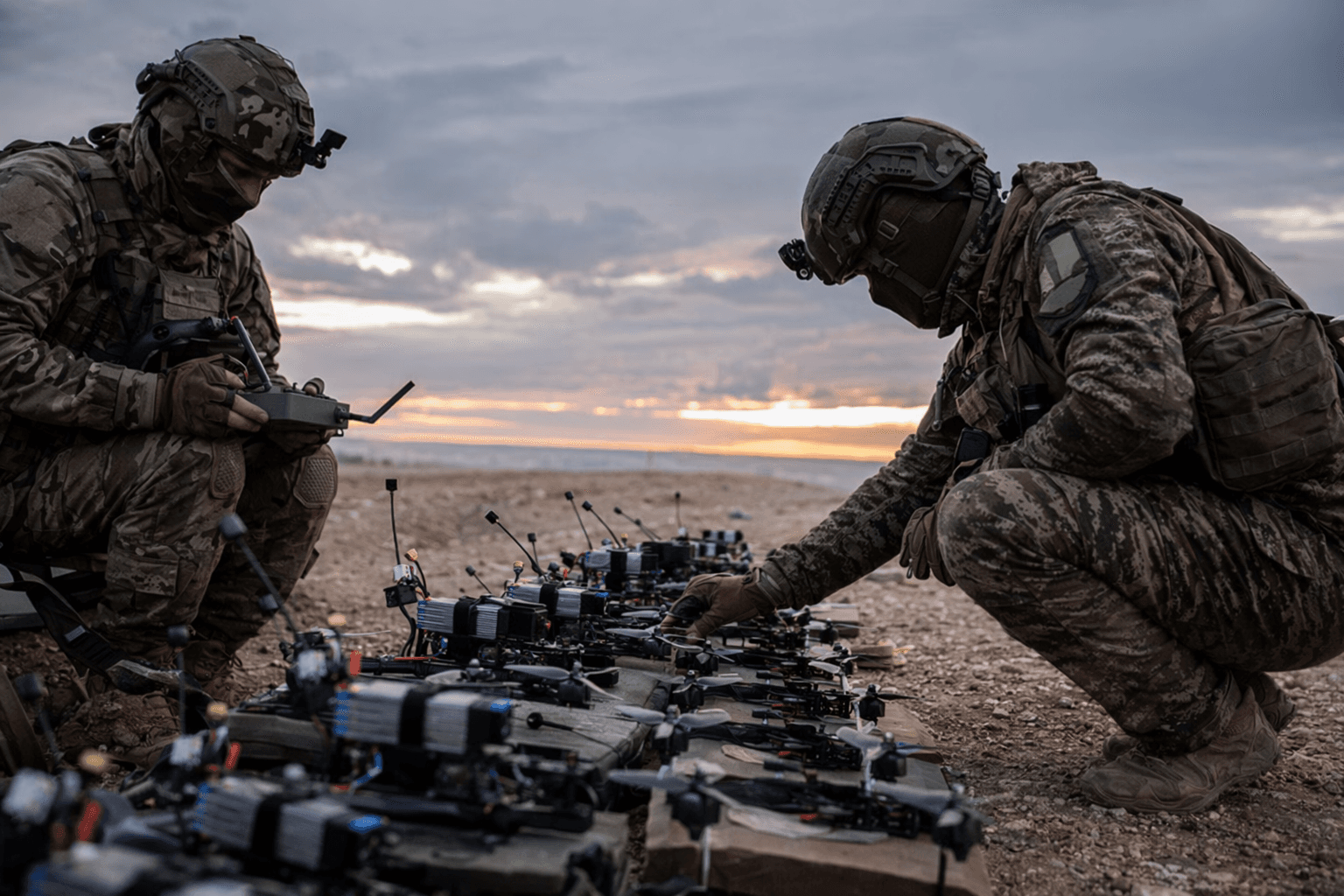
The first Gauntlet began Feb. 18 at Fort Benning, Georgia, where 25 vendors brought prototypes, taught military personnel how to fly them, and then watched operators run mission scenarios that included finding, locking on, and destroying targets. The Department of War said the first phase would buy 30,000 drones at an average price of about $5,000 each, with delivery targeted by July, part of an iterative $1 billion effort to purchase more than 200,000 small lethal drones by 2027.
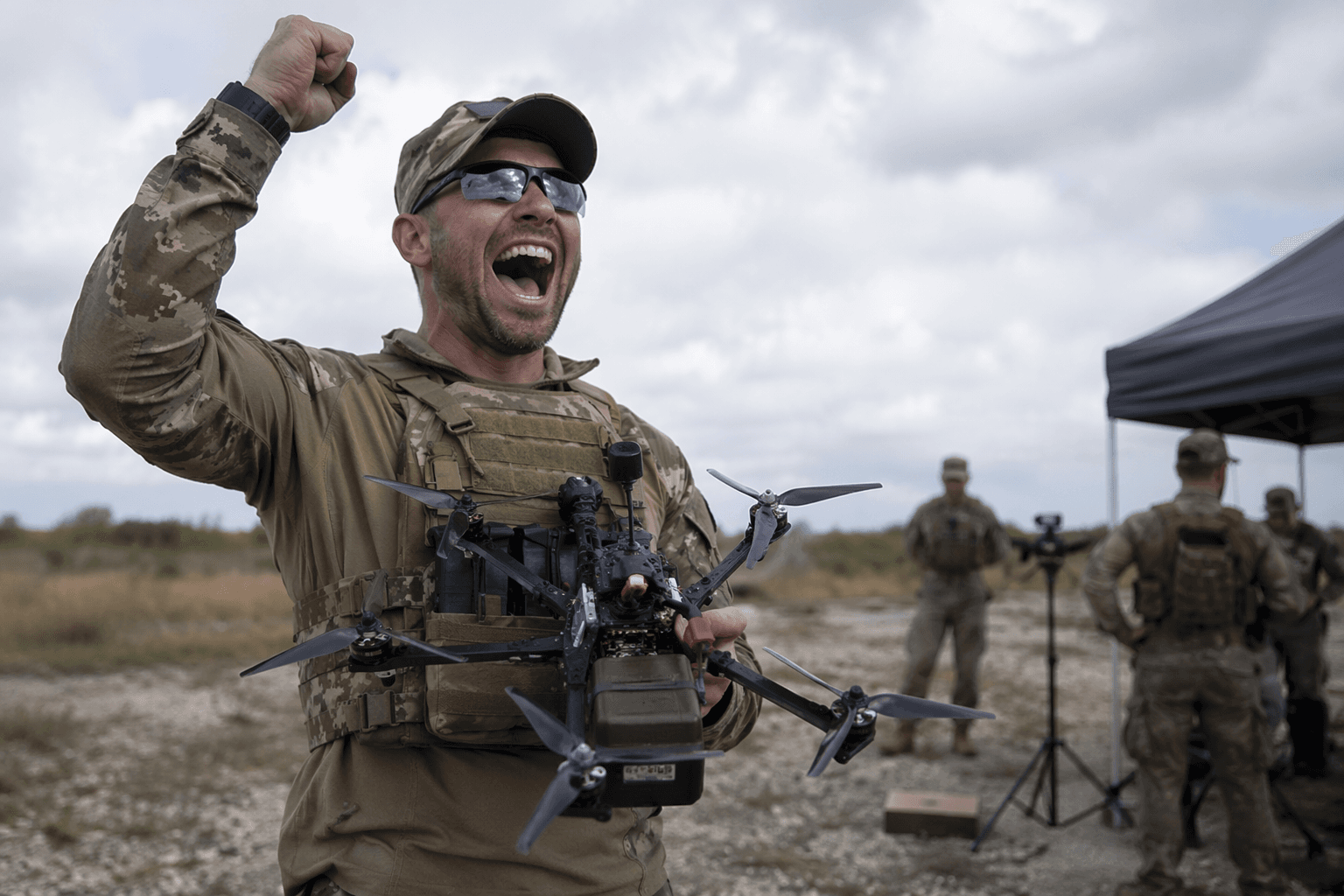
That scale is what makes the story matter beyond defense procurement. If the program really spends at that pace, it could pull motors, flight controllers, batteries, frames, and skilled FPV builders into military production runs at the same moment club racers are trying to refresh their inventory for the next season. In the short term, that can tighten supply for race-ready quads and popular frame sizes. In the longer term, it could do the opposite, pushing volume high enough to lower prices and improve parts availability for local pilots who have been held back by cost.
The program’s own roadmap suggests a squeeze before any relief. Officials have said later gauntlets will cut the field from 12 vendors to five and drive the estimated cost down to about $2,300 per drone. That kind of winnowing rewards manufacturers that can scale fast, hold quality, and keep parts moving through the supply chain, the same qualities that decide whether an FPV brand stays on a race calendar or disappears from club pits.
The top 11 finalists were Skycutter, Neros, Napatree, ModalAI, Auterion, Ukrainian Defense Drones, Griffon Aerospace, Nokturnal AI, Halo Aeronautics, Ascent Aerosystems, and Farage Precision. The lineup also reflects the Blue UAS pipeline, the Pentagon’s trusted catalog for secure, NDAA-compliant drones and components, which moved from the Defense Innovation Unit to the Defense Contract Management Agency as officials pushed to scale approved procurement.
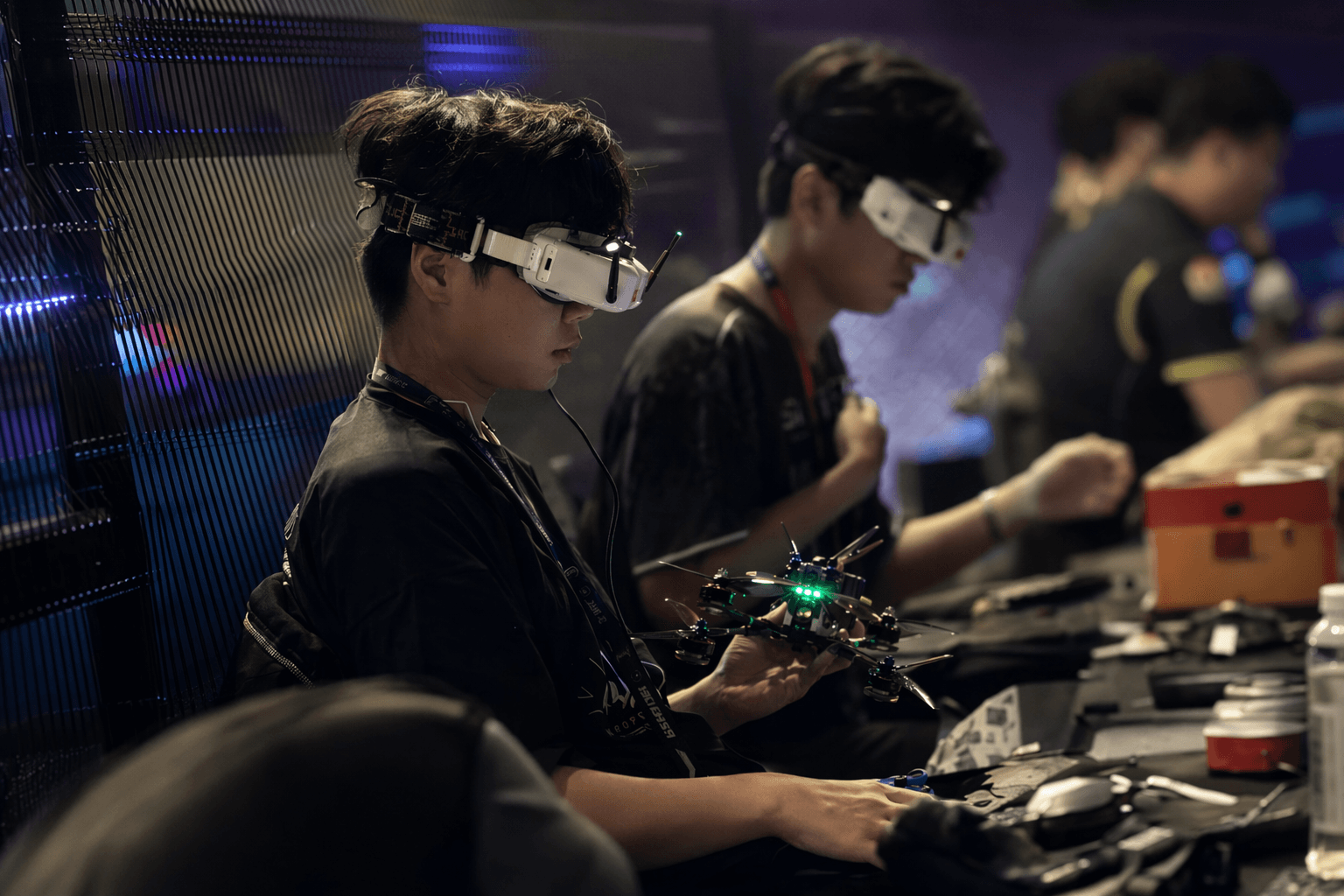
For drone racing, that means the next season may be shaped as much by procurement as by lap time. If defense demand absorbs the best builders and the cleanest parts, club fields could feel thinner. If it expands manufacturing capacity instead, the sport could get cheaper quads, steadier frame supply, and a wider entry point for the next wave of pilots.
Know something we missed? Have a correction or additional information?
Submit a Tip