Japanese Firm Terra Drone Backs Ukrainian Interceptor Drone Production in Historic Deal
Tokyo-listed Terra Drone backed Kharkiv interceptor builder Amazing Drones in the first Japanese industrial bet on Ukraine's defense drone sector.
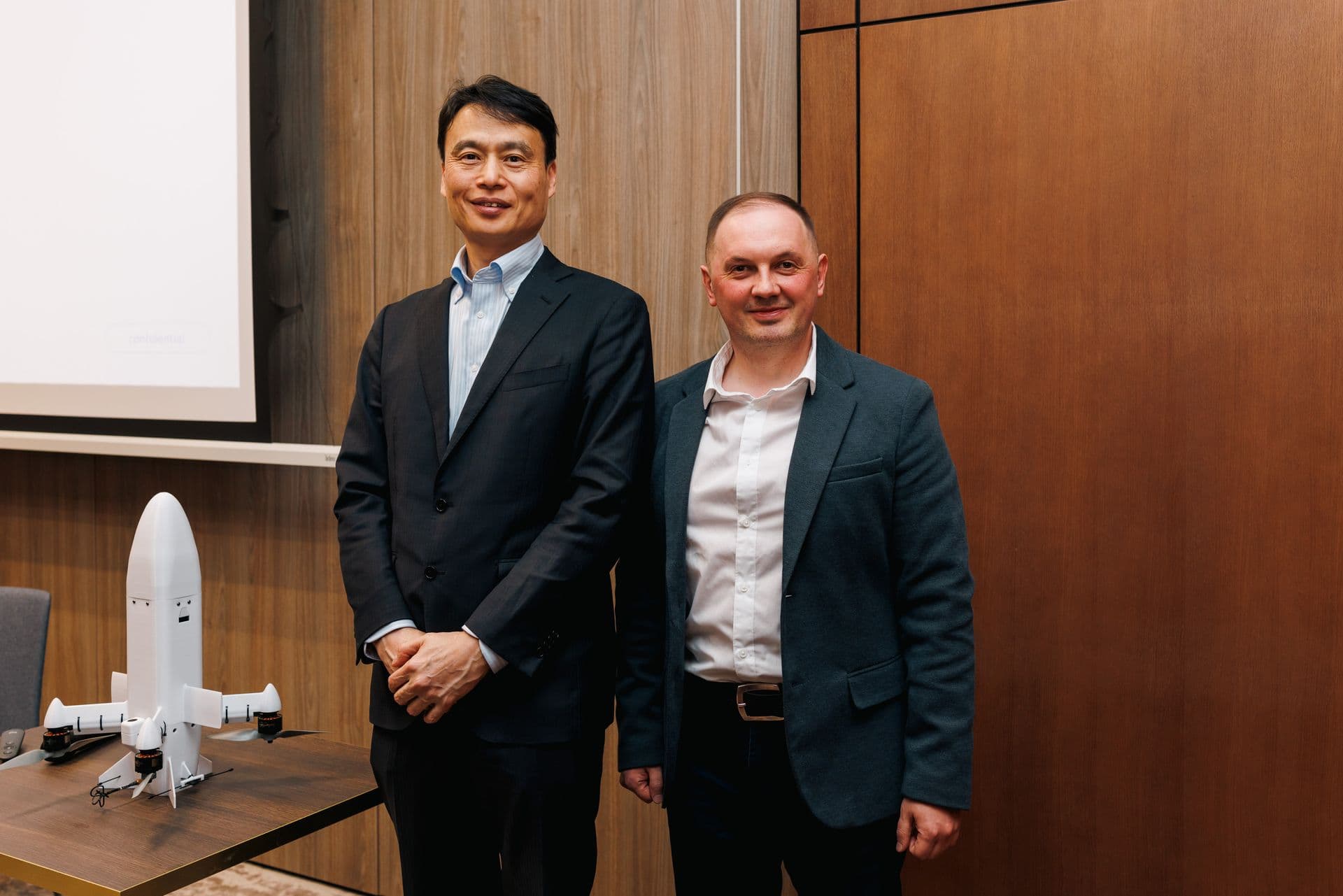
When Tokyo-listed capital meets Kharkiv's interceptor assembly lines, the ripple hits every workbench downstream. Terra Drone's production partnership with Amazing Drones marks the first time a Japanese industrial firm has committed directly to Ukrainian defense drone manufacturing, and the implications stretch well beyond the battlefield.
Terra Drone CEO Toru Tokushige framed the move as a direct response to shifting threat perceptions, calling drones "a game changer" in Japan's regional security calculus. Under the agreement, Terra Drone takes on supply chain management, marketing, and global distribution for Amazing Drones' interceptor family, effectively plugging Kharkiv's engineering output into a Tokyo-scale industrial pipeline.
Amazing Drones' interceptors are built around a specific cost logic: defeat small strike drones without burning a surface-to-air missile budget. The company's published performance figures list a 32-kilometer range, peak speed of roughly 300 km/h, and flight time around 15 minutes on one interceptor variant. Those numbers sit squarely in the performance envelope of high-end FPV sport hardware, but tuned for target acquisition rather than gate clipping.
That overlap is where the racing community's interest sharpens. The motors, carbon airframes, ELRS-compatible radio links, and video transmission gear that make interceptors viable at those specs draw from the same industrial pool that supplies race builders. When a defense-contracted manufacturer scales to meet military procurement volumes, it doesn't leave the civilian market unchanged. It compresses lead times on high-demand components, reorients frame geometry research toward hardened and structurally repeatable builds, and pushes propulsion engineers toward torque and thermal tolerance rather than peak RPM for its own sake.
Terra Drone's agricultural and infrastructure background gave it deep familiarity with volume procurement and supply chain redundancy, capabilities that Amazing Drones' wartime production has needed but lacked. Bringing Japanese industrial discipline to a Kharkiv operation iterating interceptor designs under active combat conditions creates a specific feedback loop: field data drives engineering revisions, and Tokyo-scale logistics push those revisions into production faster than any sport-sector component cycle could match.
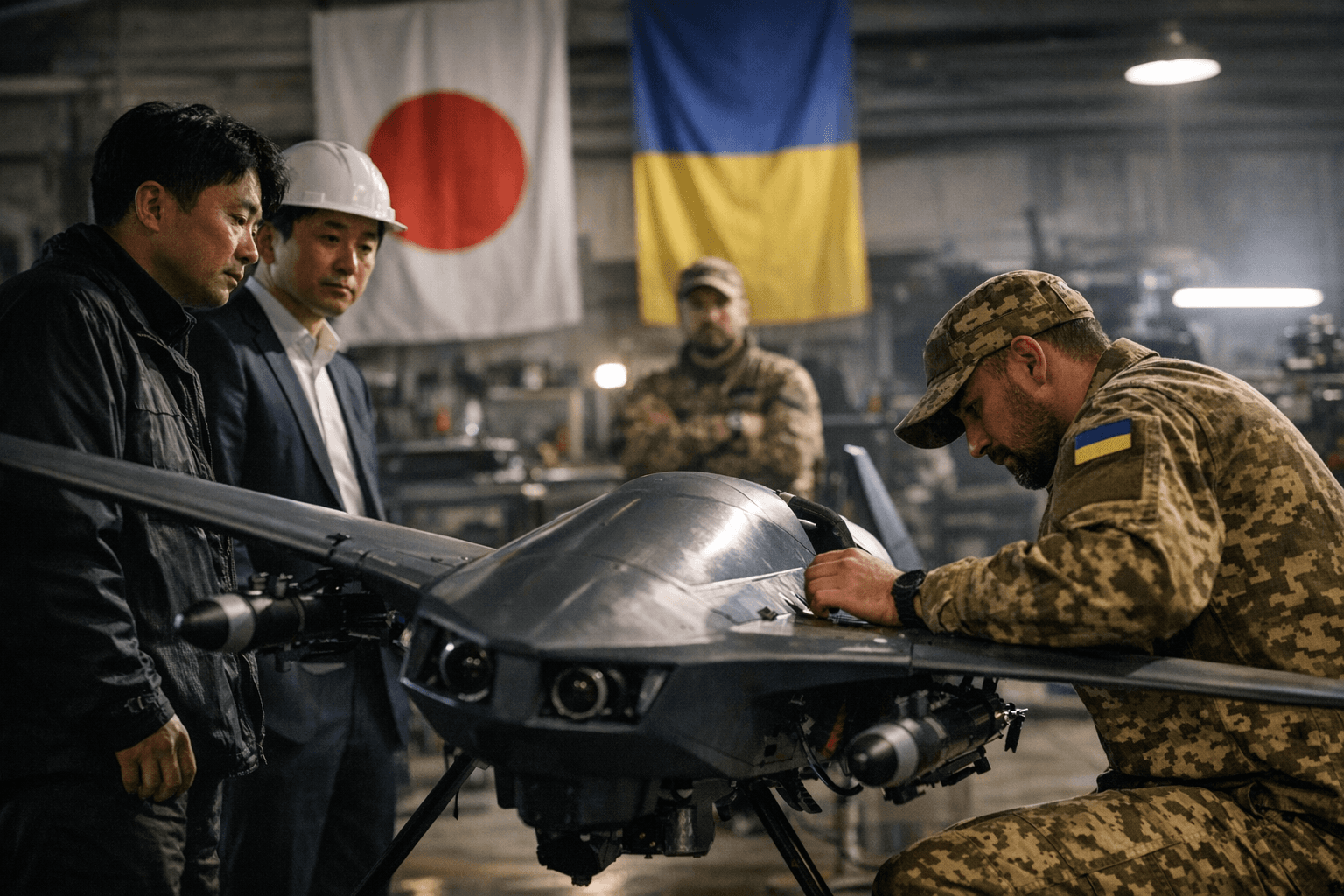
Hardened frame geometries developed for interceptor durability tend to surface in competitive builds within two to three product generations. Ruggedized motor windings designed for flight-to-intercept duty cycles improve bearing life across every application. Sensor fusion work done to sharpen interceptor terminal guidance eventually lands in faster, more stable FPV stabilization algorithms.
Terra Drone's entry also signals a broader recalculation across the Tokyo industrial base. Companies that previously treated Ukrainian defense tech as a reputational liability are now running different math. More investment means more development, more volume, and more pressure on the global component supply chain to keep pace.
Tokushige's "game changer" framing wasn't aimed at race circuits. But the industrial forces his company just activated will reach them regardless.
Know something we missed? Have a correction or additional information?
Submit a Tip