LRCFPV Tops VelociDrone Finale Contatto GP Leaderboard in 47.3s
LRCFPV set the fastest VelociDrone FINALE CONTATTO GP run at 47.3 seconds, edging a wave of sub-50 and low-50-second times that signal rising precision and competition in sim-based FPV racing.
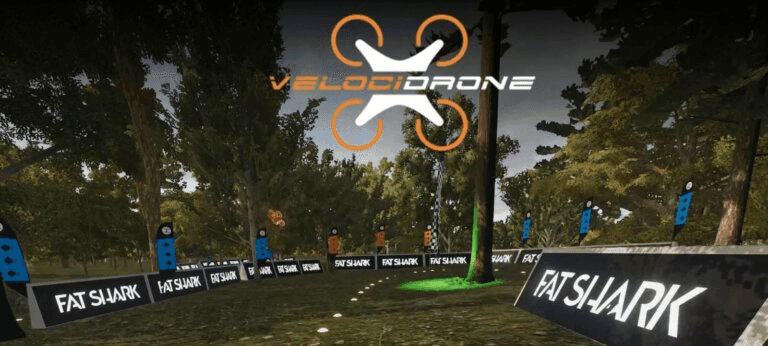
LRCFPV stunned the VelociDrone Racing League field with a blistering 47.3-second lap on the FINALE CONTATTO GP course, according to the public VelociDrone leaderboard. That run, logged during late January competition, topped a string of sub- and low-50-second benchmark times posted across the event on January 25, 2026, and underscored how simulation platforms are pushing margins and sharpening pilot skillsets.
The leaderboard snapshot made clear that LRCFPV separated from a tight pack of contenders by breaking well under the 50-second mark. Other pilots on the leaderboard posted runs clustered in the low-50s, suggesting that small optimizations in line choice, throttle control, and tune setup were decisive. On a technical course like CONTATTO, which rewards clean gate entries and momentum through link sections, shaving tenths of a second requires both precise controller inputs and rigorous firmware and PID tuning.
Performance-wise, the 47.3 run highlights the convergence of pilot ability and sim optimization. LRCFPV’s time implies near-flawless line-holding through high-speed straights and snap transitions into tight complexes, where acceleration out of a gate is as valuable as maintaining soft, corrective inputs. For sim racers, that kind of benchmark becomes a reproducible training target; for real-world pilots, it translates into proof-of-concept for racecraft drills that can be practiced without risking hardware.
Industry implications are significant. VelociDrone’s public leaderboard model continues to function as an accessible talent pipeline, lowering barriers for sponsors and teams to scout skilled pilots based on objective times. The proliferation of sub-50-second runs also feeds equipment vendors and sim service providers: faster lap times spotlight the market for advanced transmitter modules, higher-fidelity controllers, and tuning tools aimed at squeezing performance without raising costs for entry-level competitors.

Culturally, LRCFPV’s top time feeds the community’s appetite for measurable progress and bragging rights. Sim leagues are increasingly a social arena where pilots exchange tune files, flight footage, and telemetry to chase marginal gains. That knowledge-sharing dynamic reinforces inclusivity, allowing newcomers to benchmark against established handles and accelerate their development.
Socially, the velocity of these leaderboard movements amplifies the narrative that competitive drone racing has matured into a hybrid sport-technology ecosystem where training, data analysis, and sponsorship intersect. For fans, LRCFPV’s 47.3 is not just a number but an invitation to expect a faster, more professionalized VRL season ahead. The next step for the scene will be whether these sim benchmarks translate into tighter, faster live races and whether teams and sponsors step up to convert leaderboard stars into wider audience draws.
Know something we missed? Have a correction or additional information?
Submit a Tip