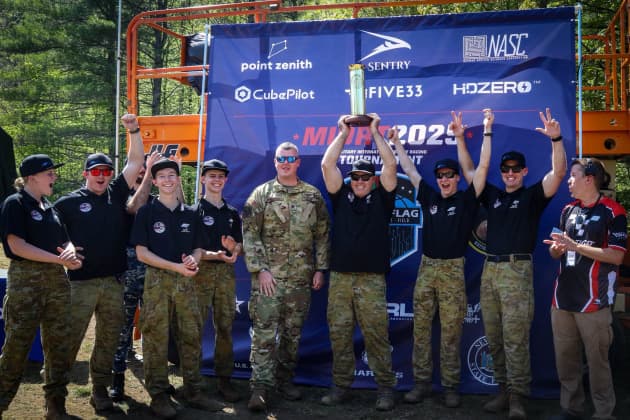
Mayhem drone race tests endurance, pit discipline and team tactics
Mayhem turns drone racing into a 12-hour test of battery discipline, repairs and team calls, where White Goat won by 14 laps.
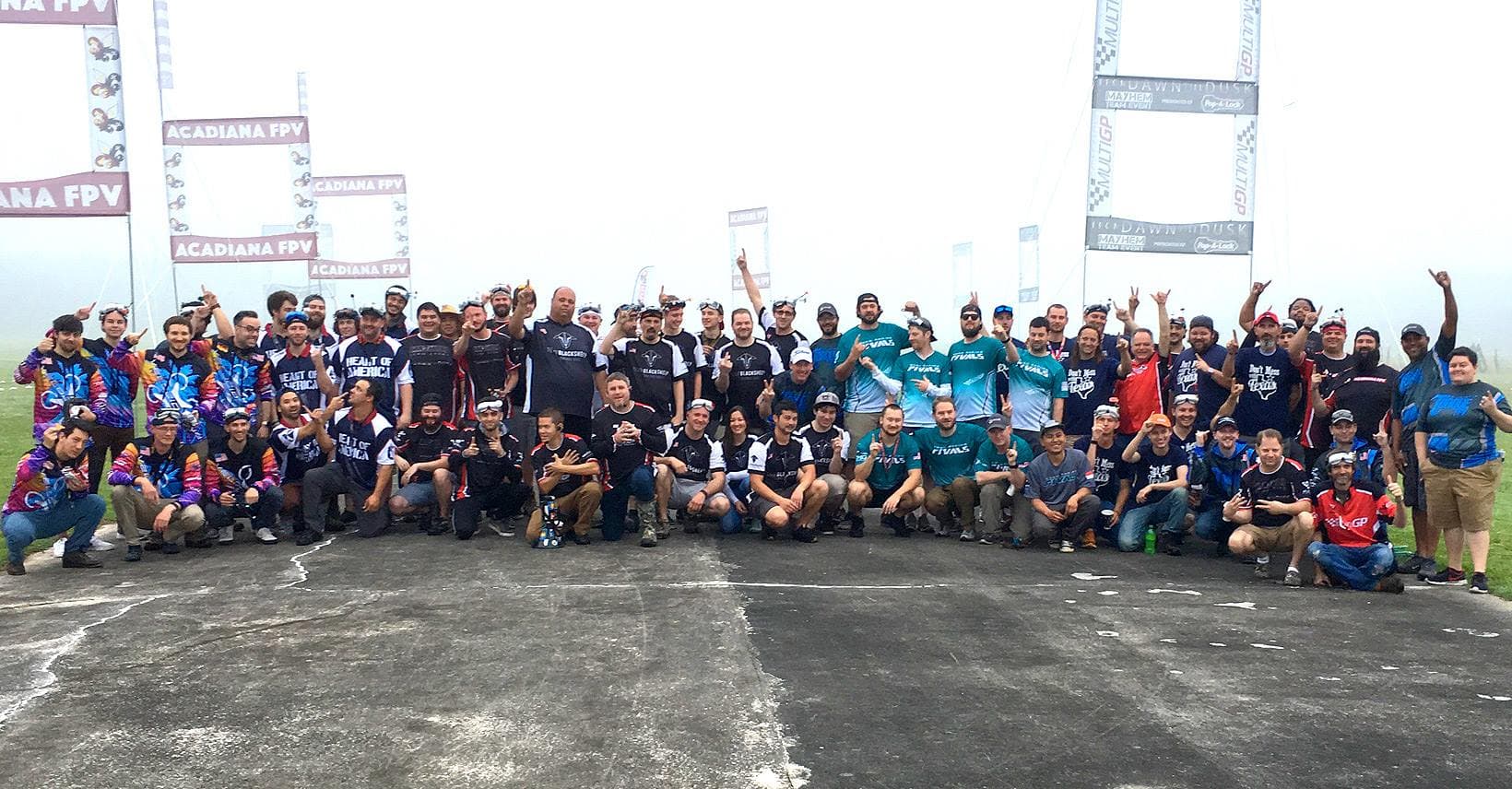
Mayhem looks like a sprint from a distance, but the 12-hour relay in Dallas rewards something harder to fake: calm hands, clean pit work and a team that keeps making the right call when the weather turns ugly. In the eighth edition, dubbed Dawn to Dusk, the field cleared more than 6,000 laps and burned through thousands of charge cycles while White Goat held off Wrekd by 14 laps. That margin, and the one-lap split between third and fourth, is the clearest proof that Mayhem is built to expose every mistake.
The format that strips away the usual excuses
Mayhem’s rules are deliberately narrow. MultiGP sets it up as a 12-hour team race with a maximum of 10 pilots per team, and the winning team is simply the one with the most laps at the end of the clock. Every quadcopter runs the same Gemfan MCKv3 propeller, and the motor cap sits at 24k RPM, which keeps the contest from becoming a pure hardware arms race.
That matters because the event is not won by the flashiest lap or the biggest throttle punch. It is won by teams that can keep aircraft in the air, rotate batteries without wasting seconds, and avoid expensive crashes that eat both time and parts. When the field is standardized this tightly, the gap between teams comes from execution, not from hiding a faster setup under the hood.
MultiGP’s scale gives the format extra weight. The league says it has more than 30,000 registered pilots and 500 active chapters worldwide, so Mayhem functions as a showcase for the sport’s deepest bench as much as a single marquee race. In that sense, it is one of drone racing’s clearest demonstrations of how a league can turn a niche speed contest into a large-format team discipline.
Why endurance beats the “fastest lap wins” stereotype
Mayhem is the kind of race that punishes the common misconception that drone racing is only about who can turn the quickest lap. In a 12-hour relay, speed still matters, but only if the battery is ready, the pilot is fresh and the quad survives long enough to capitalize on it. The event rewards a broader championship skill set: battery management, repair decisions, pit timing, team coordination and mistake control.
The 2024 race showed that clearly. The first caution did not come until after two full hours, which the recap notes was the longest stretch between cautions in any Mayhem. That meant teams had to manage chaos without relying on frequent resets, and it kept the pressure on pilots to stay clean while the pace stayed live.
That kind of endurance format also changes how victories feel. A one-lap gain late in a 12-hour race is not a cosmetic edge; it is the product of dozens of micro-decisions made correctly across an entire day. In Mayhem, championship skill is measured in how few opportunities a team wastes.
The 2024 race turned into a strategic fight, not a parade lap
The eighth Mayhem began at 7:08 a.m., after dawn broke, with wind already blowing at 15 to 20 mph. Later gusts reached 40 mph, which made the Dallas field a test of concentration as much as speed. Wrekd opened strongly and led after the first hour with 125 laps, showing how quickly a clean early run can set the tone.
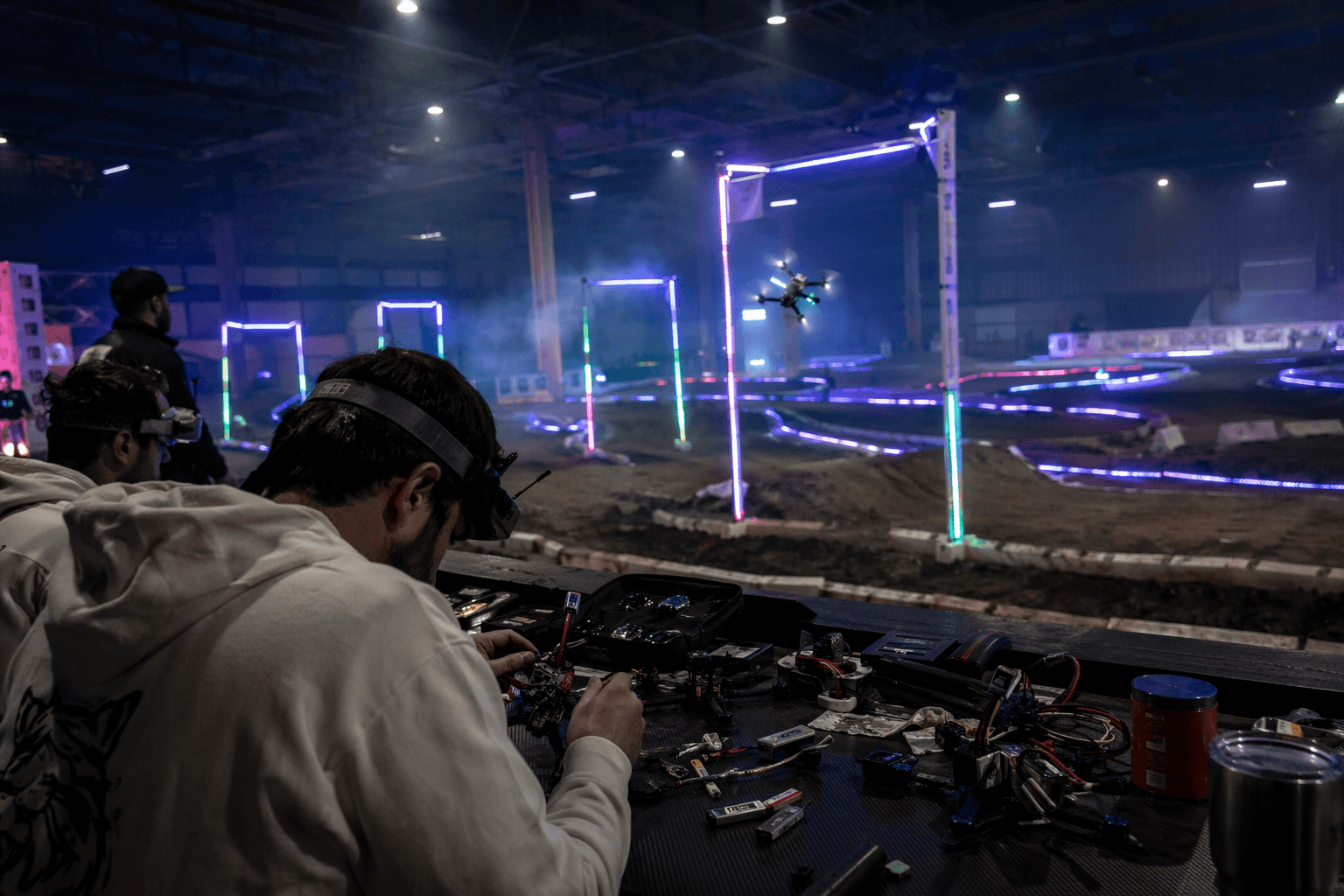
But the front of the race stayed crowded all day. Wrekd, White Goat, Flight Club and Bay Area Racing traded positions as the hours passed, and by hour three the top three teams were separated by only seven laps. That kind of compression is what gives Mayhem its drama: one misread landing zone, one slow battery swap or one damaged frame can erase an entire sequence of good laps.
White Goat ultimately won by 14 laps over second place, while third and fourth were separated by just one lap. Those margins are small enough to show how much the race hinged on pacing and discipline, not just top-end speed. The deeper story is that even under high wind and long stretches without caution, the field stayed close enough for every pit stop to matter.
What the race does to teams, parts and nerves
Mayhem is a stress test for hardware and for the people who maintain it. The event’s own recap points to thousands of charge cycles, and that number tells you how relentless the format is: batteries are not just being used, they are being cycled hard, repeatedly, for half a day. The 24k RPM cap and shared propeller choice keep the competition technically fair, but they also push teams toward precision maintenance, because there is no easy equipment advantage to rescue a sloppy pit lane.
That is why the race has become such a useful marker inside the sport. Teams must decide when to push a pilot for a longer stint, when to pull a craft for repairs and how aggressively to chase laps versus protect equipment. In a shorter event, a crash can be absorbed. In Mayhem, a crash can reshape the whole board.
The social side of that is easy to miss if the focus stays on lap times alone. A 10-pilot relay forces collaboration across roles that are often invisible to casual viewers: pilot, tuner, battery crew, repair hands and score watchers all become part of the result. The race does not simply crown the best stick work; it rewards the group that functions most like a championship team.
The 2023 record set the benchmark for what this race can be
The previous year’s event explains why Mayhem has become such a strong reference point. The seventh edition began at 7:07 a.m. Central Standard Time on April 15, 2023, at the Dallas Drone Racing field in Texas. That race featured seven teams and more than 60 pilots, and Flight Club set the all-time Mayhem record with 1,446 laps.
The 2023 numbers also underline the physical toll. The event used more than 2,500 discharged LiPos and 1,200 propellers, which is a vivid reminder that endurance drone racing is as much about consumption as competition. Every battery swap and every prop change is part of the scorekeeping, even if it never appears on the leaderboard.
Taken together, the 2023 and 2024 editions show how Mayhem has grown into drone racing’s clearest endurance benchmark. It is a race where the scoreboard reflects more than speed, where the weather matters, and where White Goat’s 14-lap win says as much about discipline as it does about talent.
This article was produced by Prism’s automated news system from verified source data, official records, and press releases, then run through automated quality and moderation checks before publishing. The system is built and supervised by the people who set the standards it runs under. Read our full AI policy.
Did this article answer your question?