OBS Deploys 810+ Cameras, Including 15 FPV Drones, at Milano Cortina
OBS deployed more than 810 cameras at Milano Cortina, including 15 FPV drones - a Winters Games first that changes live-sports storytelling and raises safety and production stakes.

Olympic Broadcast Services has rolled out an unprecedented visual toolkit at Milano Cortina, deploying more than 810 cameras to capture the Winter Games and introducing first-of-its-kind FPV coverage for winter disciplines. OBS is deploying more than 810 cameras across venues (32 cinematic, 140 robotic, 251 mini cameras, 15 FPV drones, 12 cablecams, railcams, jibs, etc.), a technical inventory aimed at turning velocity and terrain into visceral television.
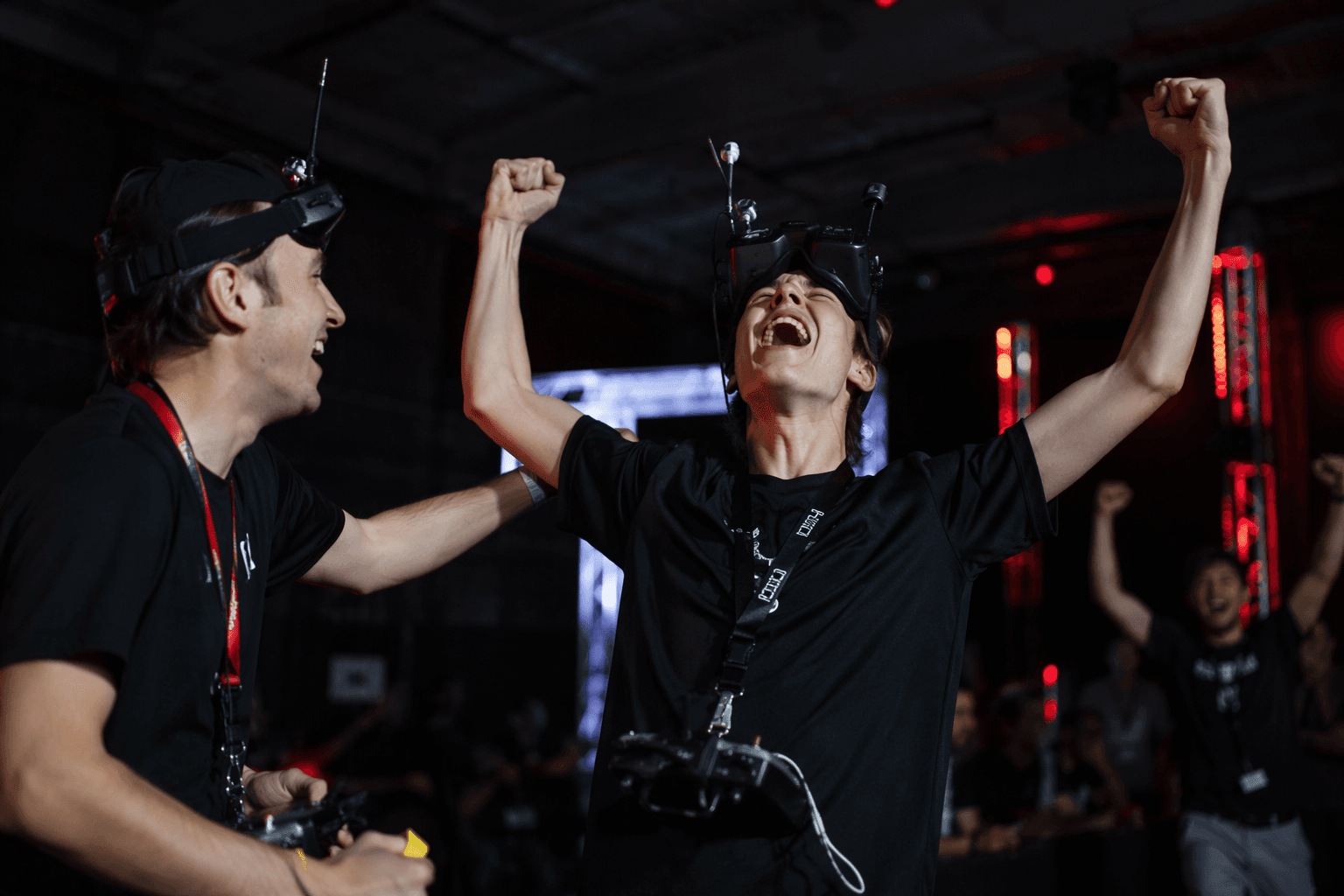
That inventory matters to drone racing fans because FPV systems are no longer a niche camera trick - they are being used to shape flagship Olympic narratives. SportsVideo reports the deployment includes as many as 15 FPV drones across indoor and outdoor sites, marking FPV’s Winter Games debut after its first live use at Paris 2024 for mountain-bike events. Digitalcameraworld recorded a different drone total, noting OBS was “using over 800 camera systems to cover the 2026 Games, including the use of 25 drones,” a higher aggregate figure that the outlets present without a type breakdown.
OBS’s visual strategy, described internally under the concept “Movement in Sport,” guides how those systems are used. As Wallace put it, “Many of the venues, Stelvio, Tofane, Anterselva, are iconic, almost sacred within their disciplines, having hosted generations of champions. Then there are the locations themselves, from the vibrant, cosmopolitan energy of Milan at the heart of the metropolitan region to the Alpine towns of Cortina, Bormio, Livigno, Predazzo, and Tesero, each rich with character and history. Our role is to weave all of this into the coverage, so that, no matter where viewers are watching from, they feel immersed in the experience. That’s the magic of the Olympics, and it’s what we’re always striving to deliver.”
The adoption of FPV is rooted in technical advances. “Thanks to advances in design, transmission, and low-latency systems, drones now deliver broadcast-quality footage in real time, making them one of the most powerful storytelling tools in live sports production,” SportsVideo reports. OBS is pairing FPV with 360-degree replay and AI-driven tools to help viewers “see the athletes, ‘feel’ the speed, and sense the skill,” converting raw velocity into context-rich replay and analysis.
On-site effects are already audible. Chris George noted that “this whirring sound was particularly noticeable in the Big Air snowboarding events over the weekend. As the young boarders performed their tricks off the 75-foot ramp, you could hear and see their miniature mechanized companions track their somersaults as the TV showed coverage from the more traditional fixed-position cameras.” A Getty Images caption documents a drone filming riders at the Milano Speed Skating Stadium on February 7, 2026, a visual sign of FPV integration across venues.
Safety and regulation remain front of mind. The sport has a fraught drone history: “In 2015, the international ski federation banned the use of drones when one crashed during a competition just missing slalom champion Marcel Hirscher during a race. They did not return to the alpine sport's World Cup circuit until the 2023-24 season,” Digitalcameraworld records. That memory informs tighter operational protocols and the cautious rollout of pilot-directed FPV teams - a process RedShark began to unpack in the incomplete fragment: “RedShark explains how the FPV teams (pilot + director + techni”
For the drone racing community, Milano Cortina is a live proof-of-concept. FPV setups are moving from subject-of-interest to broadcast-grade tools that demand professional pilots, robust transmission links, and integrated replay workflows. While there are no match scores or athlete stats to report from this technical deployment, the story is competitive in another sense - a battle for how audiences experience speed and line choice on snow and ice.
What comes next is operational refinement and audience response. Broadcasters will watch telemetry, latency, and safety margins as closely as pilots monitor gates and g-forces. For FPV pilots and race organizers, the Olympics’ embrace validates investment in low-latency rigs and safety systems, and signals new opportunities to influence mainstream sports storytelling beyond the racetrack.
This article was produced by Prism’s automated news system from verified source data, official records, and press releases, then run through automated quality and moderation checks before publishing. The system is built and supervised by the people who set the standards it runs under. Read our full AI policy.
Did this article answer your question?