OBS Deploys FPV Drones to Transform Milan-Cortina 2026 Viewing Experience
OBS deploys FPV drones to give viewers chase-cam perspectives at Milan-Cortina 2026, changing how speed sports are broadcast.
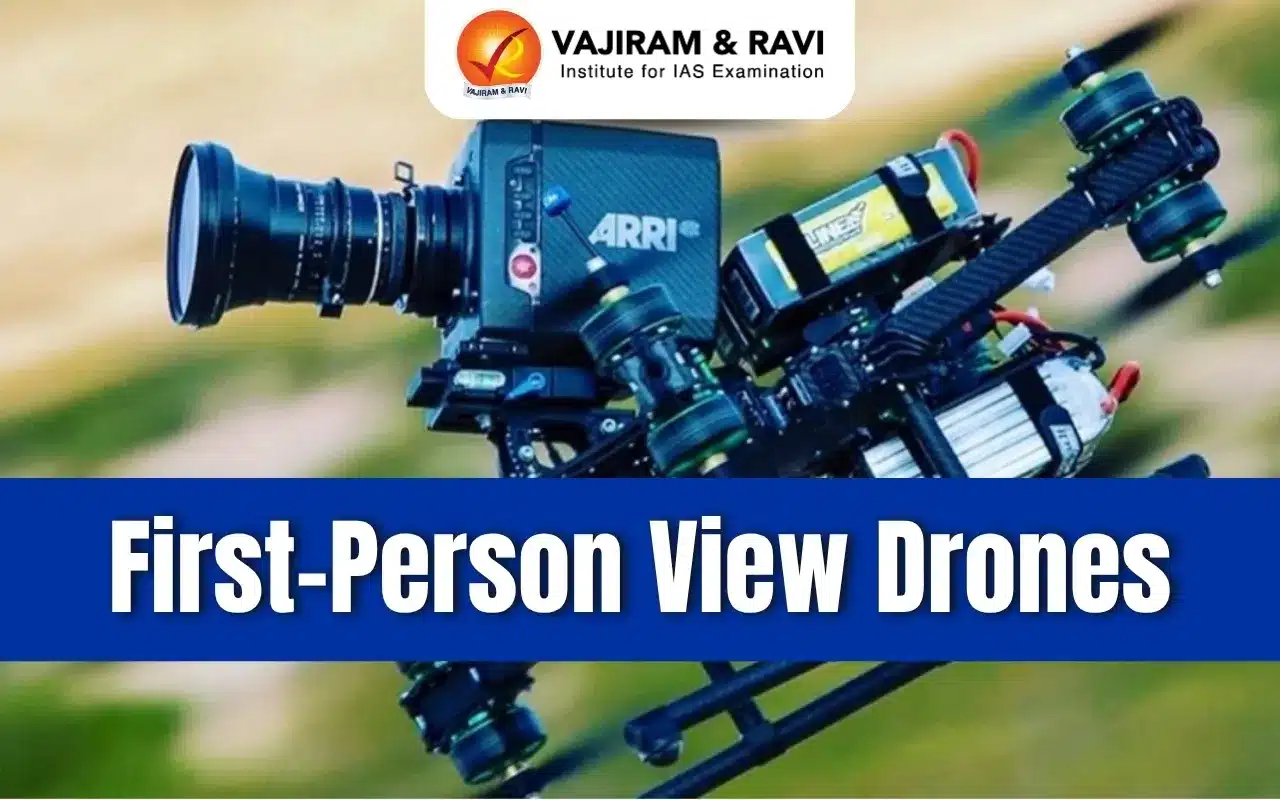
Olympic Broadcasting Services has rolled out first-person-view drones across Milano Cortina 2026 to deliver live chase-cam footage and immersive angles that broadcasters say will redefine how fans experience speed sports. OBS and production partners are pairing goggle-based pilot workflows with low-latency transmission to push viewers into the athlete’s line of motion.
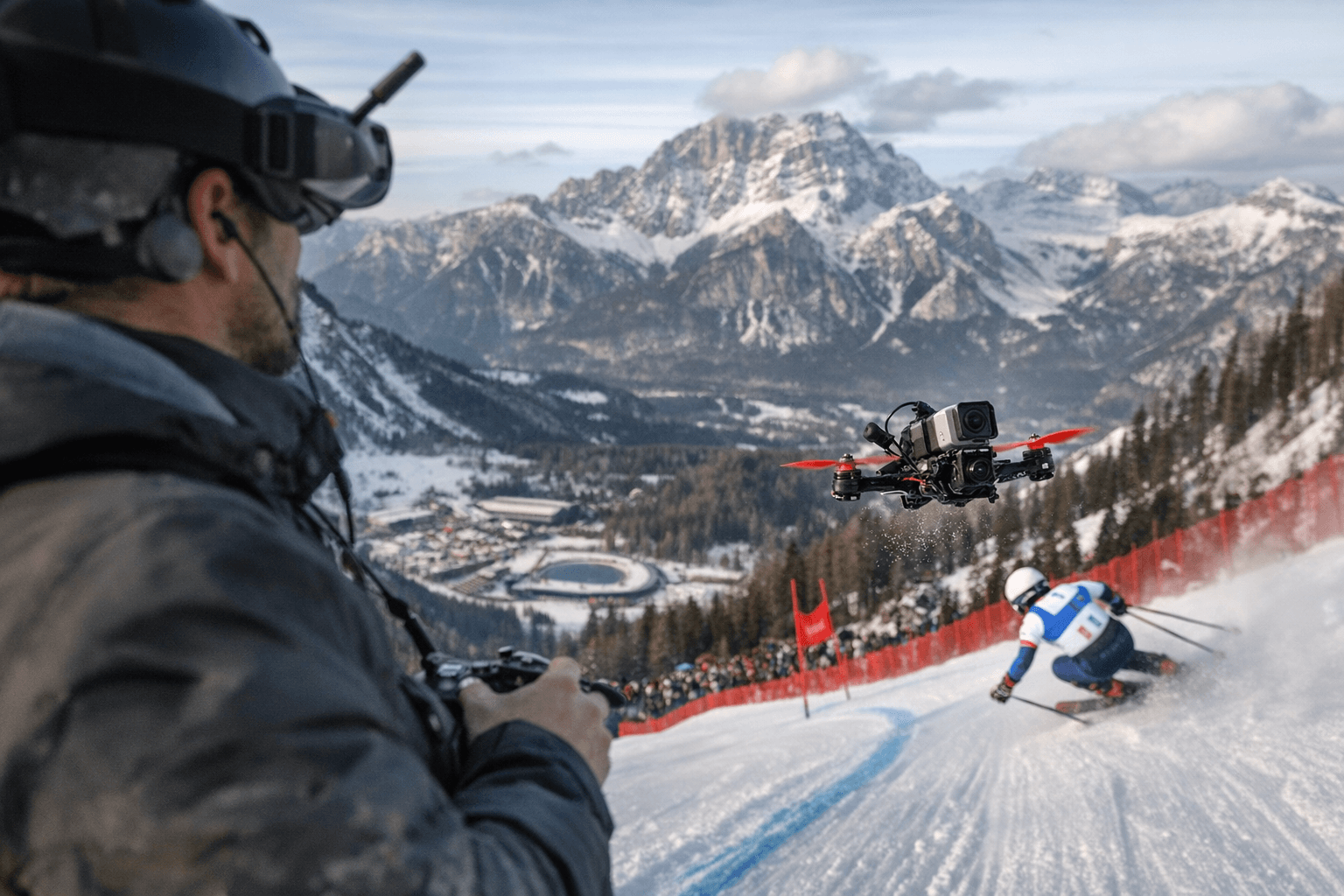
OBS leadership framed the move as a production milestone. Yiannis Exarchos, managing director of Olympic Broadcasting Services and executive director of Olympic Channel Services, said, "In Milano Cortina, people will have unprecedented experiences." NBC Olympics reported that OBS deployed a fleet of 25 FPV drones across almost every outdoor high-speed event; SportsVideo described Milano Cortina as the FPV Winter Games debut with as many as 15 drones across venues; CA Sports and Yahoo put the number at "over 25 specialized aircraft." The differing counts and speed figures exist in coverage, with NBC Olympics noting follow-cam capability "up to 75 miles per hour" while CA Sports and Yahoo described tailing speeds "up to 140 kph."
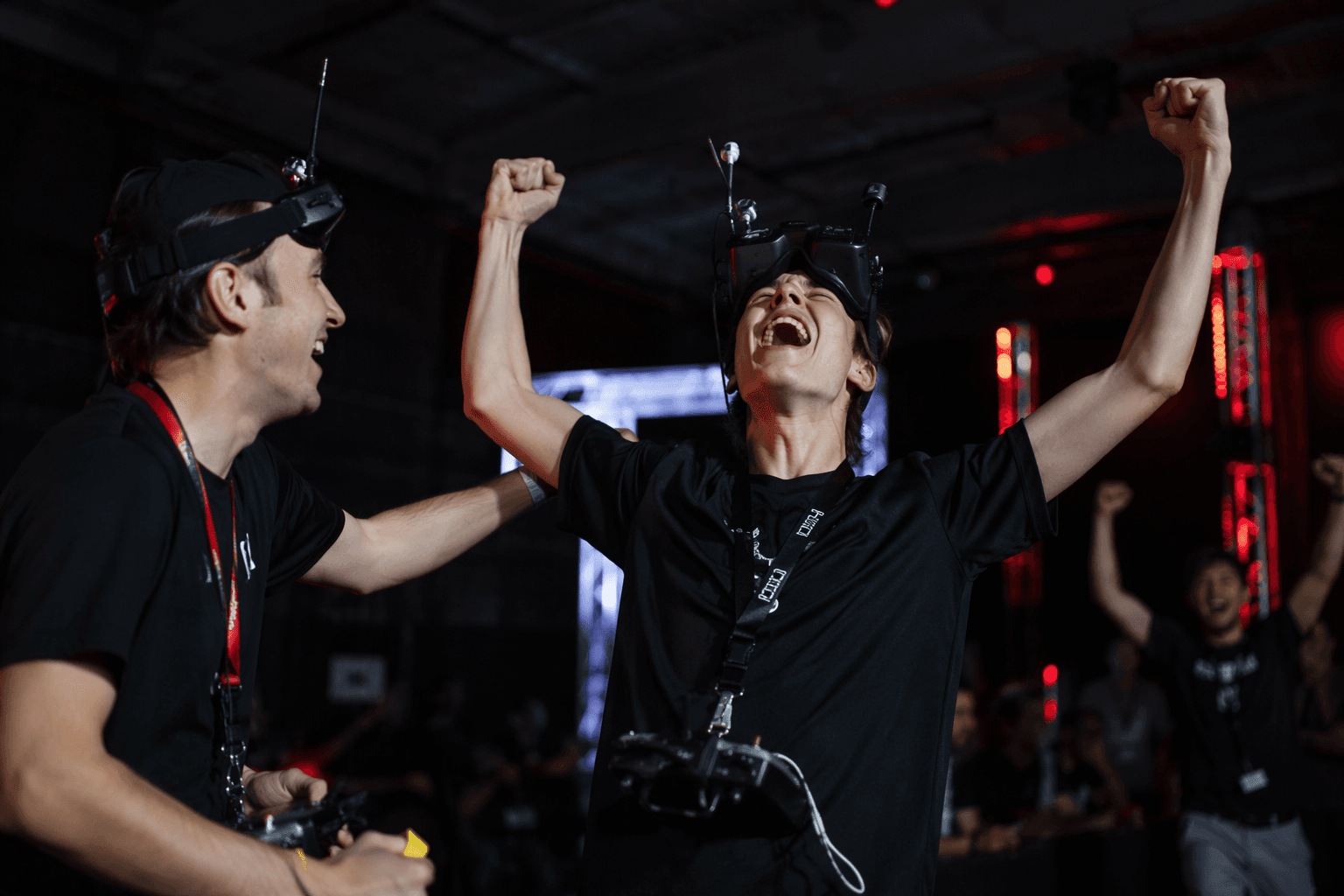
Technically, FPV is built around a goggle-based pilot workflow that streams images from onboard cameras in real time. NBC New York showed how pilots wear immersive goggles and demonstrated dramatic flights by a Queens vendor, SkyTechOne, including a high-speed run inside the New York Public Library and tight turns inside an apartment. "So FPV is a type of drone where the pilot wears goggles similar to this," Chu said, holding up a headset and noting the fully immersive flying experience. News 4 reporter Gus Rosendale reacted to the indoor demo: "This is very surreal." Pilot Demian Neufeld added perspective on advancement, saying, "Four years ago, the technology wasn't there."
Production crews are integrating FPV with conventional aerials, 360-degree replay and AI-driven tools to deepen storytelling. SportsVideo described OBS’s visual strategy as centered on "Movement in Sport," using FPV footage in downhill skiing, luge and Snow Park to let viewers not just see but feel speed. Industry voices emphasize the broadcast-quality promise: SportsVideo and NBC Olympics both cited low-latency, broadcast-quality transmission as central to live use.
Reaction has been mixed. Fans and critics have noticed the sensory presence of the drones, with The Sporting News describing a "constant, high-pitched hum" across venues and CA Sports and Yahoo reporting debate among purists over an "intrusive buzz" echoing through mountain valleys. Production staff push back with creative intent; one production figure identified as Wallace said, "The aim is to inspire, to educate, and to consistently deliver the Olympic 'wow factor' that audiences expect."
For viewers, FPV means a new standard of immersion for speed events and a shift in how directors build race narratives. For broadcasters and rights holders, the rollout tests operational scale, airspace management and audience appetite. As Milano Cortina continues, expect further technical tuning, ongoing debate about venue noise, and wider adoption of chase-cam FPV storytelling in winter sport coverage.
This article was produced by Prism’s automated news system from verified source data, official records, and press releases, then run through automated quality and moderation checks before publishing. The system is built and supervised by the people who set the standards it runs under. Read our full AI policy.
Did this article answer your question?