Ohio High School Drone Teams Compete at Canfield, Building Careers in FPV Racing
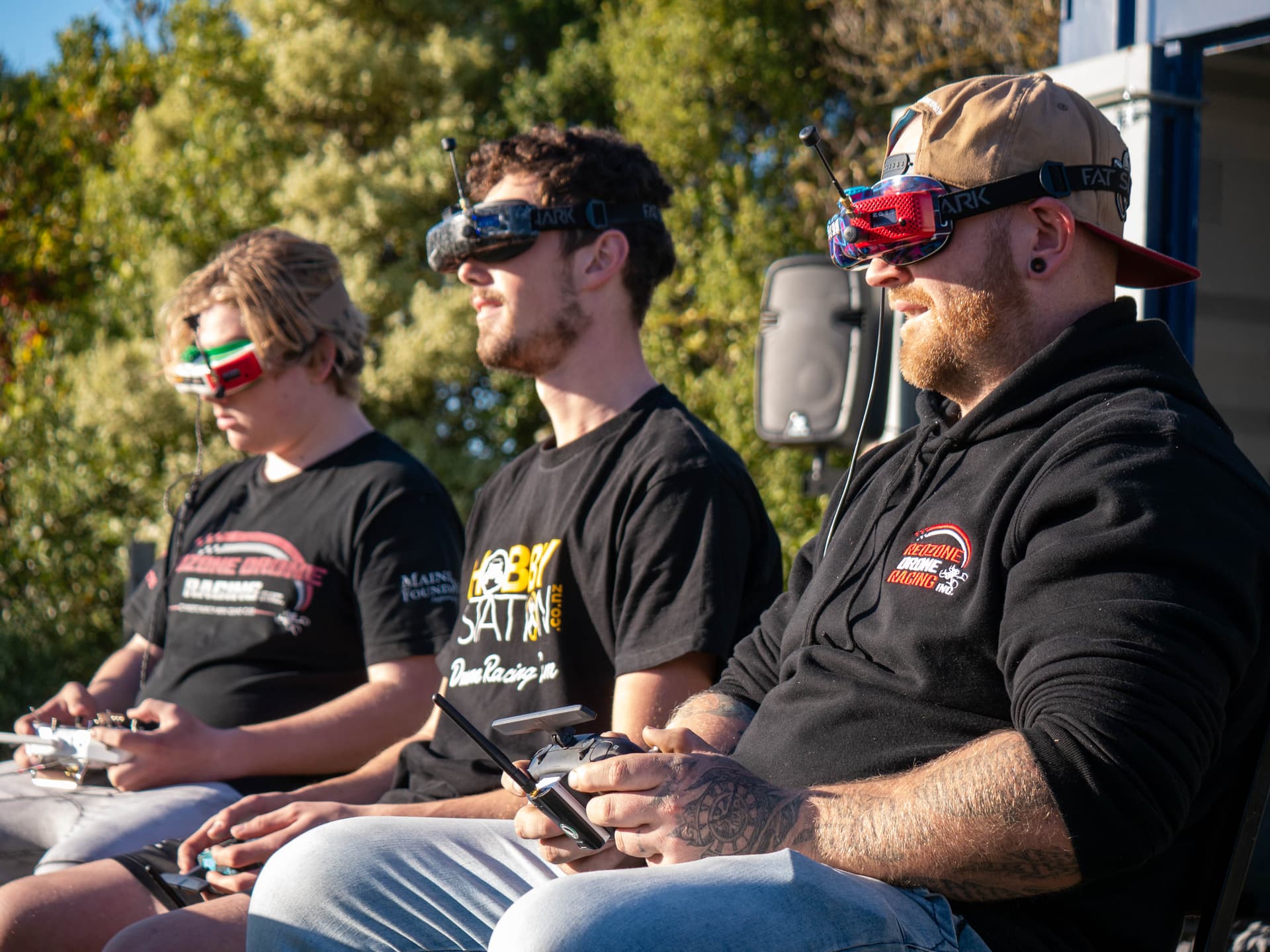
Canfield senior Caleb Knipp already holds a Part 107 commercial drone license while competing for MCCTC, which finished second in alliance matches and advanced to regionals at Kettering.
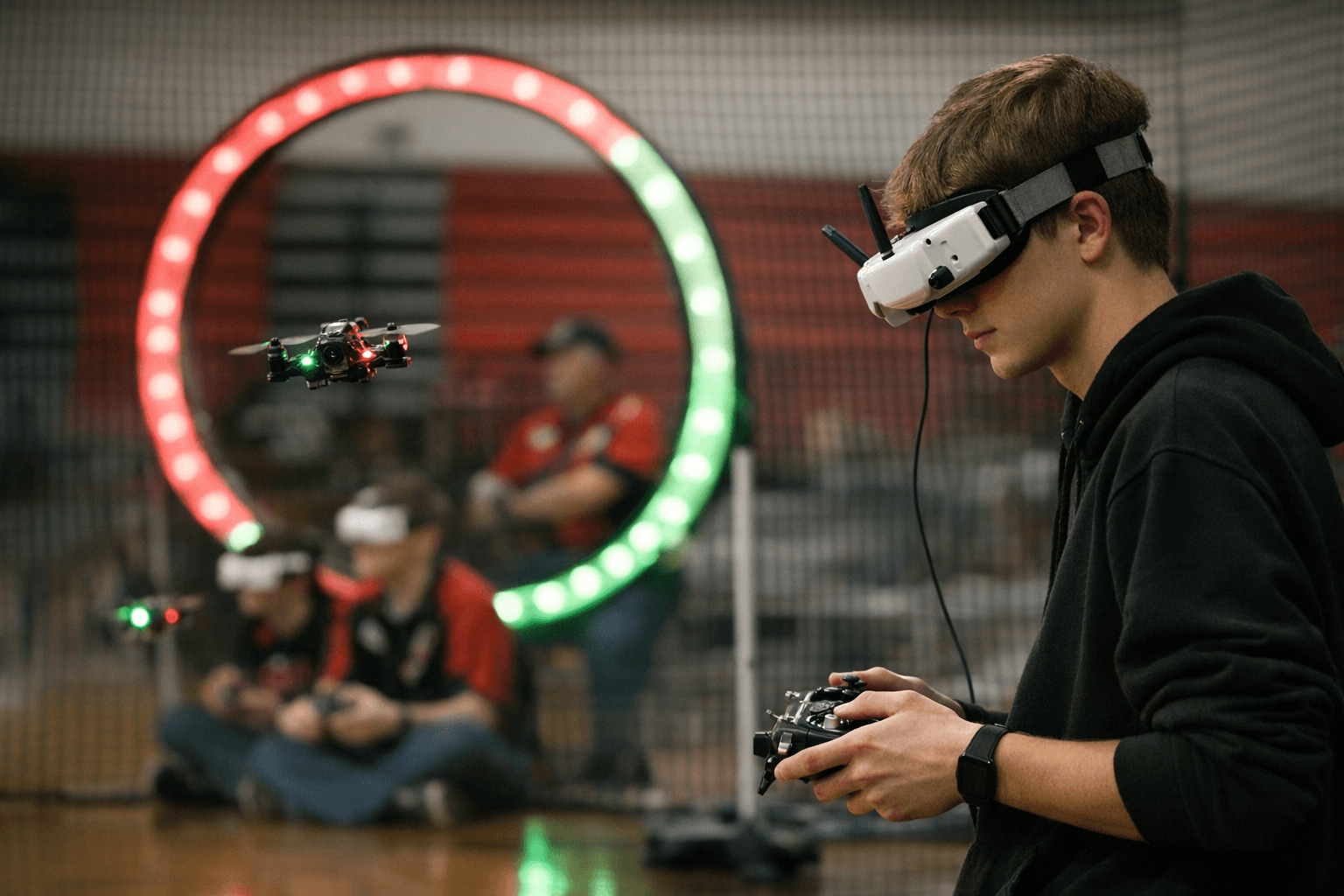
Three students from Jackson-Milton High School walked into the Mahoning County Career and Technical Center in Canfield on March 13 with foam balls, scoring zones, and a four-year program behind them. They left with a regional berth.
The aerial drone meet, part of the Robotics Education and Competition Foundation Aerial Drone Program, drew teams from Cleveland, Columbus and Dayton to compete at MCCTC. For the host squad, coached by Walter Baber and Rachel Naylor, it was another step in a competitive arc that has been building since the program launched four years ago.
MCCTC's three-pilot team, senior Caleb Knipp and juniors Vance Kinnick and Andrew Morris, all from Jackson-Milton, finished second in alliance matches and placed in the middle of the pack on skills scores. That combination was enough to advance to the regional competition at Kettering University in Michigan, an event that draws teams from 10 U.S. states and three Canadian provinces. The first time MCCTC competed at that regional level, the team finished second. They are not rebuilding; they are reloading.
The scoring format demands more precision than it might look on paper. Kinnick explained that pilots must move small foam balls into designated scoring zones while also clearing those balls out of drop zones, and can earn additional points by landing on specific field zones within a set time window. Every task requires spatial awareness, throttle control, and the ability to read a dynamic field while flying under pressure.
The stat that separates this program from a typical high school club is what Knipp brought to the gym that day beyond his controller. As a senior, he has already earned his FAA Part 107 commercial drone pilot certificate, the license required to fly drones professionally for pay. He is not waiting for a diploma to start a career in drone aviation; he already has the credential that working pilots need.
That pipeline from scholastic competition to professional certification is exactly what programs like MCCTC's are designed to accelerate. The drone industry has fewer legacy hiring pipelines than aviation or robotics, which means students who arrive at the workforce with both competition experience and a Part 107 in hand are genuine candidates for commercial work, not just applicants who took a class.
MCCTC's next test comes at Kettering University, where the field will expand well beyond Northeast Ohio. Based on what this team did in Canfield, that stage will not be unfamiliar territory.
Know something we missed? Have a correction or additional information?
Submit a Tip