Paris Drone Soccer Open draws 52 pilots from six countries
USA Team 2 topped a 14-team Paris field as drone soccer's enclosed, 3-on-3 format showed FPV pilots a new path beyond lap racing.
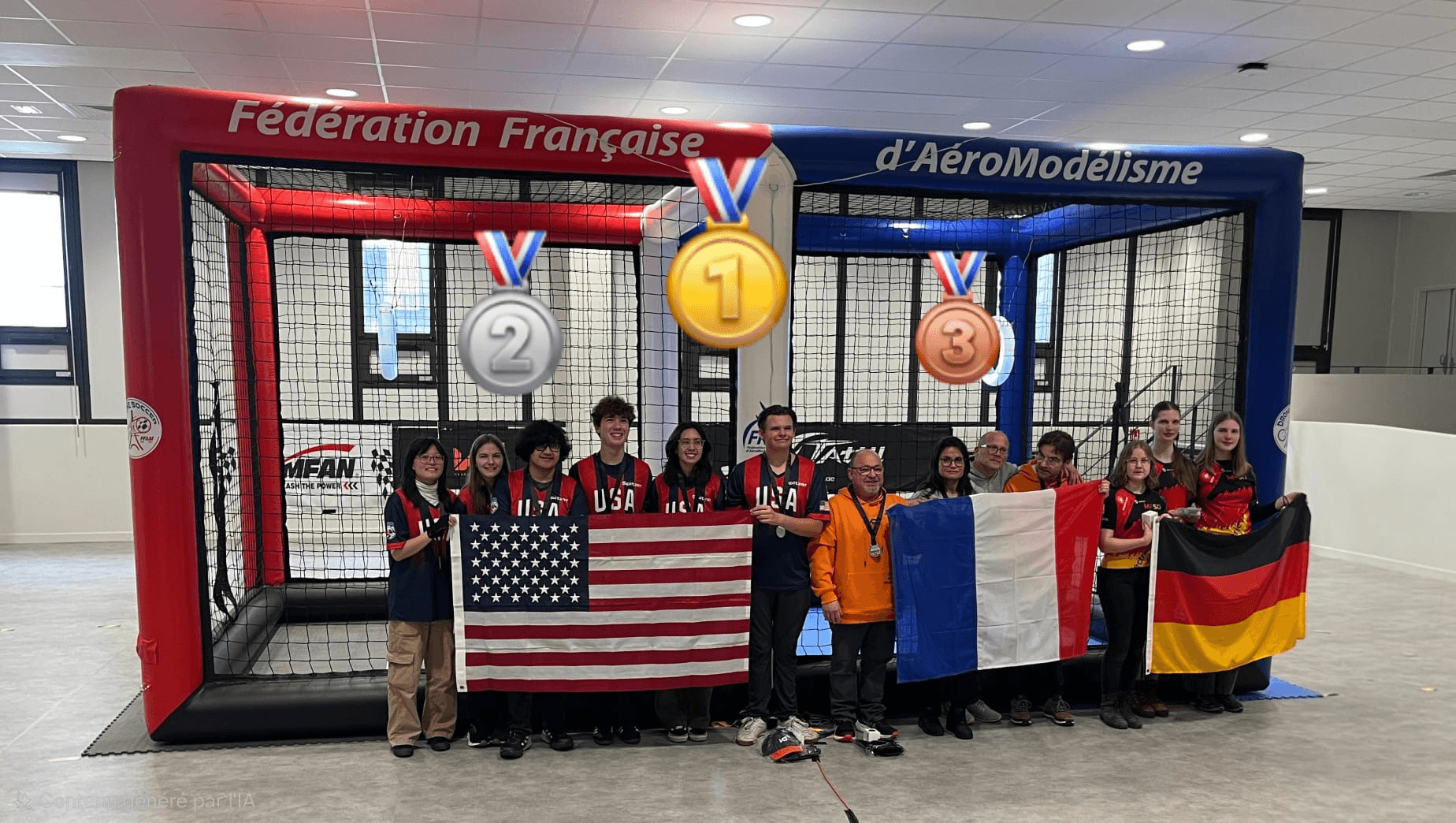
USA Team 2 turned the first Paris Open International Drone Soccer F9A-B into a U.S. podium sweep, finishing with 14 points ahead of USA Team 1 on 13 and France 1 on 12. In a sport built around collisions, quick resets and split-second team positioning, the result underscored how fast drone soccer is becoming more than a curiosity on the FPV calendar.
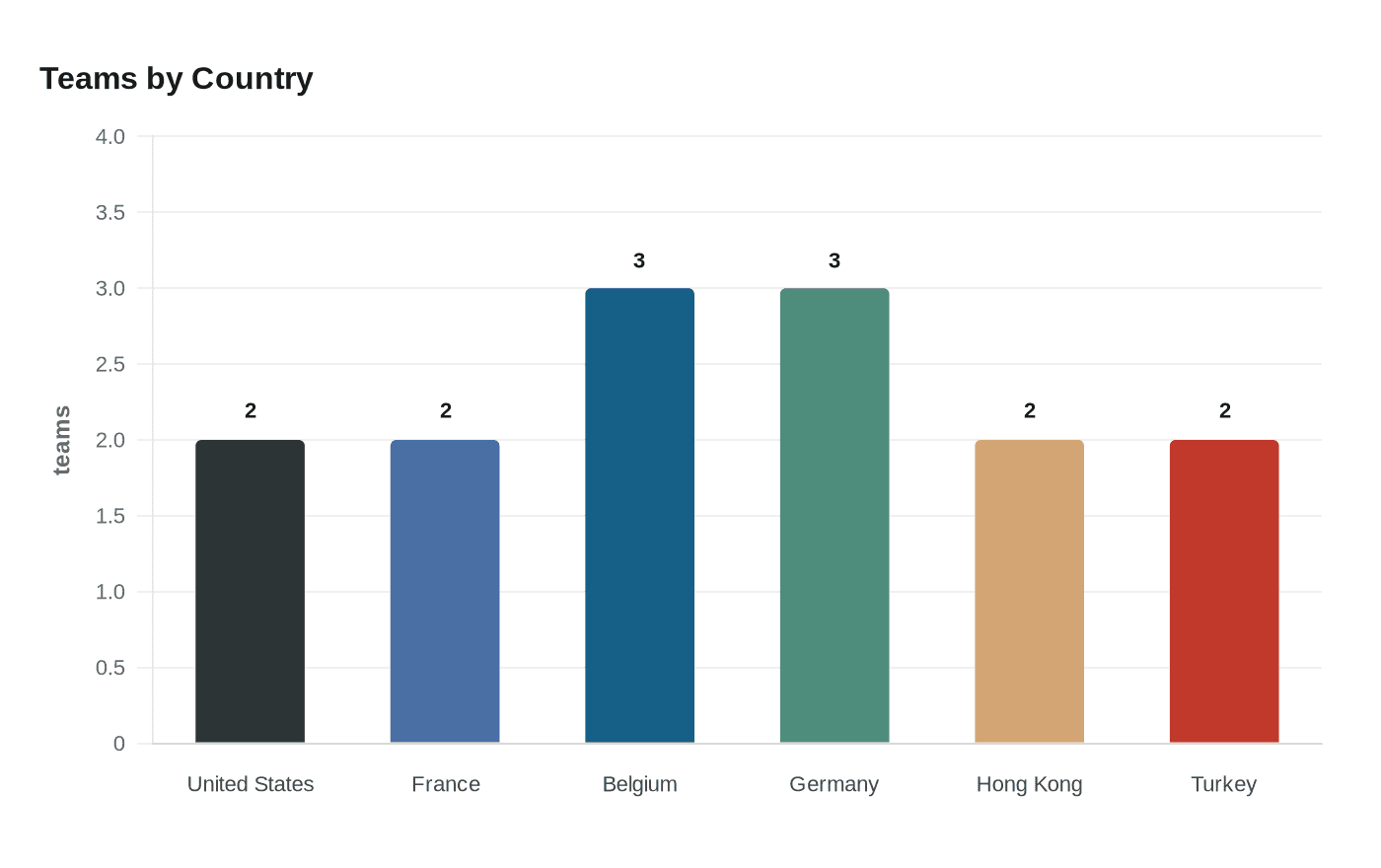
The event ran April 4-5 at ICAM in Lieusaint and was organized by Sénart Multirotor Racing as the first international Paris Open in the F9A-B class. The field brought together 14 teams and 52 pilots from six nations, with entries from the United States, France, Belgium, Germany, Hong Kong and Türkiye. The national spread was narrow but meaningful: the United States and France entered two teams each, Belgium and Germany three each, and Hong Kong and Türkiye two each.
The numbers around the pilots told their own story. The youngest official competitor was 10 years old and the oldest was 64, with an average age of about 21. The field included 38 men and 14 women, a mix that reflected how indoor drone competition can bridge youth development and veteran experience in the same arena.
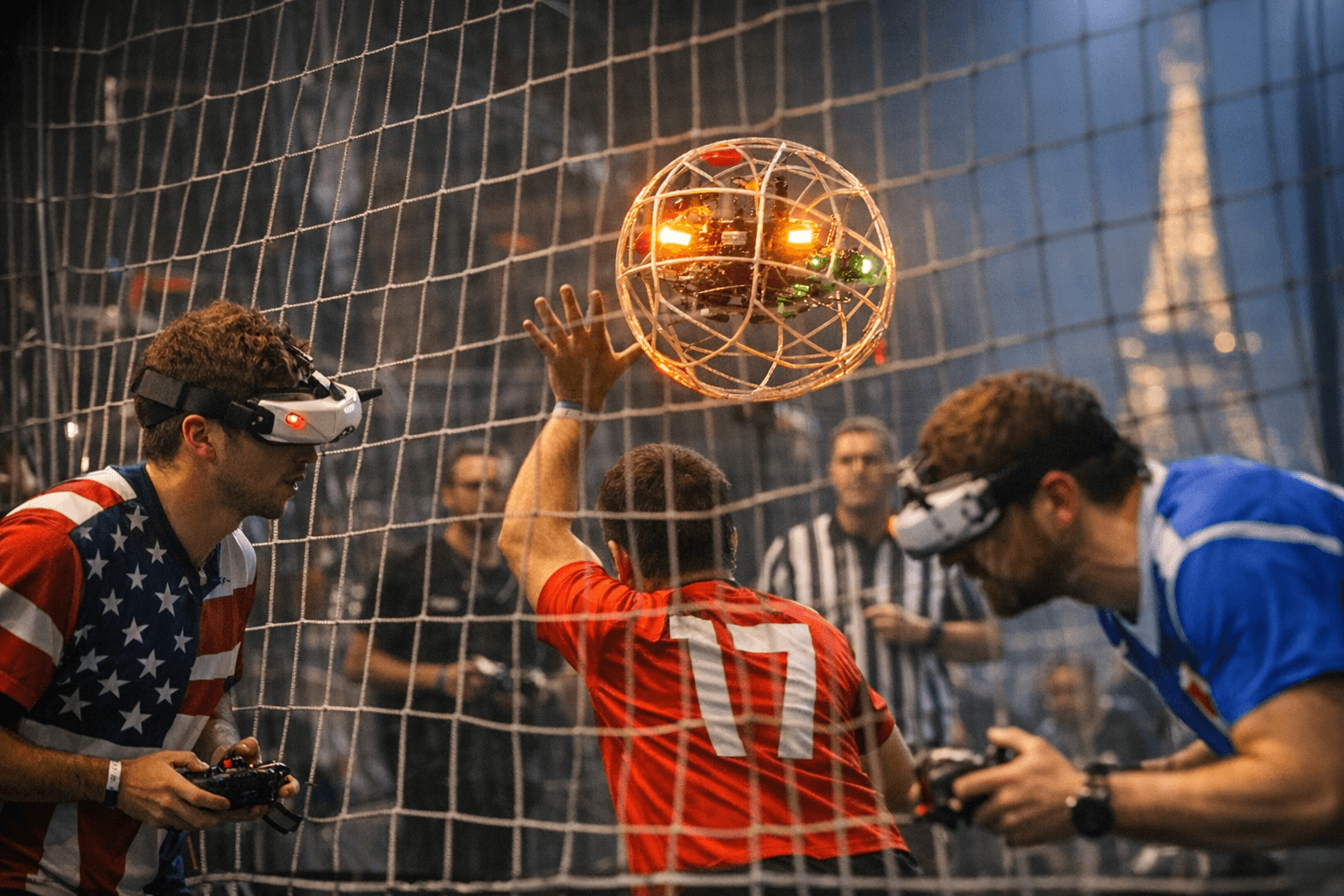
Drone soccer is played in an enclosed 3-meter by 6-meter arena and, under FAI rules, uses three to five active players per side, with one designated striker as the only pilot who can score. The Paris Open ran as a 3-on-3 event under the 2026 FAI Drone Soccer International Series, with matches built around best-of-two winning sets and three-minute periods. That format changes the job description for pilots used to open-air FPV racing. In drone soccer, control, contact management and coordination matter as much as raw speed.
Sénart Multirotor Racing’s bulletin set the competition structure for Saturday’s arrival, registration, technical inspection and group matches, followed by semifinals, finals and prize giving on Sunday. The registration fee was €50 per F9A-B team, and teams could enter up to five players.
Gemfan highlighted the hardware demands of the format, saying repeated impacts make propeller durability and consistency critical. The company pointed to its F9A-B prop line, including the 2826, DYH2828, 3024 and 3029, as suited to the hard contact and constant directional changes of indoor play.
The broader takeaway from Paris is hard to miss: drone sport is no longer only about lap times. With national teams, age diversity, a defined championship structure and equipment choices that reward resilience as much as speed, drone soccer is carving out a serious parallel track for pilots, sponsors and fans.
This article was produced by Prism’s automated news system from verified source data, official records, and press releases, then run through automated quality and moderation checks before publishing. The system is built and supervised by the people who set the standards it runs under. Read our full AI policy.
Did this article answer your question?