Penang Hosts First MultiGP Whoop Race Under 65/75mm 1S-2S Rules
Penang held its first MultiGP Whoop Race under 65/75 mm 1S-2S rules, expanding regional access to whoop racing and testing small-frame performance and video systems.

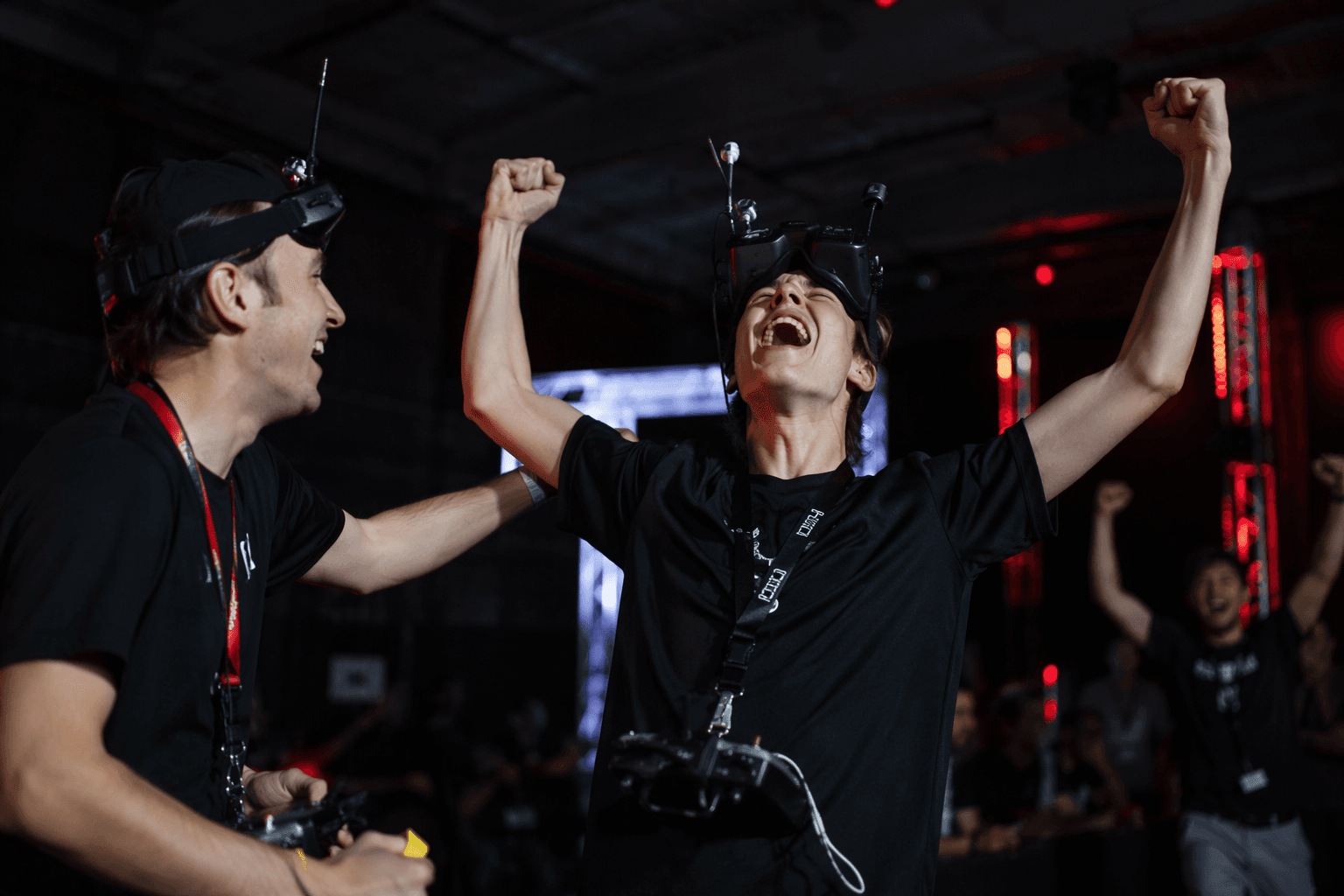
Penang hosted its first MultiGP Whoop Race under the 65/75 mm whoop rules, a chapter-level event that ran on January 29, 2026 and highlighted the growing appetite for organized micro drone competition in Southeast Asia. The event ran to Whoop class specifications: 65/75 mm frames, 1S or 2S power, analog or HDZero video allowed, and raceband transmitters limited to 25 mW raceband power.
Organizers set up tight gate sequences and short straights to favor whoop-style handling, producing fast lap transitions where pilot finesse mattered more than outright top speed. The 1S machines showed smoother, more predictable cornering and extended motor life, while 2S whoops delivered noticeably sharper punch off the gate and tighter time splits on straights. The mixed-power field forced pilots to refine throttle control and line choice, turning battery selection into a tactical variable rather than a single best practice.
Allowing both analog and HDZero created an interesting equipment dynamic. HDZero rigs offered clearer, crisper feeds that helped pilots pick optimal lines in low light, while analog setups maintained resilience through tight, metal-heavy environments. The 25 mW raceband limit kept RF interference manageable but required careful channel coordination during heats. Those equipment choices underscored an industry shift: as HDZero adoption grows, organizers are balancing better picture quality against the established robustness of analog systems.
Beyond flying, the event underscored several business and cultural trends. Local hobby shops and parts suppliers reported higher demand for 65/75 mm frames, micro 2S packs, and HDZero components after the event, suggesting a supply-chain ripple into the region. For Penang, a city with a strong electronics and maker culture, the race offered a visible outlet for youth and tech communities to converge around STEM skills and small-scale engineering. MultiGP’s format provided a turnkey competition structure that local chapters can replicate, reducing the barrier to hosting future races.
Socially, the whoop format remains an accessible introduction to racing without the louder noise and larger safety footprints of full-size quads. That accessibility helps broaden the pilot base, bringing in younger flyers and newcomers who might not otherwise enter organized racing. The event’s success in Penang signals a pathway for more chapter races across Malaysia and neighboring countries, creating a feeder system for larger national and international competitions.
What comes next is consolidation: pilots will refine 1S and 2S tuning, local vendors will stock more micro components, and organizers will likely run follow-up whoop events to build leaderboards and regional rivalries. For pilots and fans in Penang, the January race was more than a one-off meet; it was a practical demonstration that compact, regulated whoop racing can take root and grow in new markets.
This article was produced by Prism’s automated news system from verified source data, official records, and press releases, then run through automated quality and moderation checks before publishing. The system is built and supervised by the people who set the standards it runs under. Read our full AI policy.
Did this article answer your question?