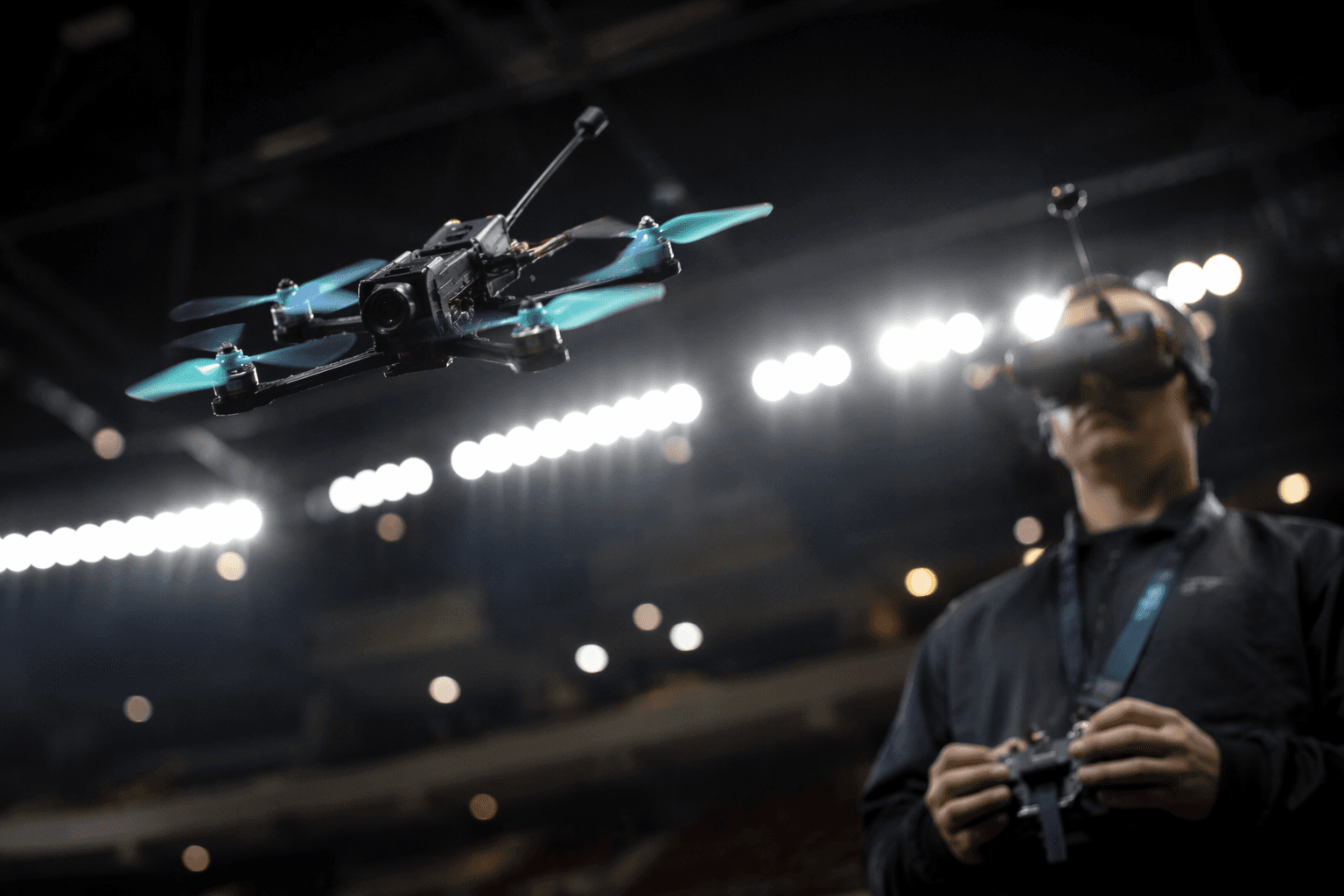
Philippine Army drone races spotlight push for military training shift
Camp Capinpin turned drone racing into tactical training, with Army units flying FPV courses after a Philippine ace finished 11th of 76 in Sydney.
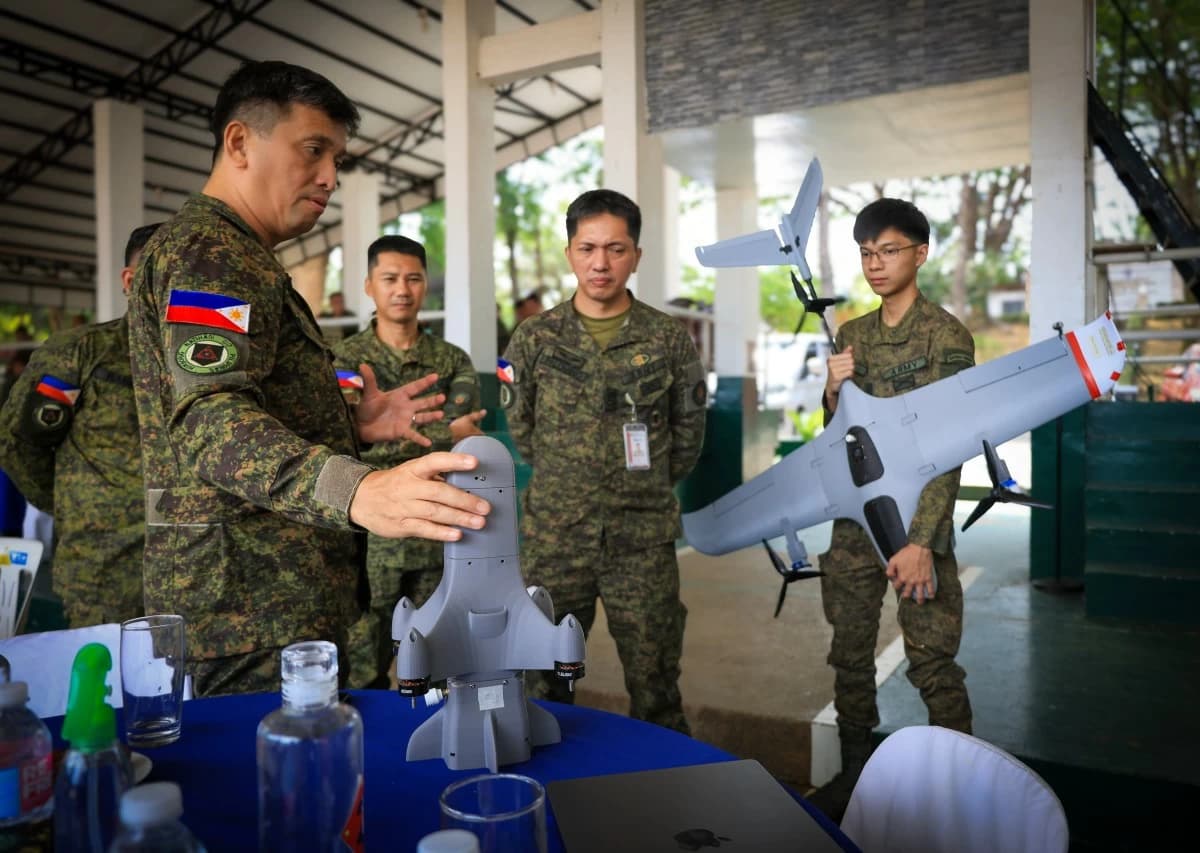
At Camp General Mateo Capinpin in Tanay, Rizal, the Philippine Army turned Drone Racing Fellowship 2026 into something closer to a proving ground than a show. The 2nd Infantry Division brought in personnel from the First Scout Ranger Regiment, Special Forces Regiment (Airborne), Light Reaction Regiment, Reserve Command and Explosive Ordnance Disposal teams, then put them through track walkthroughs, practice flights, qualifying rounds and aerial obstacle courses built to test precision under pressure.
Major General Ramon P. Zagala, who commands the division, used the fellowship to press a bigger point: drone skill is no longer optional. The Army is treating FPV flying as an operational capability, not a novelty, and that message landed harder because the service has already produced competitive results on the international stage.

In Sydney on March 14, a Philippine Army drone ace finished 11th overall out of 76 elite pilots in the final round of the Military International Drone Racing Tournament. That result came after Army drone aces prepared from March 11 to 15 for the Australian Army-hosted event, and the service said it showed the growing competence of its unmanned aerial systems operators.
The appeal of race-course training is easy to see. The same hand-eye coordination that keeps a pilot clean through a tight gate can help a soldier hold a stable line for reconnaissance, surveillance, targeting or battlefield coordination. In military use, speed matters, but so does calm control, and that is exactly what an FPV race line trains. The drills at Capinpin were designed to mirror that stress, where one bad move can end a run.
The Army’s drone push did not start in Tanay. Its own drone team grew out of Zagala’s initiative to recruit and train expert pilots as unmanned systems reshaped modern warfare. During Salaknib 2026, Philippine Army and U.S. Army Pacific personnel trained with FPV drones and practiced integrating real-time aerial surveillance into ground tactical decisions, tying the race program to a wider modernization effort under the Army’s Land Domain Transformation and Self-Reliant Defense Posture campaign.
That makes the takeaway bigger than one fellowship. Camp Capinpin gave the Philippine Army a fixed home base for testing who can fly, who can learn and who can handle pressure fast. If the Sydney result was proof of concept, the Tanay event looked like the beginning of a pipeline, one that could change how drone-racing talent is recruited, trained and valued in the Philippines.
This article was produced by Prism’s automated news system from verified source data, official records, and press releases, then run through automated quality and moderation checks before publishing. The system is built and supervised by the people who set the standards it runs under. Read our full AI policy.
Did this article answer your question?