Polish FPV Pilots Hit 650 km/h, Sparking Battlefield Tech Comparisons
Polish FPV pilots crossed 650 km/h on custom-built quadcopters designed for pure speed; the viral footage triggered Ukraine war comparisons the creators flatly reject.
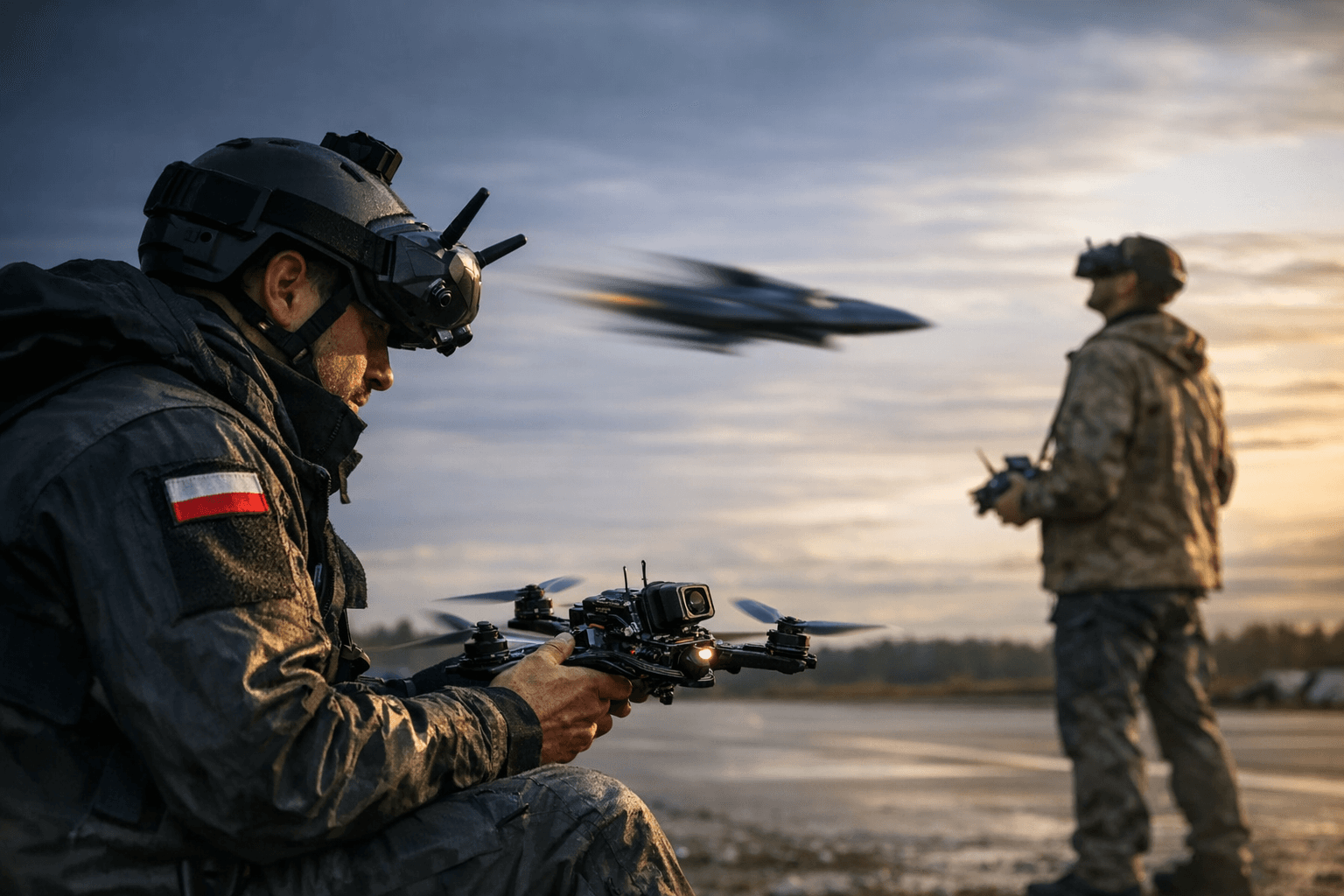
Cracking 650 km/h on a quadcopter demands a machine that has almost nothing in common with the gate-racing hardware most FPV pilots fly on weekends. Polish enthusiasts have built exactly that, posting footage of runs above that threshold to YouTube, where hundreds of thousands of views arrived alongside a flood of questions about Ukraine they had no interest in answering.
The creators' position is unambiguous: the project is about engineering and sport, full stop. That framing barely slowed the commentary. As their quadcopters exceed 650 km/h and videos draw hundreds of thousands of views, the conversation quickly shifts to Russia's war in Ukraine. The comparison carries real technical weight even if it misreads the intent, because Ukrainian air defenses are increasingly confronting Shahed-type drones modified with turbojet propulsion, and while civilian experimental platforms like these are not weapons, they demonstrate that quad-rotor designs are no longer inherently slow.
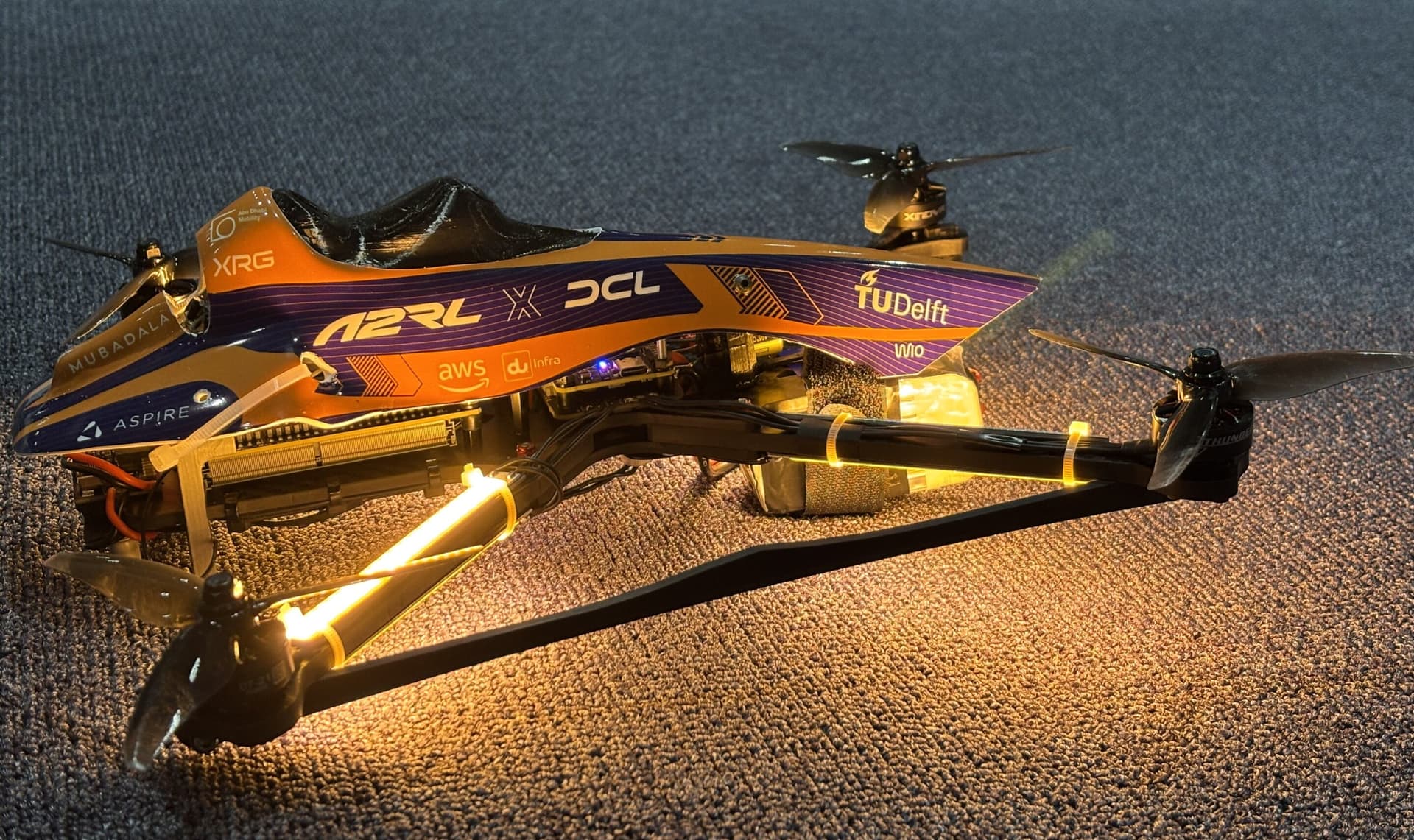
To understand what 650 km/h actually costs in engineering, consider the precedent set by comparable builds. At 585 km/h, one documented build was pulling up to 16 kW of power, enough to overheat ESCs so badly that one caught fire, forcing builders to use custom aluminium heatsinks and even a water-cooling system. Prop pitch and diameter get pushed to the aerodynamic limit; motor KV ratings climb well past what any race-legal spec sheet allows; battery chemistry shifts toward the highest-discharge lithium polymer cells available, with cell count rising to sustain voltage under load spikes that would sag a standard race pack into a brownout. The airframe itself sheds everything not directly serving straight-line penetration, trading the compact, crash-survivable geometry of a 5-inch racer for a low-drag profile optimised purely for terminal velocity.
Speed measurement on these runs relies on onboard GPS telemetry rather than Guinness-certified methodology. The official record bar remained at 658 km/h as of February 2026, with Guinness representatives absent from some of the fastest recent attempts, meaning certain claimed peaks exist only as telemetry figures. That distinction matters when evaluating competing claims. As recently as April 2025, the Guinness World Record holder was Samuele Gobbi, a student at the Fribourg School of Engineering and Architecture, who set the record at 557.64 km/h. The acceleration since then has been steep: Luke and Mike Bell had clocked 480 km/h in mid-2024 and 585 km/h in late 2025 before their Peregreen V4 pushed the official mark to 657.59 km/h.
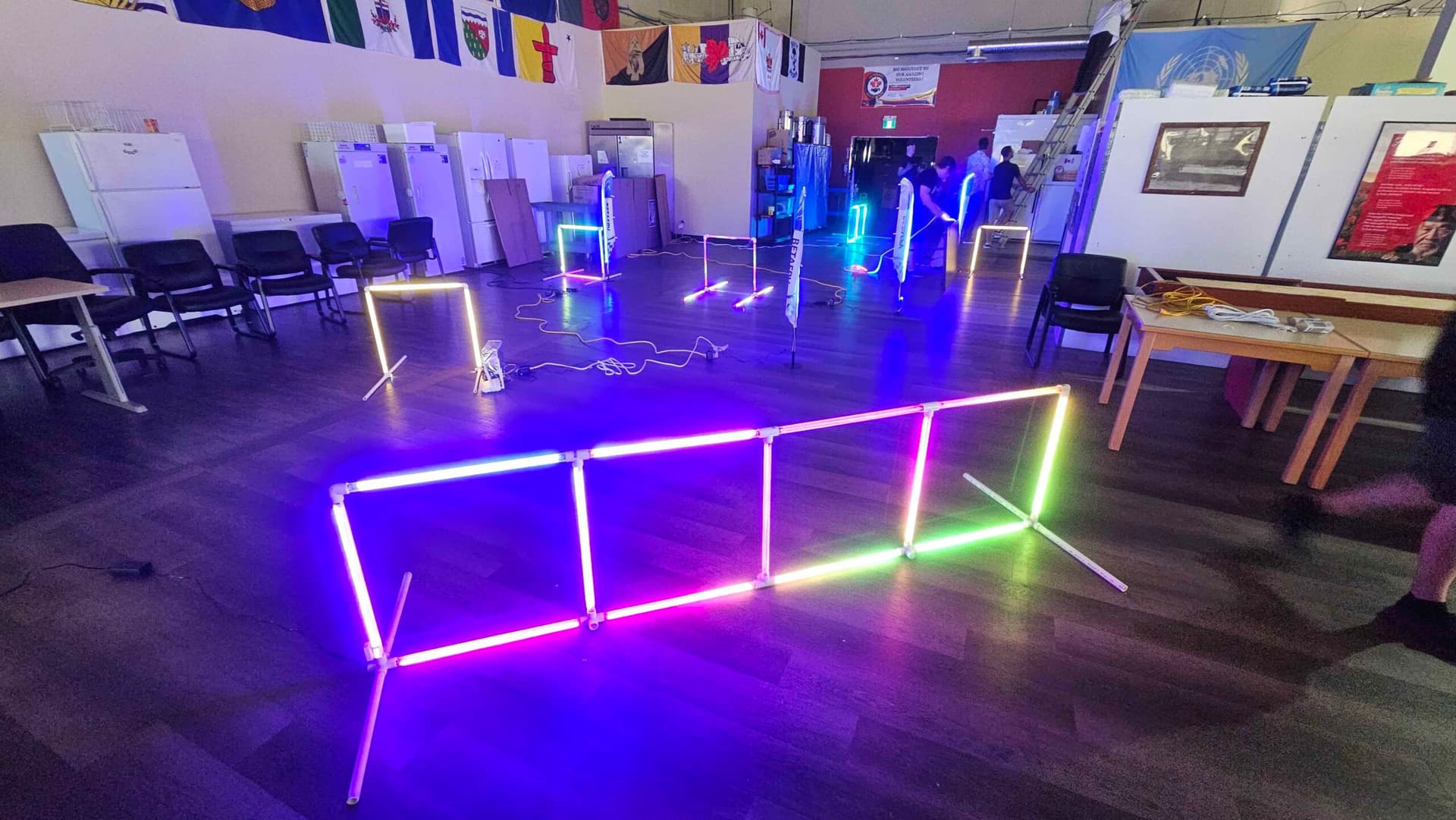
The gap between those numbers and Drone Racing League competition speeds is cavernous. Race-legal hardware in sanctioned gate-racing formats is built for agility and repeatability through technical courses, not terminal velocity on a straight pass; competitive race drones typically operate at a fraction of these record speeds under actual race conditions. The record-run machines are single-purpose test articles, not circuit drones with the prop clearance, durability margins, and radio latency budgets that gate navigation demands.
What racers can legitimately borrow sits in two areas. Aerodynamic shaping at this level, specifically function-over-form fairing design that reduces frontal drag without sacrificing structural rigidity, translates directly to gate-racing builds where top-end acceleration through straights determines split-second position gains. Thermal management is the other transferable lesson: the water-cooling and heatsink engineering developed for extreme builds has already begun influencing how competitive builders approach ESC mounting and airflow routing on race frames. What does not transfer is the powertrain tuning itself, where motor KV and battery discharge rates have been optimised so far outside race-legal parameters that importing those choices would mean leaving the sport's regulatory structure entirely. The Polish pilots pursuing 650 km/h are doing something genuinely significant for FPV engineering. The battlefield conversation their videos generate is a separate problem, one that faster quadcopters alone will not resolve.
Know something we missed? Have a correction or additional information?
Submit a Tip