Purdue Drone Racing Team and NDS Turn Practice Into VelociDrone Simulator Showdown
Purdue students converted a club practice into a VelociDrone simulator race on Feb 24, 2026, when the Purdue Drone Racing Team and Purdue National Defense Society hosted the NDS Drone Racing Sim Competition.

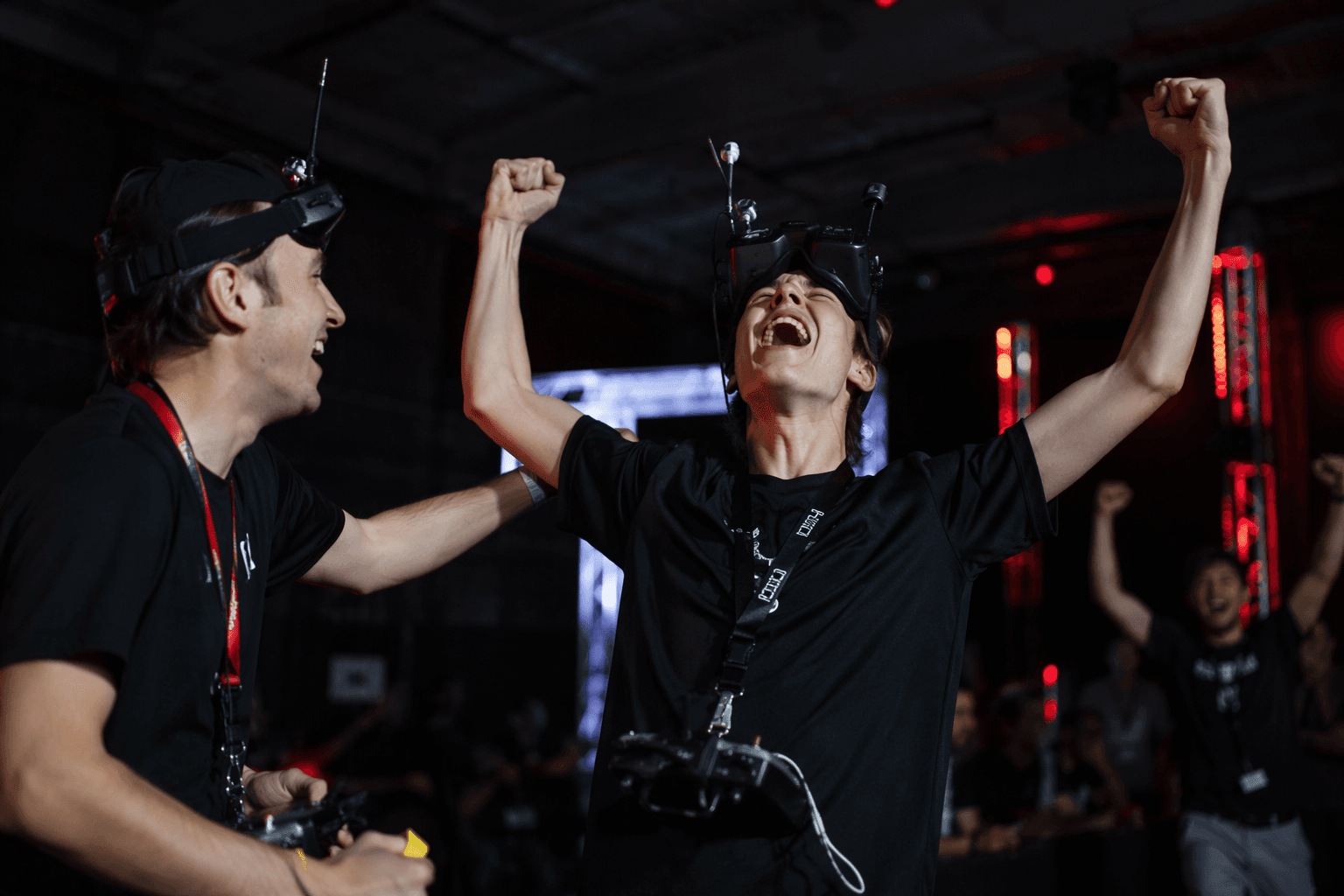
What began as a routine campus club practice turned into a packed VelociDrone simulator showdown on Feb 24, 2026, when the Purdue Drone Racing Team (PDRT) and the Purdue National Defense Society (NDS) ran the NDS Drone Racing Sim Competition for Purdue students. Organizers pivoted from hands-on quad runs to a high-energy simulated format using VelociDrone, delivering a competition atmosphere inside campus lab space rather than on an outdoor course.
PDRT and NDS framed the event around student accessibility and rapid iteration: pilots logged laps in VelociDrone to test lines and reaction drills without needing physical battery swaps or field setup. The event name, NDS Drone Racing Sim Competition, signaled the National Defense Society’s role in bringing simulator training to a student audience and converting practice time into formal race structure on campus.
This sim-focused meet aligns with what recent reader-engagement analysis favors: concise, experience-first coverage. Short pieces in the 350-460 word range that emphasize novelty and usability outperformed long procedural manuals in the metrics; an A/B comparison showed a Flywing X-Wing feature scored 0.73 while a long "Complete Hands-on Guide to Building Competitive FPV Drone Racers" scored 0.00 despite 56% topic overlap. The takeaway for pilots and club leaders is clear: highlight the race experience and practical takeaways rather than sprawling step-by-step technical guides.
VelociDrone’s use here also reflects a broader industry trend toward simulation as skill development and outreach. Purdue students used the sim to practice start gates, throttle control, and course memorization, compressing hours of physical practice into repeatable virtual sessions. The NDS-hosted format suggests student defense organizations are positioning simulator events as both competition and recruitment tools, bridging collegiate extracurriculars with skills useful to engineering and aerospace pathways.
There is a measurable audience behavior challenge tied to events like this: analysis shows 100% of readers only view without sharing or commenting, which points to a missed opportunity to amplify campus events beyond on-site attendance. Pairing on-campus sim races such as the Feb 24 NDS Drone Racing Sim Competition with concise, shareable storytelling that foregrounds first-person experience could convert passive viewers into active promoters.
Looking ahead, expect more campus clubs to adopt VelociDrone-style meetups after the Feb 24 event, with PDRT and NDS likely to iterate on format and scoring to sharpen competitive value. The immediate impact is practical: students left the session with more laps logged and less logistics overhead, and Purdue’s sim experiment provides a replicable model for other collegiate programs aiming to turn practice into measurable racing performance.
This article was produced by Prism’s automated news system from verified source data, official records, and press releases, then run through automated quality and moderation checks before publishing. The system is built and supervised by the people who set the standards it runs under. Read our full AI policy.
Did this article answer your question?