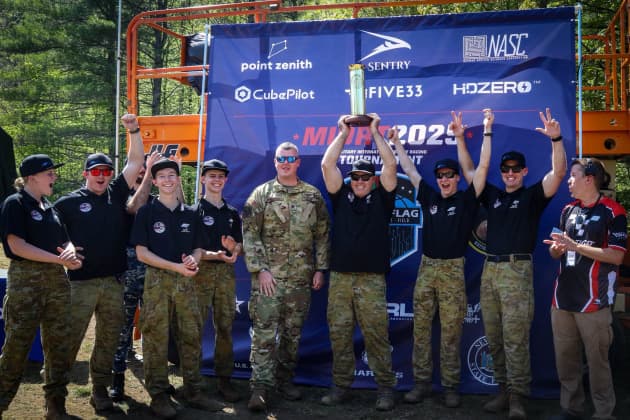
Scholastic Teams Must Submit UTT Times and Materials by Jan. 31
Scholastic drone teams must upload January UTT verified times and supporting materials by 11:59 PM ET Jan. 31 to be counted on the national leaderboard.
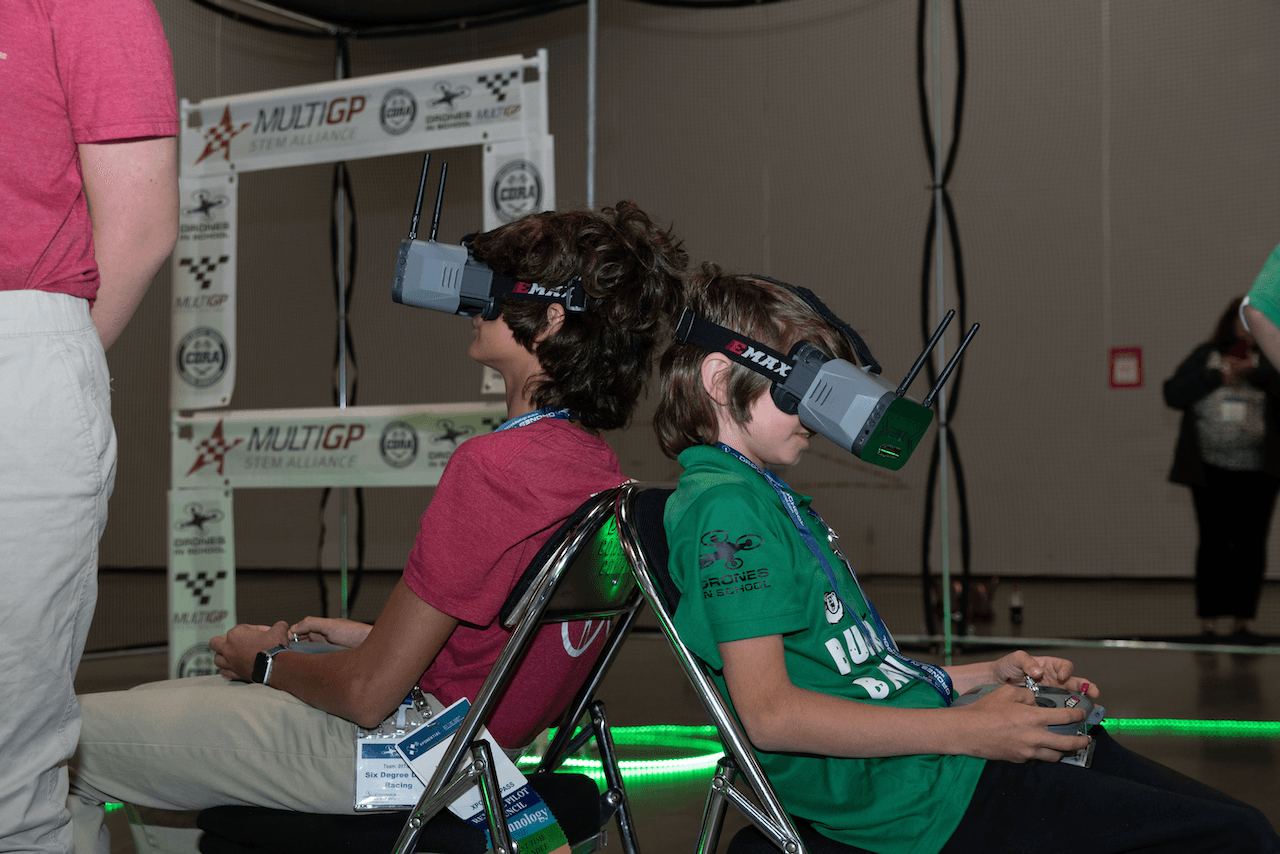
Scholastic drone teams racing in the Drones in School virtual series have a firm deadline: upload verified UTT times and all supporting materials by 11:59 PM ET on January 31 to appear on the national leaderboard and pursue championship qualification. The January UTT track was released January 1, and teams running the standardized Universal Time Trial course locally must submit timed DVR footage plus optional judged components to be scored nationally.
The virtual UTT format requires teams to fly an identical course at their home venue, record runs with onboard DVR or external cameras for verification, and upload time-stamped video alongside a team portfolio and marketing video. Those additional judged elements - the design and engineering portfolio, marketing video, and team display - are explicitly factored into national standings and can shift placements beyond raw lap times. The Drones in School virtual page also lists prior results for November and December and provides a full UTT track setup guide and submission instructions for event organizers and teams at dronesinschool.com/virtual.
From a performance perspective, the UTT standardizes variables that matter: course layout, gate placement, and timing protocol reduce ambiguity in comparing lap splits and punch-out windows across disparate venues. DVR verification forces transparency in inputs such as gate-to-gate times and line-of-sight corrections, which rewards teams that calibrate their PID settings, tune battery load, and nail consistent throttle control. At scholastic levels, where milliseconds separate leaderboard positions, clean video proof and repeatable telemetry are as valuable as raw speed.
Industry trends point toward a hybrid competitive model that blends local flying with national ranking. Virtual UTTs lower travel costs and broaden access to national competition, helping grassroots programs feed into championship pathways while creating new inventory for sponsors and leagues. However, the model also exposes resource gaps: teams with higher-end cameras, reliable timing rigs, and polished marketing capabilities can gain an edge in the judged components. That raises equity questions about how scholastic programs are funded and whether organizers will implement equipment-standardization or assistance programs.

Culturally, the UTT pushes drone racing deeper into STEM education, mixing aerodynamics, engineering documentation, video production, and team branding. The judged portfolio and marketing video reward cross-disciplinary skills that mirror modern motorsports operations. For communities, the virtual model amplifies local storytelling: small programs can showcase engineering work and outreach in a way that counts toward national recognition.
With the January 31 deadline looming, teams should verify their DVR timestamps, complete the design and marketing submissions, and follow the track setup guide to avoid disqualification. The results posted after the window will define early-season leaderboard hierarchies and influence which scholastic programs are in position for championship qualification later in the season.
This article was produced by Prism’s automated news system from verified source data, official records, and press releases, then run through automated quality and moderation checks before publishing. The system is built and supervised by the people who set the standards it runs under. Read our full AI policy.
Did this article answer your question?