Simulators Fuel Drone Racing Growth, Power Pilot Development and Youth Pipelines
VelociDrone and other sims have moved from niche tools to core infrastructure over five years, with Flywing's CES X‑Wing demo showing experience-first storytelling converts best.

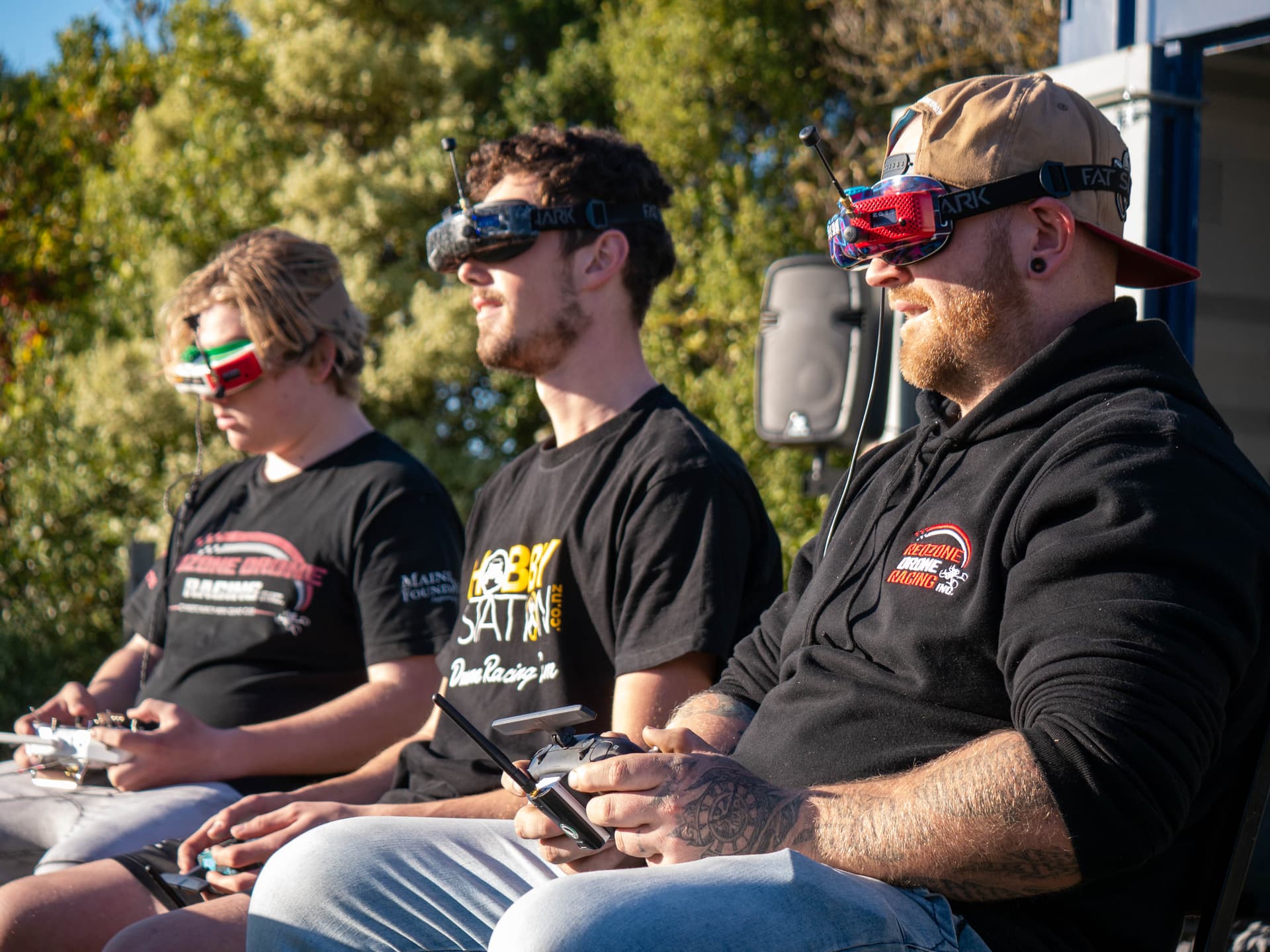
Cockpit-style FPV and VTOL demos such as Flywing’s X-Wing at CES have created the pilot-centric narrative that simulators already live in, and that matters to racers because it mirrors what VelociDrone and peers deliver for practice and skill transfer. Over the last five years VelociDrone moved from a niche training aid to a foundational platform for pilot development, league seeding, and youth pipeline programs, giving race directors and coaches a controlled environment to evaluate pilots before on-site trials.
League planners and sponsors are using sim data to seed brackets and identify talent, a shift that directly affects how pilots progress from backyard practice to pro events. The research notes point to simulators serving race directors, coaches, sponsors, and pilots; that practical role changes selection and training timelines and reduces reliance on one-off outdoor time. Those operational shifts also change budget priorities for sponsors who now allocate part of scouting and development dollars to simulator-supported programs.
Audience engagement metrics from recent content tests underline what messaging lands with pilots and fans. An A/B pair showed "Flywing's X-Wing Fighter brings FPV cockpit combat to hobbyists" scoring 0.73 versus "Complete Hands-on Guide to Building Competitive FPV Drone Racers" scoring 0.00, despite 56% topic overlap. Top-performing pieces tended to be concise at roughly 350-460 words and foreground novelty and usability, while bottom performers were long, procedural, or purely technical. The CES-linked Flywing angle succeeded by foregrounding experience and novelty tied to an event, not by reciting build steps or regulatory checklists.
There is a glaring growth opportunity in audience behavior: 100% of readers only viewed content without sharing or commenting. That surprising stat suggests a tactical change for race directors and content teams who want more sponsor visibility and grassroots growth - craft share hooks around experiential moments like cockpit-style FPV, VTOL demos, and measurable pilot progress from sim leaderboards rather than long-form manuals. Converting passive viewers into sharers would increase sponsor value and accelerate youth program enrollment, according to the engagement pattern.
Practical next steps for the sport flow from these findings: emphasize short, pilot-focused storytelling that links sim performance to real-world events such as CES demos; build league seeding rules that include VelociDrone leaderboard benchmarks; and design youth pipeline curricula around simulator milestones. If race directors, coaches, and sponsors align on those specifics, simulator platforms will continue to power pilot development and expand the feeder systems that will produce the next generation of pro drone racers.
Know something we missed? Have a correction or additional information?
Submit a Tip