Step-by-Step FPV Racing Starter Guide: Gear, Safety, Race Checklist
Learn the key FPV racing gear, safety rules, class choices, and a 48–24–2 hour race checklist to move from buying gear to entering your first race.
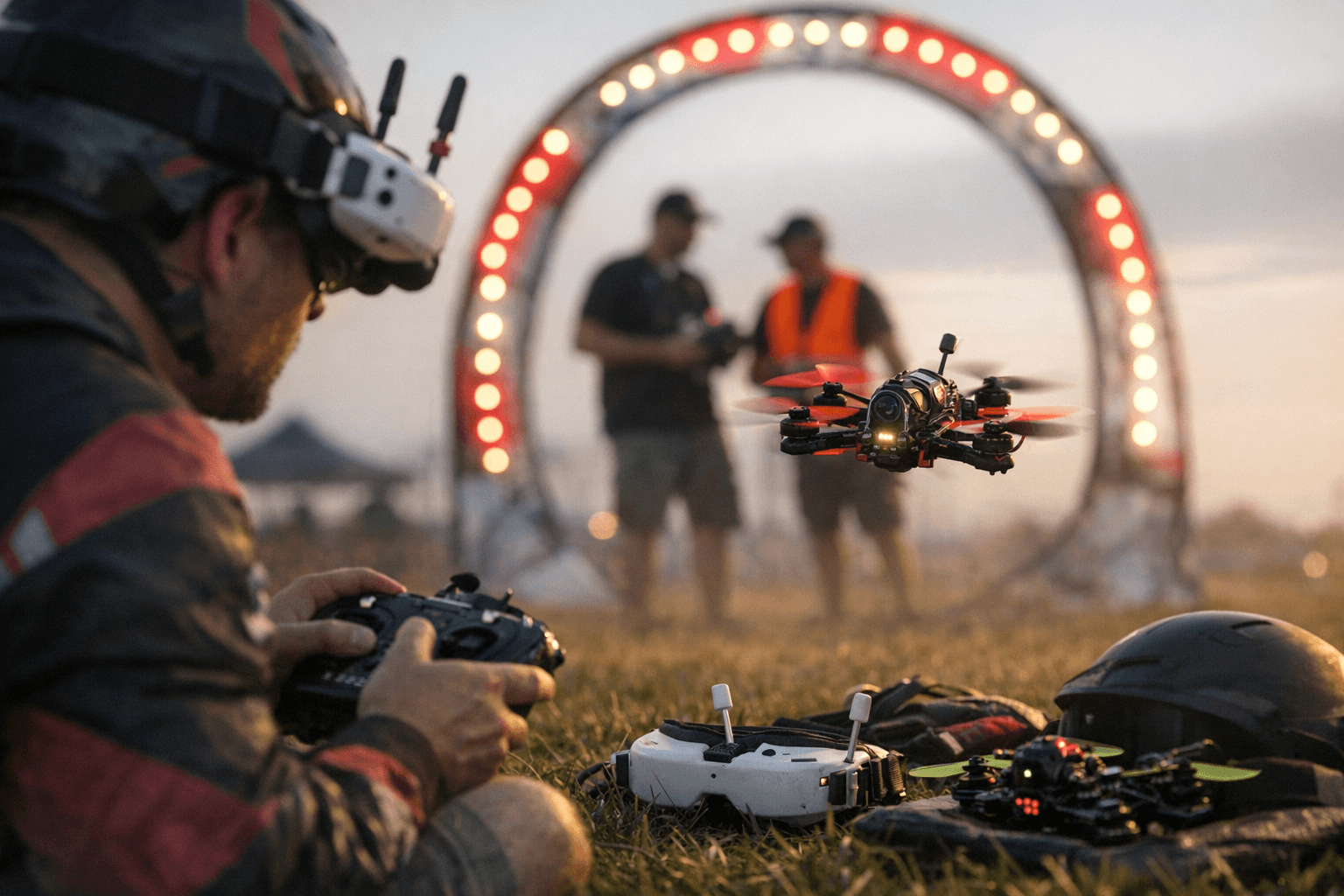
FPV racing is equal parts pilot skill, team routine, and gear strategy. Below is a step-by-step starter guide that covers everything from radios to race-day rituals, plus the cultural and business context that shapes the sport.
1. Core gear (minimum for a first race)
Start with reliable core kit: a 4–8 channel 2.4 GHz radio transmitter and a matching receiver mode for your racer; established brands reduce compatibility headaches. Choose a race quad suited to the venue, 4" or 5" frames for outdoor courses or whoops/sub-2" builds for indoor, and consider an RTF or “race-ready” prebuilt if you’re new to soldering. Your stack should include a flight controller running Betaflight/Cleanflight or equivalent and ESCs using BLHeli/BLHeli_S/BLHeli_32 depending on motor and ESC choices; these determine flight feel and tuning range. Equip motors sized to the frame (2205–2306 common for 5" race quads) and pack spares: at least four motors and several prop sets to handle mid-race repairs. For video, choose an FPV camera + VTX compatible with local leagues, HDZero or analog, and get a video receiver and goggles; practice exclusively with goggles because race sightlines differ from spectator screens. Finally, stock batteries (LiPo), a smart charger, a safe charging bag, and tools: soldering iron, zip ties, double-sided tape, small hex drivers, spare screws, and motor nuts.
- Tip: buy 4–6 batteries for practice and race day to avoid mid-event downtime.
- Tip: label batteries and chargers to track cycles and health.
2. Legal and safety basics
Follow the applicable aviation rules in your jurisdiction, including remote ID, waivers, and any event-specific flight restrictions; organizers and venues often require compliance before you fly. Practice prop-safety rigorously: remove props while setting up, keep a dedicated pit area, and protect bystanders with barriers; marshals and spotters enforce these standards to keep events flowing. Respect designated race space and listen to spotters, a calm pit routine is both safe and efficient. Safety isn’t just compliance; it’s the baseline that lets the sport scale commercially and draws sponsors who want predictable risk profiles.
3. Race-class and rules overview
Leagues segment events by frame size and equipment to keep competition fair: indoor whoop events use ducted small frames and protective measures while outdoor/pro-spec races favor 5" or ProSpec frames. Always check the event’s class rules for frame/prop/motor limits, battery voltage caps, VTX power limits, and LED or transponder requirements, failing tech checks can cost a heat or dock points. Class structure also shapes the competitive ladder, from casual club nights to professional series; rule harmonization across leagues influences where pilots invest, whether in analog setups or the rising HDZero ecosystem.
4. Practical first-race checklist (48–24–2 hours out)
Prepare in phases to reduce stress and gear failure.
- 48 hours out: Charge and cycle batteries and inspect frame and motors for stress cracks or loose screws. Download the track map, watch available onboard laps to learn lines, and set up your goggles and VTX channel allocation; confirm registration and pit passes to avoid last-minute scrambles.
- 24 hours out: Conduct a bench test of motors, ESCs, and FC; review Betaflight rates and PID defaults tuned for your frame. Pack spare props and at least one spare motor if possible; print a parts list and important phone numbers.
- 2 hours pre-race: Final battery charge, range-check the radio, and calibrate ESCs/FC as needed. Label batteries for race order and energy strategy, sign in, and attend the pilot briefing to catch last-minute track or timing changes.
5. What judges and organizers expect
Arrive early and bring gear ready for tech inspection: organizers will check battery voltage, secure battery mounts, VTX power, and sometimes weight or LED setups. Follow marshal instructions during heats and be prepared for heat-based formats where consistent, clean laps beat a single reckless fast lap. Team dynamics matter: a calm pit crew, situational coach, or spotter improves turnaround time and lap consistency, think NASCAR-style support scaled to micro-quads. Reliability, not flash, earns organizers’ trust and repeat invites.
6. After your first race: performance review and next steps
Treat your first race as data gathering: download lap logs if available, review sections where you lost time, and practice those corners until muscle memory takes over. Focus on player performance metrics, throttle management, line selection, and transitions, and involve your team in post-run debriefs to optimize setup and pit routines. Join local club practice sessions to build circuits of reliability and to plug into the sport’s social network; sponsorship and pro pathways often grow from consistent club presence and visible improvement.
Cultural and business context FPV racing blends maker culture and pro sports, the DIY ethos fuels innovation in ESCs, HD systems, and frame design, while leagues and sponsors commercialize high-performance pilots. Equipment choices are driven by rule changes and tech shifts: when a league restricts VTX types or adopts HDZero, manufacturers and retailers adjust product lines. Socially, FPV is a skills pipeline for STEM fields and a community of diverse pilots, but accessibility depends on lowering cost barriers and clear regulation.
Closing practical wisdom Start with reliable, compatible gear, rehearse a calm pit routine, and treat data from each heat like a coach’s notes: iterate quickly and protect your equipment with smart safety habits. Race day rewards consistency more than bravado, so tune for steady laps and get your goggles on, the podium follows pilots who prepare.
This article was produced by Prism’s automated news system from verified source data, official records, and press releases, then run through automated quality and moderation checks before publishing. The system is built and supervised by the people who set the standards it runs under. Read our full AI policy.
Did this article answer your question?