Student AirRace Announces Rapid Response Challenge for May 2026 Season Opener
Student AirRace announces the Rapid Response Challenge in Munich for May 2026, a mission-driven FPV event that tests university teams on timed medical-payload delivery and autonomy.
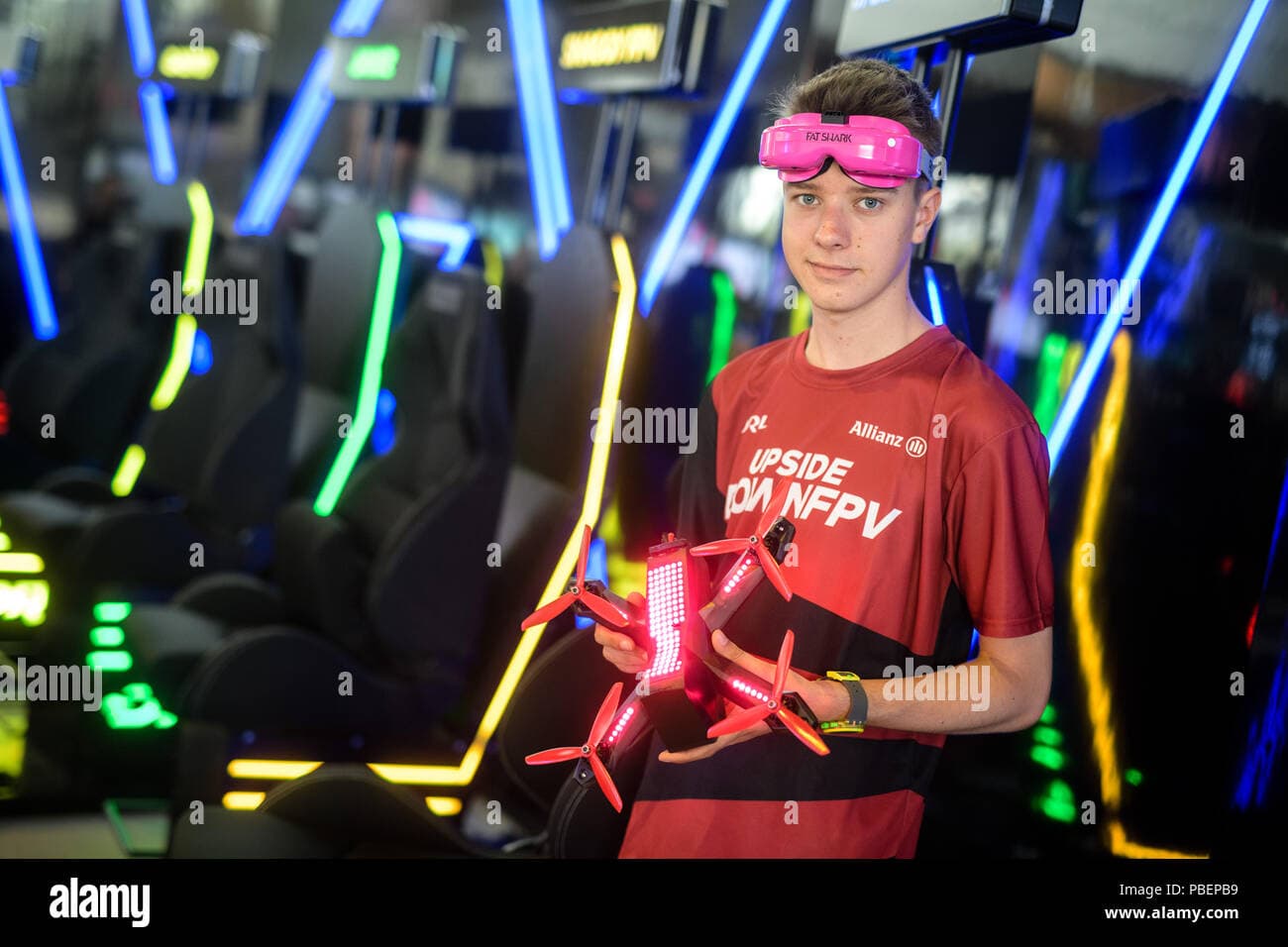
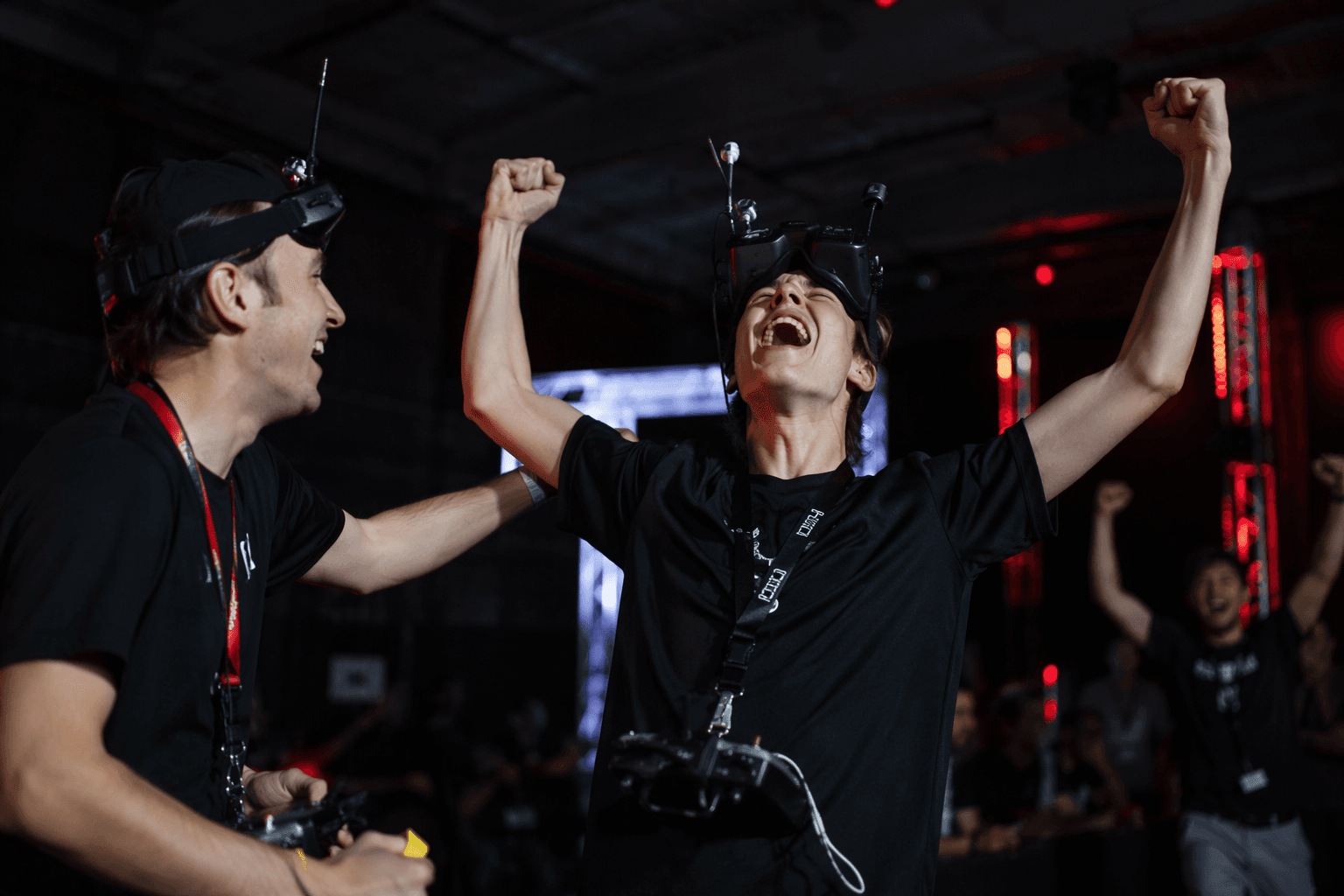
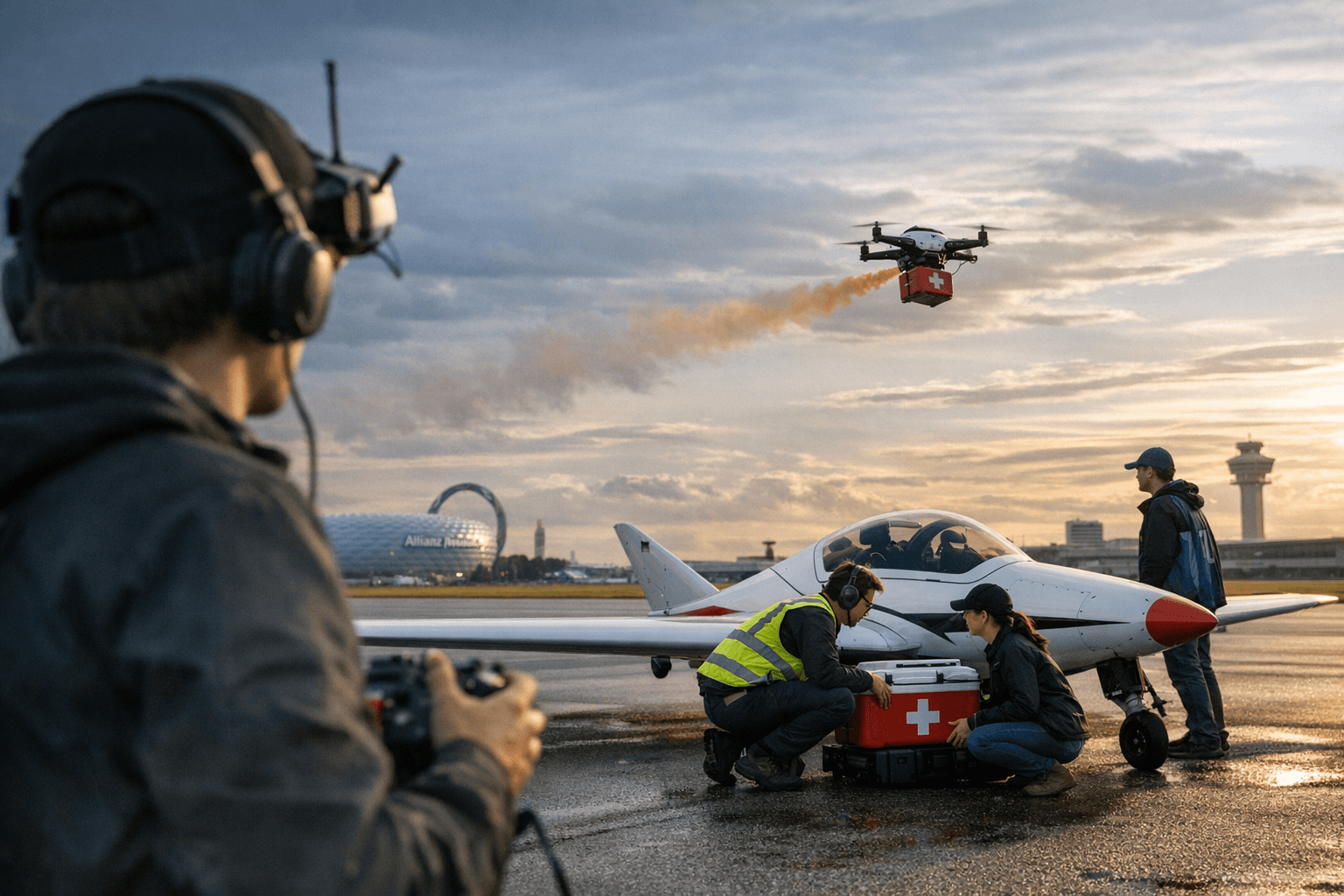
Student AirRace has unveiled the Rapid Response Challenge, a new Spring 2026 competition that will stage university teams in Munich in May 2026 to race for speed, precision, and mission software maturity. The announcement frames the RRC as a time-critical humanitarian simulation: teams must transport a critical medical payload through a complex racecourse and deliver it to a disaster zone with precision.
"Are you ready for mission-driven drone racing? We are officially announcing the Student AirRace Rapid Response Challenge, happening in Munich, May 2026!" the organisers wrote in the public announcement. The Rapid Response Challenge foregrounds high-speed manual FPV piloting while rewarding engineering deliverables: "The Mission: Delivering a simulated medical kit to a disaster zone in the shortest time possible." Beyond raw lap times, Student AirRace says points will be awarded "not just for speed but for innovation, technical documentation, and other multidisciplinary criteria."
Technically the Spring event is built around 10-Inch Class drones with a maximum mass of 5 kg, placing emphasis on agility and software integration over brute lift. Teams are invited to pursue a Hybrid Mission layer that layers autonomy onto piloting: "Hybrid Missions: Master the art of manual high-speed piloting or level up by integrating Computer Vision for autonomous payload delivery to earn massive scoring bonuses." The season design is intentionally progressive - Student AirRace describes the 2026 program as "Two Challenges, One Goal" and explains the aim to "build a bridge: connecting the rapid, software-driven development of agile systems in the Spring with the complex, structural engineering challenges of high-performance Hyperdrones in the Autumn."
LinkedIn materials from the organiser stress an accelerated development tempo: "Rapid Engineering: Move from concept to a mature, flight-ready system in an intensive 4-month development cycle." That timeline, combined with mandatory technical documentation and safety standards, pushes teams to accelerate systems engineering workflows from initial sketches through finished carbon frames. Student AirRace emphasises rigorous standards, noting that "These stringent AirRace standards require competing teams to optimize the technical performance of their drones, thereby enhancing their technological maturity and operational safety."
The RRC plugs directly into Student AirRace’s autumn ambitions. The Autumn Hyperdrone Competition is provisionally scheduled for October 2026 and targets heavy-lift demonstrators: "The Tech: Teams develop Hyperdrones; massive technology demonstrators weighing up to 8.5 kg with up to 8 motors." That class elevates concerns about statics, aerodynamics, and high-voltage safety, making the Spring mission a natural proving ground for software and operational practices.
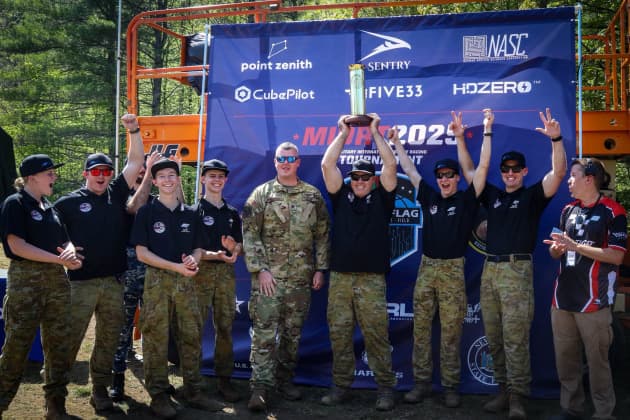
The series already has examples of teams turning engineering work into competitive success. "The NOVA Lab team not only participated but triumphed, securing 1st place and impressing the jury with their outstanding professionalism, refined design, and exceptional technical execution," Student AirRace noted of a prior campaign. NOVA Lab’s Project AEROS ran CADDX Walksnail goggles and Avatar kits and recovered from an "unexpected landing" to return to flawless performances, illustrating the resilience the RRC will demand.
For teams and faculty planning to enter, Student AirRace lists contact as info@student-airrace.com and cautions that "NOTE: Our Github page is no longer served." With a sprint-like development window, autonomy incentives, and a direct pathway to heavy-lift Hyperdrones in October, the Rapid Response Challenge promises to sharpen student pipelines into industry-ready skills and accelerate collaborations between software, aerostructures, and safety engineering.
This article was produced by Prism’s automated news system from verified source data, official records, and press releases, then run through automated quality and moderation checks before publishing. The system is built and supervised by the people who set the standards it runs under. Read our full AI policy.
Did this article answer your question?