Tennessee Army National Guard Seeks FPV Strike, Recon Drones for Smyrna Training Site
The Tennessee Army National Guard issued solicitations for FPV strike drones requiring Blue UAS approval and delivery within 30 days, targeting its Smyrna schoolhouse.
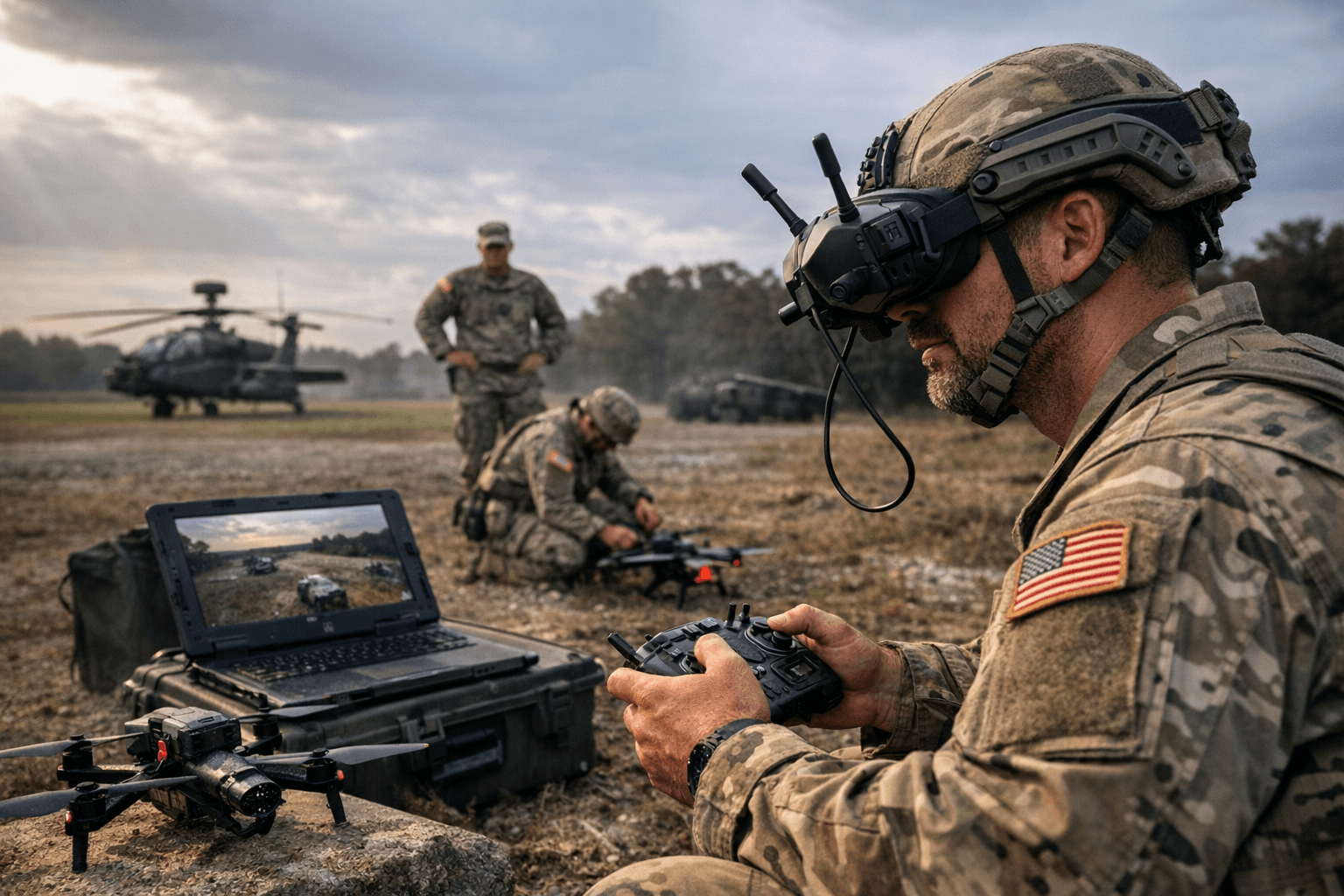
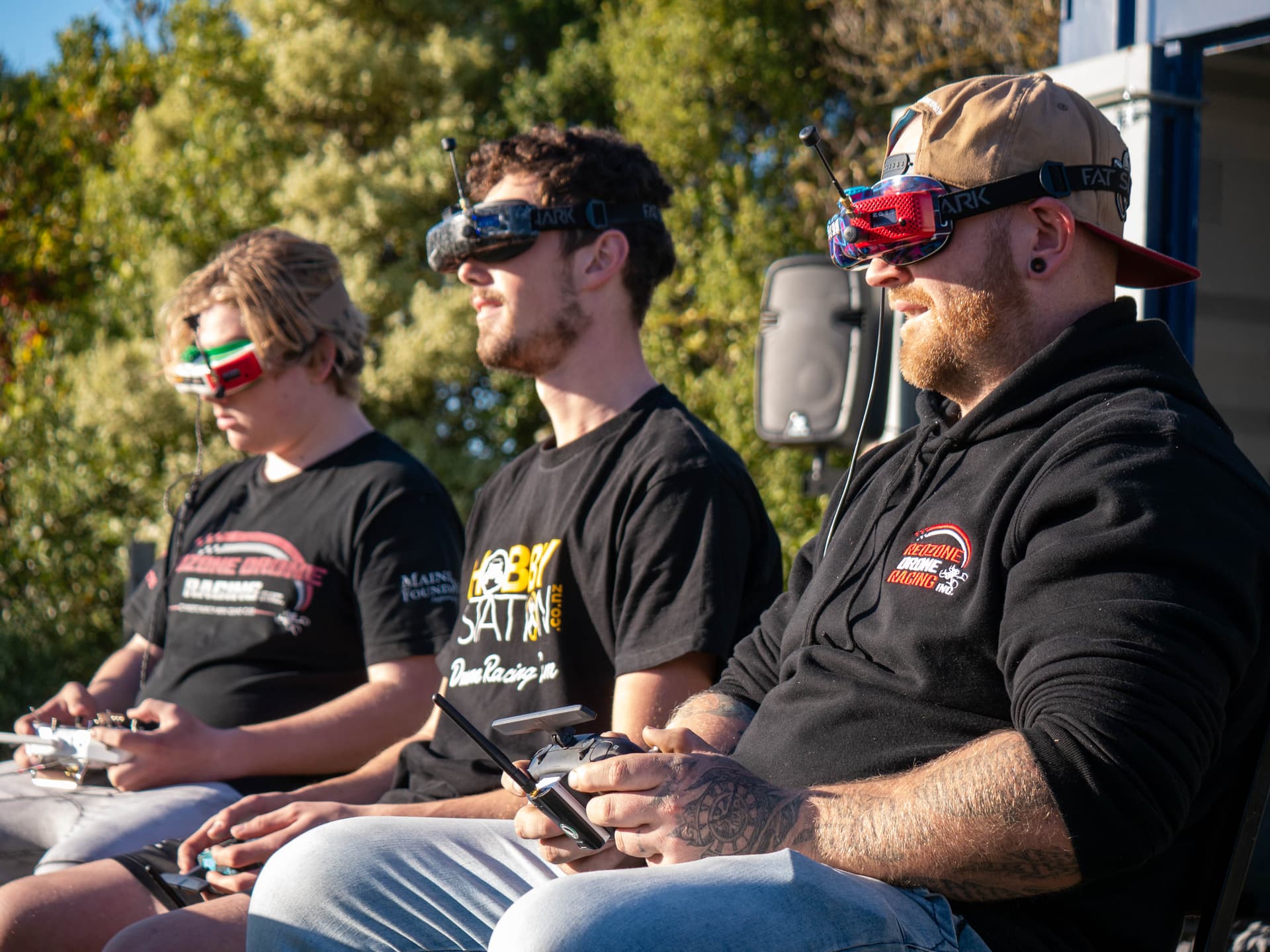
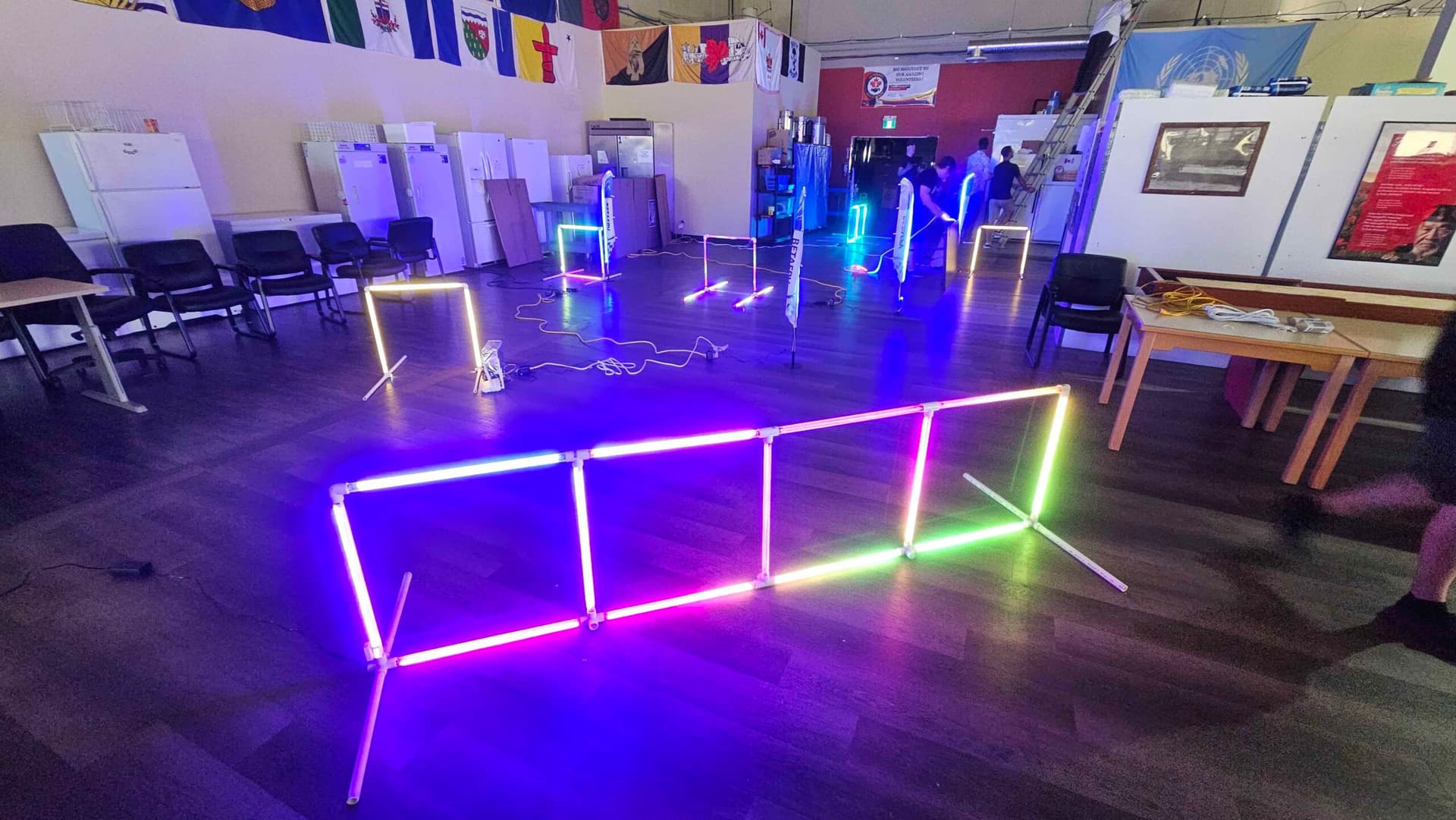
Pilots adjusting their FPV goggles at competition this season might notice the U.S. military is paying close attention to the same technology. The Tennessee Army National Guard issued solicitations for three categories of small unmanned aircraft systems to modernize training at the 117th Regiment Regional Training Institute in Smyrna, a procurement structured around the same first-person-view platforms that have redefined battlefield tactics in Ukraine.
The solicitations, filed under contract number W912L726QA003, each seek two systems and require delivery within 30 days of award. All contracts are structured as firm fixed-price awards and limited to qualified small businesses under a 100 percent small-business set-aside, with every platform required to carry Blue UAS program approval, which verifies cybersecurity protections and trusted supply chains.
The Guard is pursuing three distinct capability classes. The first covers systems comparable to the Neros Archer equipped with the Crossbow ground control station, an FPV platform suited for compact reconnaissance and tactical observation. The Archer carries a notable distinction: it was the first FPV platform ever approved for the Blue UAS list, a credential it earned through battlefield testing with Ukrainian forces before U.S. military evaluators assessed it. The U.S. Army has since named Neros one of three primary vendors for its Purpose-Built Attritable Systems program, a platoon-level procurement effort, and the Marines conducted live demonstrations at Twentynine Palms. The 3rd Light Armored Reconnaissance Battalion was among the first units to receive the platform.
The second solicitation targets systems comparable to the FlightWave Edge 130, a long-endurance aircraft used for surveillance and mapping. The third requests platforms comparable to the ModalAI Stinger Vision FPV 3.5, a close-range FPV drone designed for training missions at compressed distances.
The rationale behind all three requests is explicit in procurement language: the 117th Regiment RTI is acquiring these systems to train soldiers in reconnaissance, target engagement, and GPS-denied operations, reflecting lessons absorbed from watching low-cost tactical drones reshape modern land combat. As one industry assessment put it, the solicitation would give the Guard "a low-cost, tactically relevant platform for training soldiers to find, track, and attack targets inside the compressed kill chain now shaping modern land combat."
The procurement is not framed as a one-off purchase. The requirement explicitly ties the buy to National Guard authorization, signaling an institutional push to inject current drone warfare doctrine into the schoolhouse curriculum at Smyrna's Volunteer Training Site. The NAICS classification falls under aircraft manufacturing, and the contracts are capped at qualified small businesses, keeping the pipeline open to the same agile domestic vendors the broader FPV racing and tactical drone industry has produced. Thirty days from award to delivery is not a comfortable window; it tells you how urgently the Guard wants these platforms operational.
Know something we missed? Have a correction or additional information?
Submit a Tip