TinyWhoops vs 3-5-inch Racing Quads: Flight Traits, Costs, Event Types
TinyWhoops are the low-cost, low-risk way to learn FPV indoors; 3–5-inch quads are the speed, sponsorship, and stadium spectacle that scale careers and events.

1. Flight traits
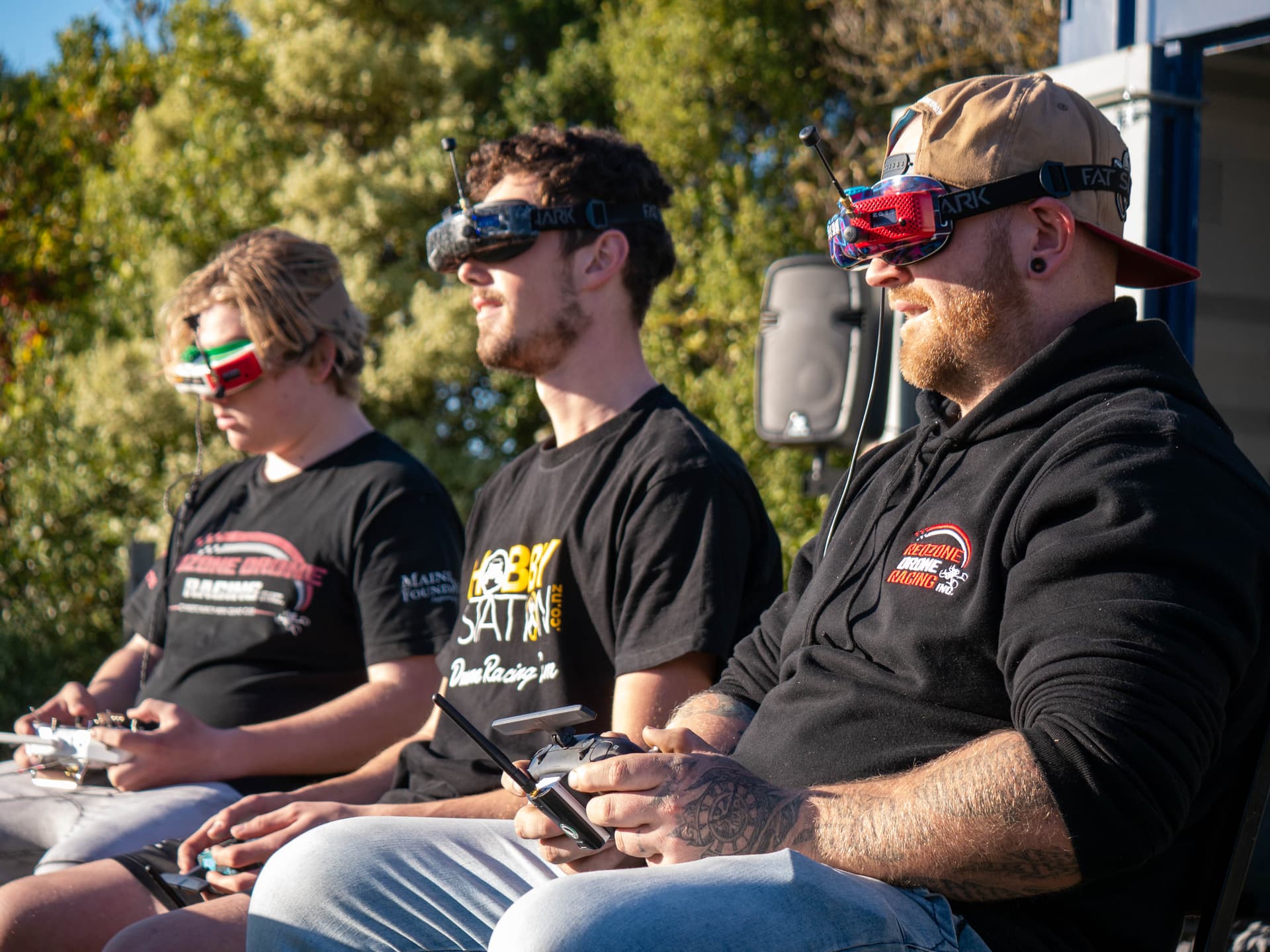
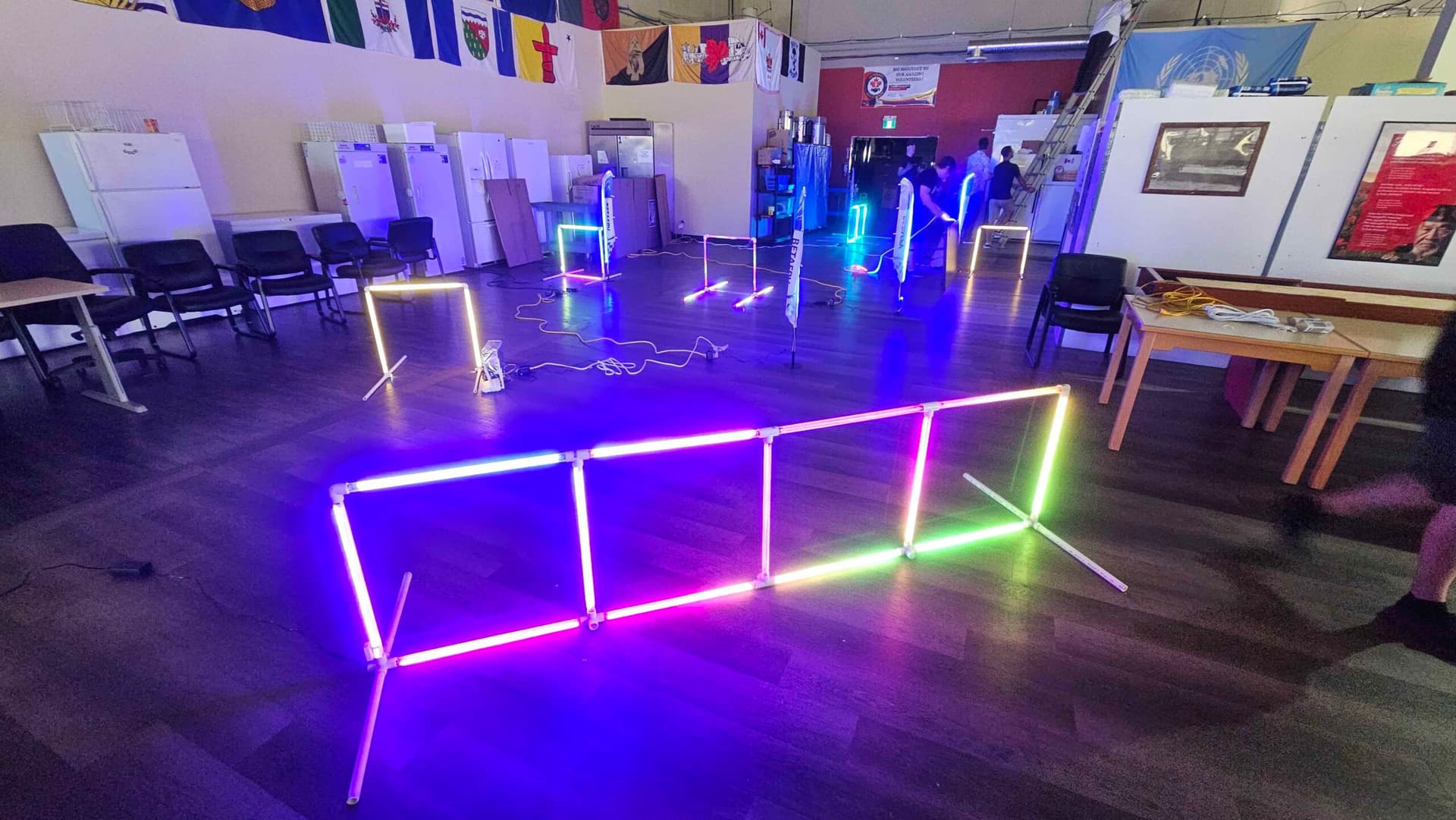
TinyWhoops: pilot-centric benefits center on slow, forgiving flight and ducted-prop safety, perfect for cockpit-style FPV practice that lowers the entry barrier for new pilots. TinyWhoops (micro-class, ducted whoops) are inherently stable at low speeds, resist tip-overs because of protective ducts, and let pilots focus on stick feel, line accuracy, and race gate timing without the stress of high-speed crashes. That makes them ideal for indoor gyms and tight-course technical work where wind is negligible and control precision matters more than top speed. The immediate racer implication: you can log tight-course laps in small spaces and recover confidence faster after mistakes, accelerating skill gain per crash compared with larger quads.
3–5-inch racing quads: these are about speed, power-to-weight ratios, and aerodynamic maneuvering that translate directly to competitive lap times. Full-size quads deliver high acceleration, more pronounced prop wash effects, and a strong sensitivity to throttle modulation, skills essential on outdoor tracks and professional circuits. They require far more attention to wind, line planning, and split-second throttle control; mistakes at 70+ km/h are costly. For hobbyists eyeing pro lanes and sponsorship, the flight traits of 3–5-inch quads are non-negotiable: they teach racecraft that TinyWhoops can’t replicate.
- Quick takeaway: TinyWhoops = measurable practice density (more laps per hour, less repair time). 3–5-inch = transferable race skills and spectator-ready speed.
- Framing note from engagement data: narratives that foreground the pilot experience and novelty, like CES demos of cockpit-style FPV, perform far better than long, procedural manuals.
2. Costs
TinyWhoops typically impose a lower upfront and operating cost profile, which is why beginners often choose them to test the hobby without heavy financial commitment. Components are smaller, motors and batteries are cheaper, and ducted props reduce expensive frame damage, so replacement cycles and repair bills are gentler on a beginner’s wallet. That reduced cost lets pilots train more frequently and iterate on flying technique rather than components, a direct daily-life impact on practice routines: more flight time for the same monthly spend.
3–5-inch quads demand higher initial investment and carry steeper crash-repair economics, frames, high-kV motors, ESCs, and LiPo batteries for 3–5-inch setups are costlier, and crashes produce more expensive part swaps. There’s also an event-cost layer: travel, pit gear, and entry fees scale with outdoor and pro-level races. From an editorial angle supported by engagement analysis, compact, comparative cost breakdowns convert better than exhaustive step-by-step build guides. The A/B test in our notes shows that focused, usability-led stories (score 0.73) outperformed sprawling manuals (score 0.00) despite 56% topic overlap, clarity on “what you must buy and why” beats long regulatory or technical recaps.
- Budget tip: prioritize a quality radio, a reliable video link (VTx/VRX), and one good battery system; those items affect both TinyWhoop and 3–5-inch experiences most.
- Economic reality: plan for recurring repair & transport costs if transitioning to 3–5-inch competition.
3. Event types
TinyWhoop events skew toward indoor, community-first formats: gym-based league nights, family-friendly heats, school programs, and micro-racing circuits where safety and accessibility dominate the rule set. These events maximize pilot density and community growth because they’re inexpensive to organize and attractive to newcomers and younger pilots. The cultural implication is significant: TinyWhoop leagues are often where diversity and grassroots participation grow, because the financial and logistical bars are low.
3–5-inch events range from local outdoor club races to regional time-trial opens and professional stadium-style races that prioritize speed, spectator sightlines, and broadcast-ready FPV. These events create media-friendly moments, spectators want speed and spectacle, and innovations like cockpit-style FPV demos at CES show how immersive video and novel craft (VTOL hybrids, themed builds) can expand audience appeal beyond the hobby. Business implications are clear: sponsors and venues invest in the scale and broadcastability of 3–5-inch events, while TinyWhoop circuits drive grassroots expansion and feeder pipelines for talent.
- Event organizer note: TinyWhoop meets reduce permitting and noise friction in urban venues; 3–5-inch events require site selection, liability planning, and often more insurance.
- Spectator hook: immersive FPV demos and novelty craft (the CES X‑Wing VTOL showcase) help convert passive viewers into paying attendees, yet current reader behavior shows 100% view-only consumption, the single biggest growth leak for the sport.
4. Training pathways and pilot progression
Start on TinyWhoops to lock down fundamentals, line discipline, corner timing, and gate approaches, then move to a 3–5-inch to translate those fundamentals to speed and racecraft. The training ramp is logistical as well as technical: TinyWhoops let pilots practice daily in apartments or local gyms; stepping up requires access to open areas or sanctioned tracks and a learning curve in crash consequence management. From an engagement and content strategy perspective, short, experience-driven primers (350–460 words) that highlight this two-stage progression perform best with readers because they map directly to what pilots do next.
5. Cultural and social implications
TinyWhoops are democratizing FPV: lower costs and indoor-friendly formats broaden participation among youth programs, schools, and mixed-gender community groups. 3–5-inch racing, meanwhile, is the spectacle engine, attracting sponsors, larger media deals, and stadium income that professionalizes the scene. That split has real social consequences: grassroots TinyWhoop scenes can push diversity and access, while commercialized 3–5-inch racing builds careers and mainstream visibility. The strategic tension for the industry is balancing accessible community growth with the sponsorship-fueled professional tiers.
Conclusion TinyWhoops and 3–5-inch quads are complementary tools in a pilot’s career map: TinyWhoops buy practice density, safety, and access; 3–5-inch quads buy speed, spectator appeal, and professional opportunity. Editorially and commercially, stories that foreground pilot experience, novelty (the CES cockpit-style FPV/VTOL demos), and immediate usability outperform long procedural manuals, a fact reflected in the 0.73 vs. 0.00 A/B headline scores and the observation that 100% of readers currently view without sharing. The smart move for pilots, promoters, and publishers alike is to use TinyWhoops to widen the gate and 3–5-inch spectacle to push the sport into larger audiences and sustainable business models.
Know something we missed? Have a correction or additional information?
Submit a Tip