Walksnail Avatar HD Micro review weighs latency against DJI O3
Walksnail’s Micro kit enters the race-day conversation on the only terms that matter: latency, firmware stability, and whether it can survive a bad line without costing a heat.
The Walksnail Avatar HD Micro is not interesting because it looks compact on a bench. It matters because it is being judged where digital systems get exposed fast: tight gates, pack racing, and the split-second recovery after a near-miss. The question is simple, and brutal, for a competitive quad: does it feel sharp enough to race, or does it introduce the kind of delay and inconsistency that turns clean laps into damage control?
Why this Micro matters on race day
FPV Drone Guide’s review of the Avatar HD Micro is built around the right test, not the easy one. It frames the system through V1, V2, and Pro comparisons, then pushes into real latency framing, firmware history, and a direct matchup with DJI O3. That matters because a racer does not buy a digital system for spec-sheet theater. The purchase decision lives or dies on whether the feed stays stable when the quad is threading a tunnel of gates with three other pilots in the air.
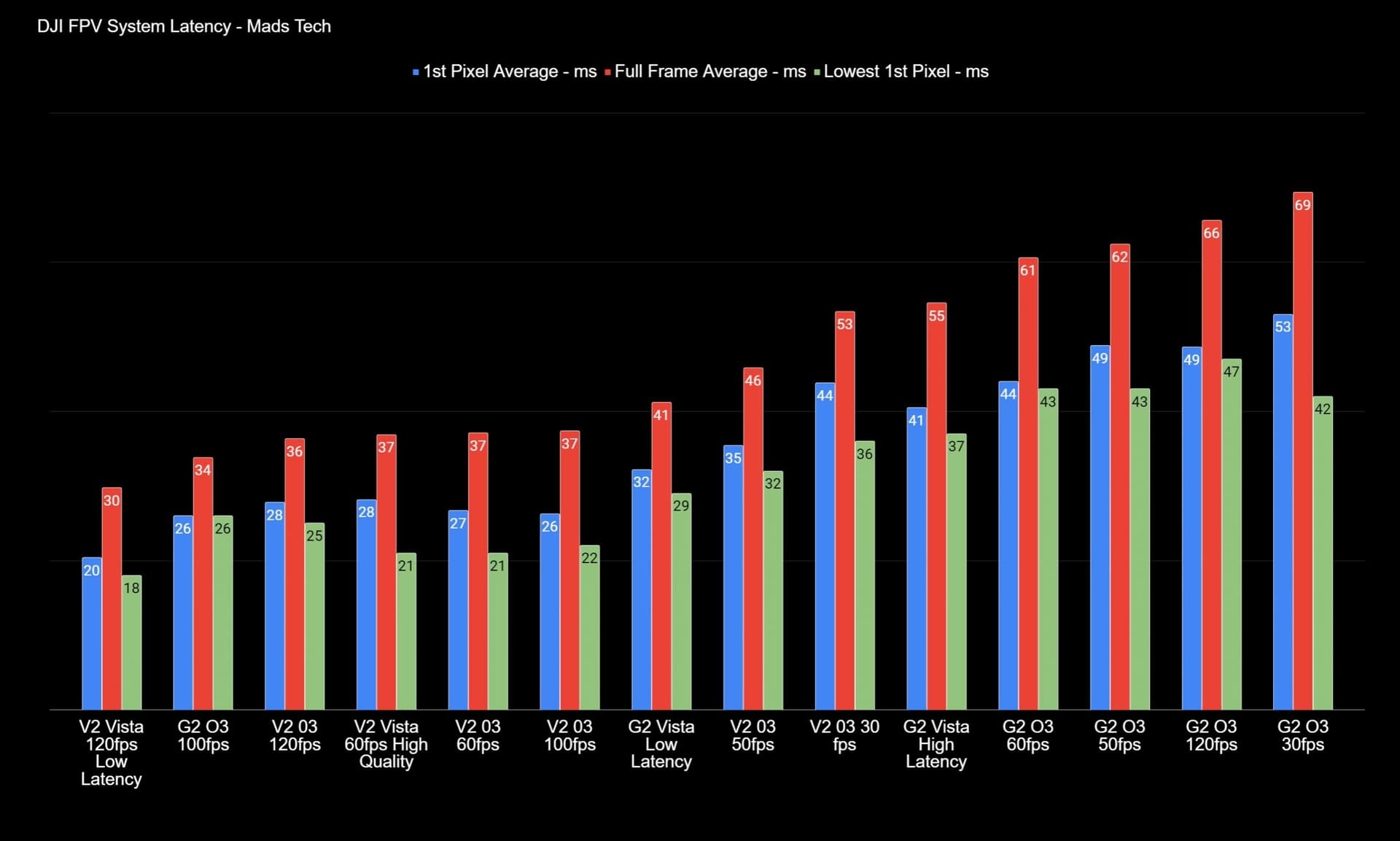
Walksnail’s own platform language backs up the idea that this is a racing-grade conversation, not a casual cinewhoop comparison. The company describes its Avatar HD system as using H.265 coding, delivering 1080p FPV image quality, and targeting ultra-low latency. On the AVATAR HD Kit V2 page, Walksnail goes further, listing 1080p/120fps compatibility and 22ms low latency. Those are not decorative numbers in a race context. They are the difference between seeing the gate now and seeing it just a hair too late.
Latency is the whole race when the field compresses
Digital FPV can look great and still cost you a position if the response path feels soft. In tight-gate courses, especially when the pack bunches up after the first turn, every frame of delay changes how early you initiate a line and how confidently you punch through a split-S or a quick chicane. The Walksnail Avatar HD Micro review earns attention because it is treating latency as a performance problem, not a marketing footnote.
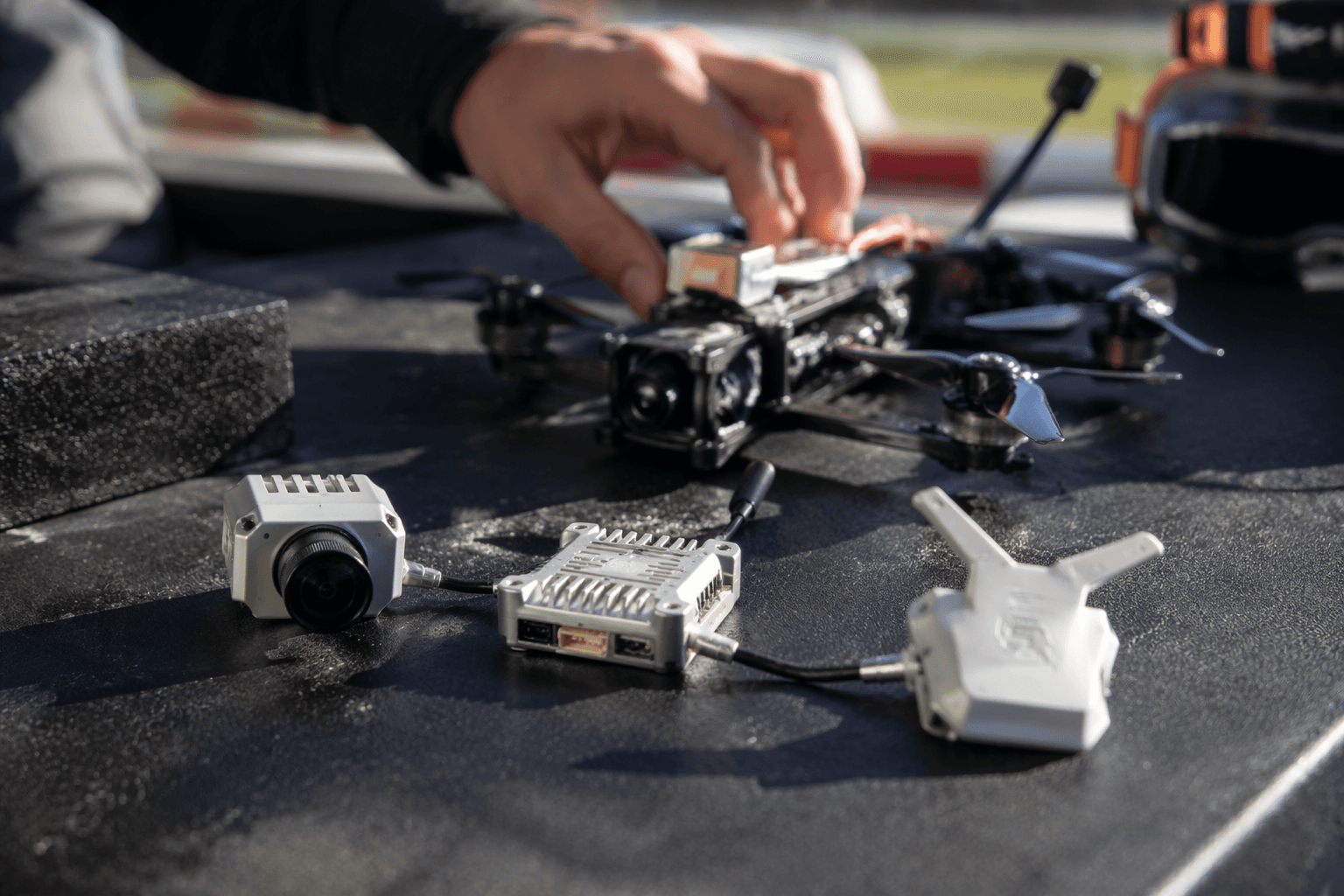
That focus is reinforced by the way Walksnail has organized the Avatar family. Its hardware documentation shows multiple VTX variants, including V1, V2, and dual-antenna versions, which tells you the platform has been tuned around different build priorities rather than a single one-size answer. The comparison materials also list the Avatar HD Micro among the platform’s kit variants, so the Micro sits inside a broader ecosystem that already has to balance weight, signal path, and mounting flexibility. For a racer, that ecosystem question matters as much as the camera image itself.
Firmware stability is where races are won back
The part of the story that serious pilots should zoom in on is firmware history. Walksnail Hub lists a current Avatar firmware release, 39.44.18, and also shows 39.44.15 as an official stable release dated April 1, 2026. That tells you the platform is actively maintained, with both current and historical releases publicly available. For racing, that is not a minor comfort. It means the system is not frozen in place after launch, and it gives pilots a path to track stability rather than guess at it.
Firmware is not just about features. It is about recovery after race-critical mistakes. If a system is flaky, the problem is not only a bad picture on lap one. It is the inability to trust the link after a punch-out, a rough landing, or a quick rebuild between heats. A racer needs to know the headset, air unit, and configuration can come back cleanly after a reset or update, because the next heat does not wait for you to troubleshoot.
DJI O3 remains the benchmark because it is complete
Any small digital system that wants serious race consideration gets measured against DJI O3, whether that comparison is comfortable or not. DJI’s official O3 Air Unit materials describe it as a low-latency HD transmission system with improved imaging performance, a 1/1.7-inch sensor, a 155° super-wide field of view, and 20 GB of built-in storage. DJI also says it supports Betaflight 4.3.0 and higher, which matters because that puts it in the same flight-controller conversation many race builds are already using.
That combination is why O3 keeps setting the reference point. The sensor size and field of view shape how the image feels when you are diving a gate or correcting a drift through a corner. The built-in storage helps when you want usable onboard footage without extra hardware hanging off a race frame. In a race build, the standard is not just whether the video looks clean. It is whether the full package works inside a light, fast, repeatable setup.
Where the Avatar HD Micro fits in a race build
The Walksnail Avatar HD Micro makes the most sense for pilots who want digital performance without dragging a bulky system through a frame that already has too much going on. Walksnail’s platform history gives it some credibility here: the company says it was established in 2017, and in a fast-moving FPV market that still counts as a relatively focused run. The fact that the platform has evolved through V1, V2, and dual-antenna hardware suggests Walksnail has been iterating around real build constraints instead of pretending every quad wants the same air unit.
That is why the review’s V1 versus V2 versus Pro framing is useful. The question is not which model sounds best in isolation. It is which version gives you the right mix of response, fit, and confidence for the kind of racing you actually fly. If you are carving through a tight technical track, the priority is not cinematic polish. It is a feed that stays usable when the quad is moving fast, the field is crowded, and the line has no margin for hesitation.
The Avatar HD Micro has a real shot at a race frame if its latency stays consistent, its firmware path remains stable, and its recovery after a mistake is predictable. In drone racing, that is the standard that matters. Everything else is just packaging.
This article was produced by Prism’s automated news system from verified source data, official records, and press releases, then run through automated quality and moderation checks before publishing. The system is built and supervised by the people who set the standards it runs under. Read our full AI policy.
Know something we missed? Have a correction or additional information?
Submit a Tip