Which digital FPV system gives drone racers the best edge?
The real FPV edge is not image sharpness alone. It is choosing the system that balances latency, range, and fleet lock-in before the season punishes you.
Why video gear now shapes lap time
Less than 1 millisecond of transmission latency is not a lab flex anymore. In drone racing, it is the kind of number that can decide whether a gate feels glued to your thumbs or just slightly late, and that is why FPV video systems have moved from accessory to core performance gear.
The market has split hard. The latest comparison coverage puts DJI in the beginner-friendly lane, HDZero in the racing lane, and Walksnail in the middle as the balanced option. That split matters because racers are no longer choosing only image quality; they are choosing how much confidence, compatibility, and upgrade flexibility they want to buy into for an entire season.
DJI’s play: compact speed with a wider ecosystem
DJI’s O4 Air Unit series is positioned as its latest digital FPV transmission platform, and the company says it delivers ultra-low latency with improved range compared with the previous generation. The practical racing angle is even more telling: the O4 Air Unit weighs 8.2 grams, uses a 30 × 30 mm mounting-hole pattern, stands only 6 mm tall, and DJI says it is suitable for installation on racing frames for practice.
That mix of size and performance changes fleet planning. A pilot who wants to test digital on a smaller frame, especially a 2-inch or smaller build, can do it without treating the air unit like a brick on the chassis. DJI’s Goggles 3 also support O4 low-latency video transmission and can run for up to 3 hours, which matters when a race weekend turns into an all-day practice grind and the goggles have to survive heat, battery swaps, and repeated tuning sessions.
The trade-off is ecosystem gravity. DJI’s clarity, range, and polish are hard to ignore, but the same polish can pull a pilot deeper into one hardware lane. For racers thinking about a full season, that means the decision is not only about sharper footage. It is about whether every future upgrade, spare part, and backup setup needs to stay inside DJI’s orbit.
HDZero: the racing-first latency bet
HDZero is still the most direct answer when the question is pure race-day responsiveness. Its official materials say transmission latency is less than 1 millisecond, and its fixed-low-latency page says glass-to-goggle latency can be as low as 14.1 ms. Those numbers are not just marketing points; they translate into the kind of immediate feedback that helps a pilot commit harder through tight lines and recover faster when a split-S or dive gets messy.
That is why HDZero keeps its strongest identity in racing and high-pressure freestyle. The image may not be the flashiest in a showroom comparison, but the system is built around the idea that predictability under stress matters more than cinematic richness. For competitive pilots, that confidence can be worth more than a prettier picture, because the cleanest video is the one that lets you trust the stick input before the drone reaches the corner.
There is also a business angle here. A racing-first system tends to reward pilots who value function over display, and that can lower the urge to rebuild a whole fleet just to chase the newest visual upgrade. If the goal is minimizing hesitation at race speed, HDZero’s appeal is simple: it is the most obvious “buy for the lap time” option in the current digital field.
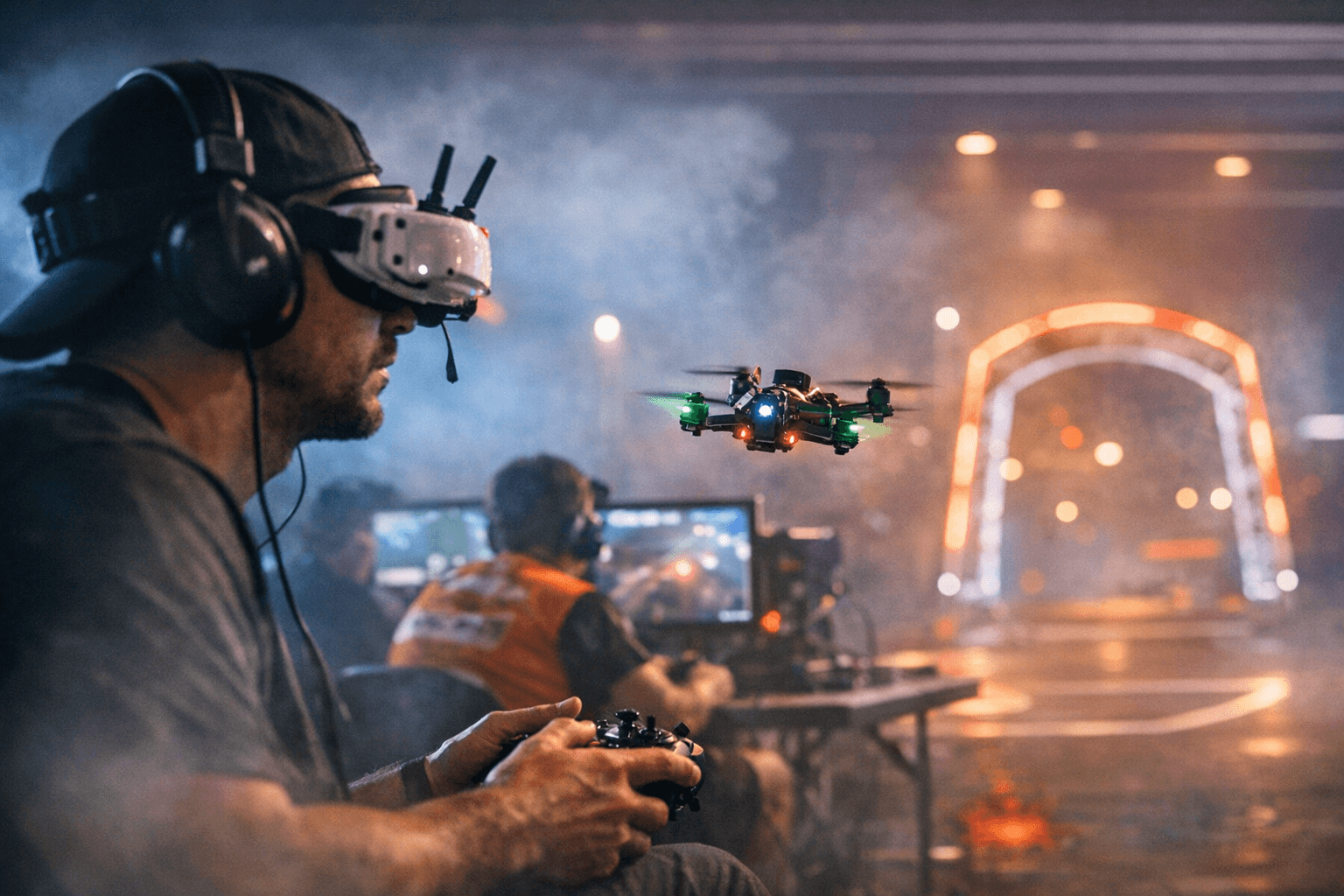
Walksnail: the modular compromise that protects flexibility
Walksnail occupies the most interesting middle ground because it is built for pilots who want more than one use case from the same goggles. Avatar HD Goggles X are marketed with 1080p/100FPS FPV video, HDMI input, and AV/CVBS support, and retail listings emphasize compatibility with analog and HDZero add-ons. That is a very different sales pitch from a closed ecosystem, because it frames the goggles as a platform rather than a single-purpose device.
For racers, that flexibility has real value. A pilot can keep one set of goggles in rotation while mixing digital race builds, analog backup rigs, and hybrid training equipment without treating every upgrade as a total reset. In a sport where a season often includes practice crashes, frame swaps, and replacement parts bought under deadline pressure, compatibility can save more money than a slightly better image ever will.
Walksnail’s place in the market also reflects a broader shift in FPV culture. The system is not trying to win only on raw latency or only on image polish. It is trying to be the system that lets pilots avoid rebuilding their entire fleet, and that compatibility advantage is exactly what many racers want when they are balancing development time against actual track time.
The hidden trade-off behind the specs
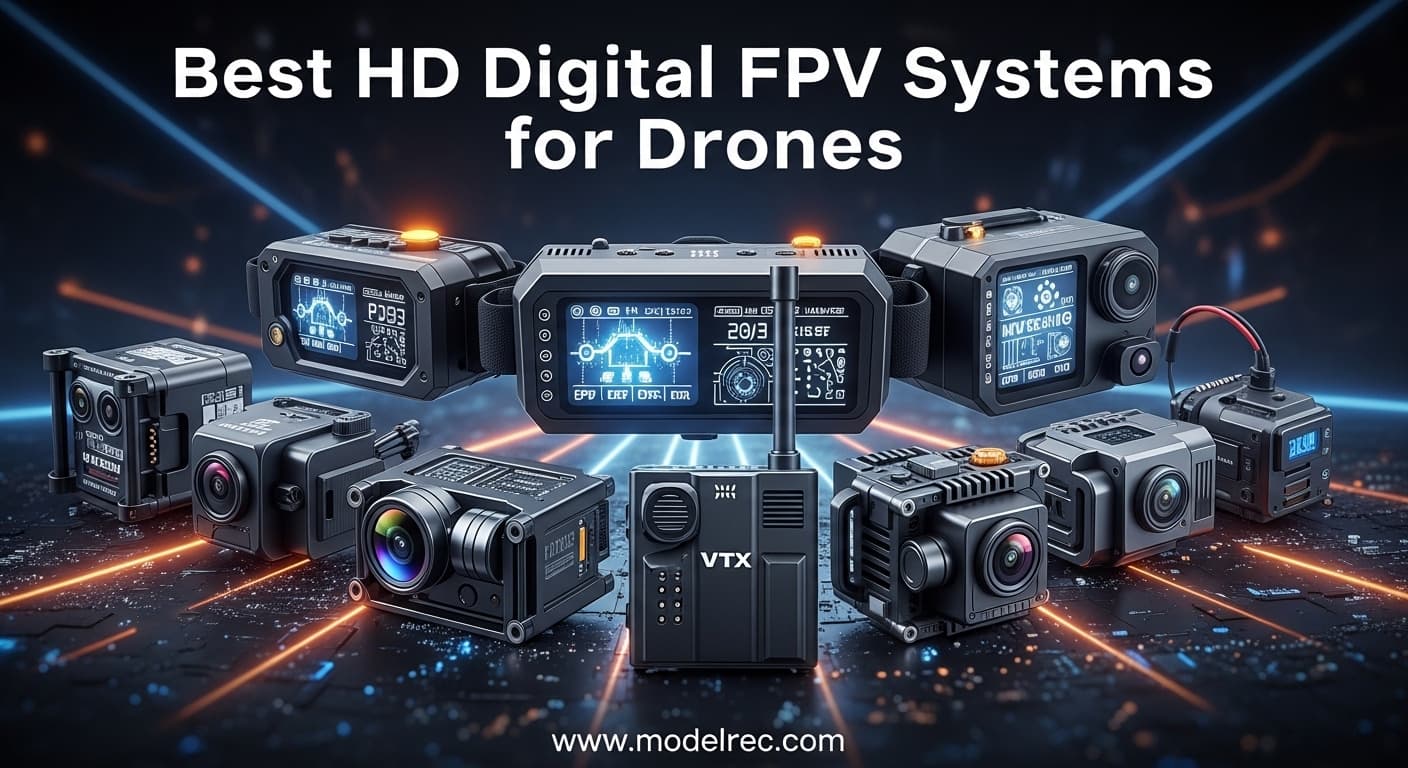
The big mistake in digital FPV is treating the headset or air unit as a standalone purchase. The real decision is how the system changes pilot confidence, maintenance costs, and upgrade paths over months of racing, not just how it looks on the first pack. The guide’s product mix, which includes DJI Avata 2, the Walksnail Avatar HD FPV Goggles X, the Walksnail Avatar Pro Kit, the Moonlight Kit, the Walksnail Avatar HD FPV Goggles L, the DJI Avata Explorer Combo, and the CADDXFPV Protos FPV Drone RTF Kit, shows how fragmented the buying landscape has become.
That fragmentation has a social side too. FPV racing used to be shaped by an analog-only culture where everyone accepted noise, breakup, and a lot of tinkering as the cost of entry. Digital systems have changed the tone of the sport by making clarity and consistency part of pilot development, which means newer racers can train longer with less video anxiety, but they also inherit a market that rewards ecosystem loyalty.
The takeaway for racers trying to stay fast and flexible
If the priority is the most race-focused response, HDZero gives the sharpest latency story and the strongest confidence under pressure. If the priority is a compact, polished system that can also live in a broader DJI world, O4 is the most compelling option, especially for practice frames and pilots who value long sessions with Goggles 3’s 3-hour runtime. If the priority is keeping the fleet adaptable and avoiding expensive rebuilds, Walksnail’s modular approach is the smartest hedge.
That is the real competitive edge in 2026: not one perfect system, but the system that best matches how a pilot trains, repairs, upgrades, and races across a full season. In FPV, milliseconds still matter, but the bigger win is choosing the platform that keeps those milliseconds usable when the pressure, the crashes, and the budget start stacking up.
This article was produced by Prism’s automated news system from verified source data, official records, and press releases, then run through automated quality and moderation checks before publishing. The system is built and supervised by the people who set the standards it runs under. Read our full AI policy.
Did this article answer your question?