SLOSS Drone Derby 2026 transforms historic Sloss Furnaces into FPV arena
A 1881 ironworks became FPV race terrain, with pilots threading steel, catwalks and a water tower while whoops lit up the site after dark.
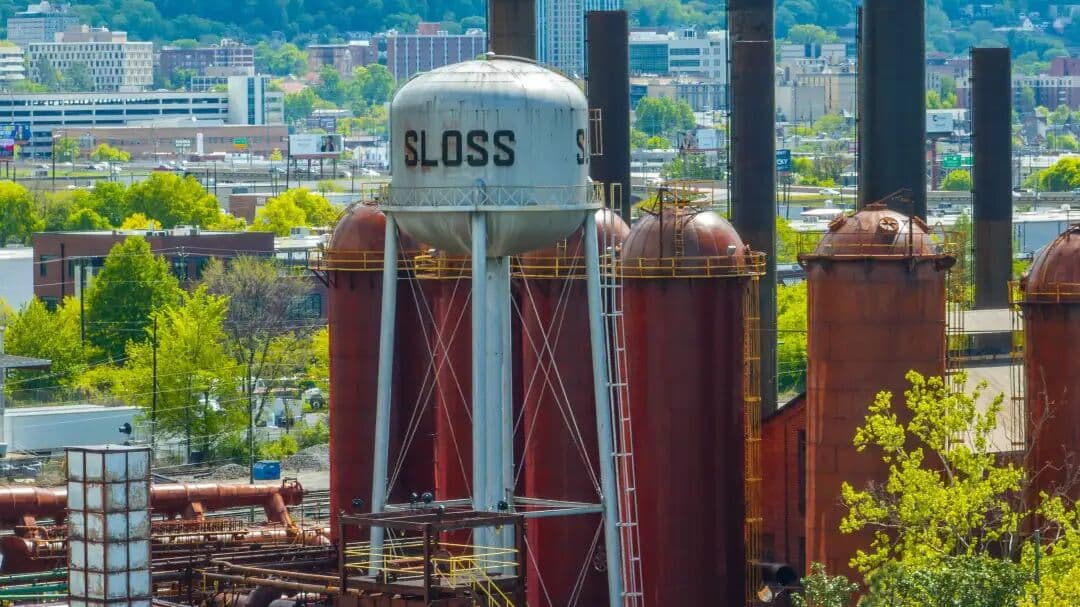
Sloss Furnaces did not just host the SLOSS Drone Derby 2026. It became the track. For four days, from April 3 to April 6 in Birmingham, a National Historic Landmark that opened in 1881 and stopped pouring iron in 1971 was converted into a temporary FPV arena, a sharp reminder that venue design can be as decisive as lap time in this sport.
That is what made the event matter. Castle Crash Society, the 501(c)(3) nonprofit behind Castle Crash Crew and SLOSS, used the old ironworks the way a racer uses a clean line: every structure had a purpose. Steel frames, water towers, sheds, catwalks and open space turned into natural gates and visual markers, forcing pilots to read the course on the fly instead of relying on a flat, predictable layout. The venue also mattered off the sticks. SLOSS was available to fly on UnCrashed and Velocidrone before pilots arrived, which meant the lines could be studied in simulation before the real metal and concrete came into play.
The schedule showed how fully the site was reimagined. Friday was setup day. Saturday opened as the open-fun day, with all-day racing, qualifiers and freestyle running alongside each other while whoops ruled the night with a light show and DJs in the shed. Sunday shifted back to competition, with racing and a freestyle contest before teardown and more nighttime whoop flying. Fly High FPV described the weekend as a split across 5-inch, 7-inch and whoop racing divisions, which fit the site’s mix of speed, technical precision and close-quarters chaos.
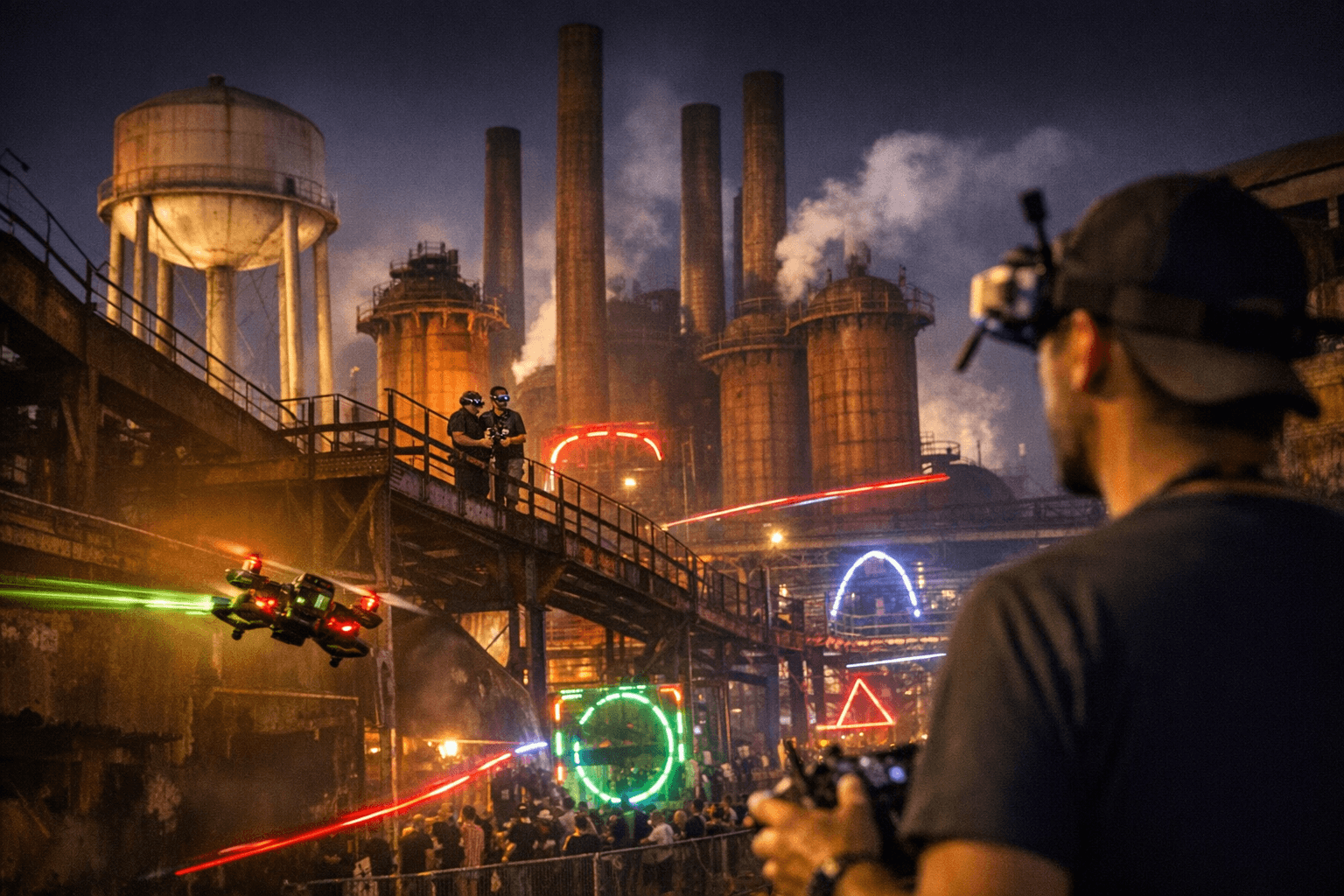
Sunday’s freestyle was the clearest proof that the landmark shaped the show. The Bigger, Nastier contest went off at 2:00 PM under the water tower, and the podium belonged to spidersugar_fpv in first, JBones FPV in second and steellxixfpv in third. That placement matters because Sloss rewarded pilots who could combine aggression with control in a venue built for texture, not symmetry. The old plant’s vertical lines and industrial clutter created more interesting camera movement for spectators too, turning every split-S and dive into a better shot for the livestream and the people on site.
That visual payoff is why SLOSS keeps fitting the next phase of FPV. Birmingham promoted it as a live-streamed, interactive event, and the site’s long history of hosting festivals and concerts helped it work as both museum and race venue. Gemfan leaned into that same idea, framing freestyle as expression-driven flight and tying its Sbang props to smoother motion and better control feedback. In other words, SLOSS was not just a weekend meet. It was a case study in how abandoned industrial spaces are becoming premium race venues because they change how pilots fly, how fans watch and how sponsors tell the story.
This article was produced by Prism’s automated news system from verified source data, official records, and press releases, then run through automated quality and moderation checks before publishing. The system is built and supervised by the people who set the standards it runs under. Read our full AI policy.
Did this article answer your question?