FAA launches DETER program to speed drone penalties at major events
FAA’s new DETER program speeds up minor drone penalties, and major-event airspace is now the pressure point for racers and organizers.
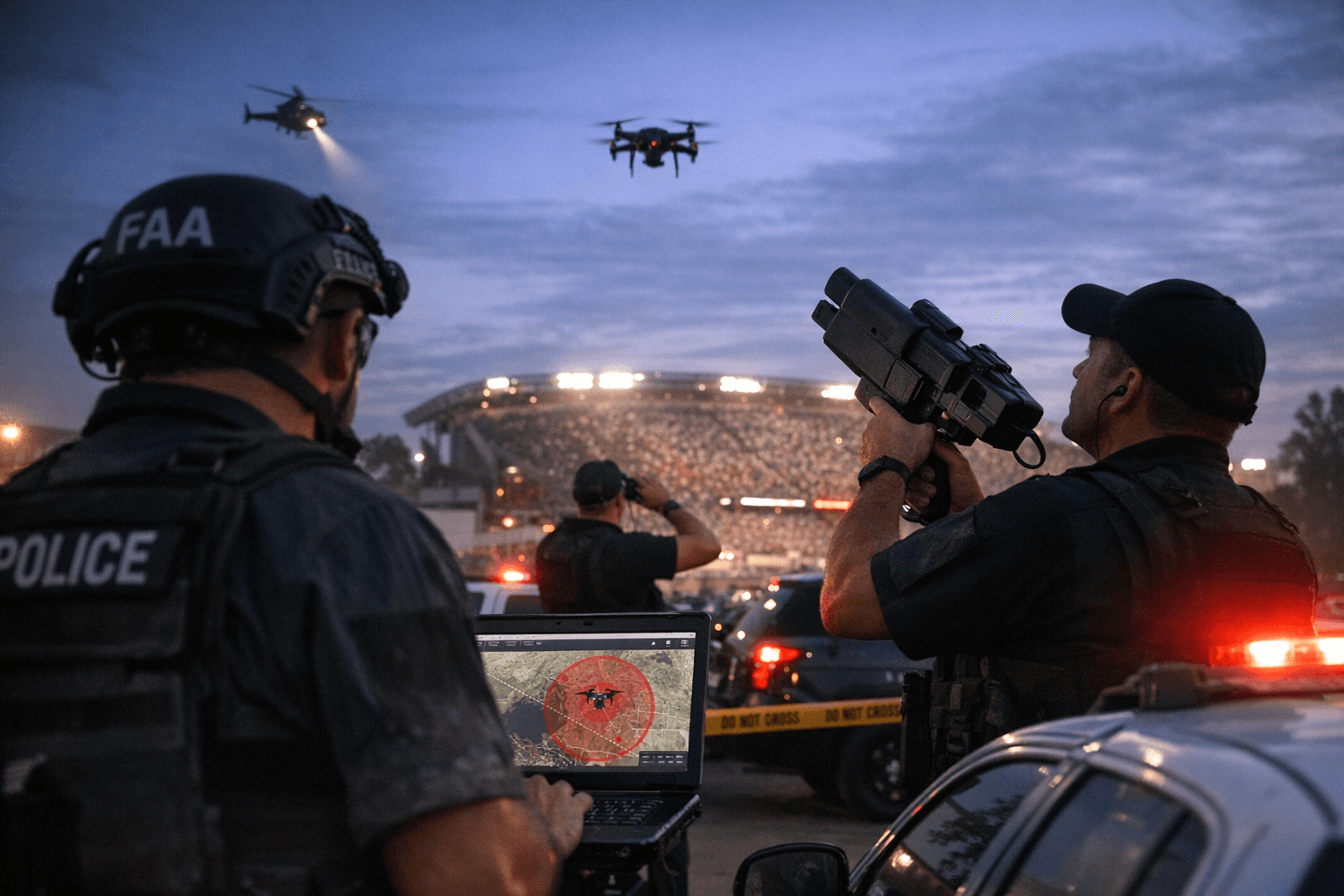
The FAA is putting speed behind the stick. Its new DETER program takes effect April 17, 2026, and it gives the agency a faster path to resolve certain first-time drone violations with reduced civil penalties or shorter certificate suspensions, a change that matters most where events, crowds and airspace rules collide.
For drone racing clubs and event organizers, the real shift is not just punishment. DETER is built for eligible certificated and noncertificated small UAS operators who are individuals and first-time violators, and it requires an admission of liability and a waiver of appeal rights. That means the FAA can move minor cases off the slow track quickly, while keeping the standard process for more serious violations, especially unauthorized flights in restricted airspace. The agency said the program will initially focus on select locations and time periods where drone traffic is expected to be heavy.
That puts the spotlight squarely on major gatherings, including the FIFA World Cup matches set for June 12 through July 19. The FAA’s safety plan says all World Cup 2026 stadiums and surrounding event spaces are strict No Drone Zones, with Temporary Flight Restrictions around match venues and fan festivals. Violators could face civil penalties up to $75,000 per violation and criminal fines up to $100,000, plus confiscation, prosecution and immediate arrest. The FAA also said the FBI may use specialized mitigation tools to intercept and seize drones in restricted airspace.
The DETER policy is aimed at smaller cases, but the message to the broader drone scene is blunt: the agency wants quicker turnarounds and fewer excuses. Law enforcement partners will be able to notify the FAA of violations in real time, and pilots who choose the DETER route will get a Violation Notice spelling out the proposed penalty or suspension and any required corrective actions, with 10 days to respond. If they choose the standard process, the FAA can pursue broader enforcement.
The timing fits a tougher enforcement posture already in motion. In its 2025 roundup, the FAA said it levied fines from $1,771 to $36,770 across 18 operations, including cases near emergency aircraft, Mar-a-Lago, a Super Bowl venue, an NFL game and a drone light show. FAA Chief Counsel Liam McKenna said the program is meant to ensure swift enforcement action and deter violations. DETER also follows Executive Order 14305, Restoring American Airspace Sovereignty, issued June 6, 2025, which said mass gatherings are vulnerable to unauthorized UAS flights.
For racers, clubs and event operators, the practical lesson is simple: paperwork, permissions and flight planning are no longer back-office chores. They are part of race-day risk management, and the FAA is now built to enforce that reality faster.
This article was produced by Prism’s automated news system from verified source data, official records, and press releases, then run through automated quality and moderation checks before publishing. The system is built and supervised by the people who set the standards it runs under. Read our full AI policy.
Did this article answer your question?