Whoop Below Zero race in Nijmegen sells out, counts toward rankings
Whoop Below Zero in Nijmegen sold out its 30-pilot field and ran a winter-themed, technical Whoop League race whose points counted toward the season rankings.
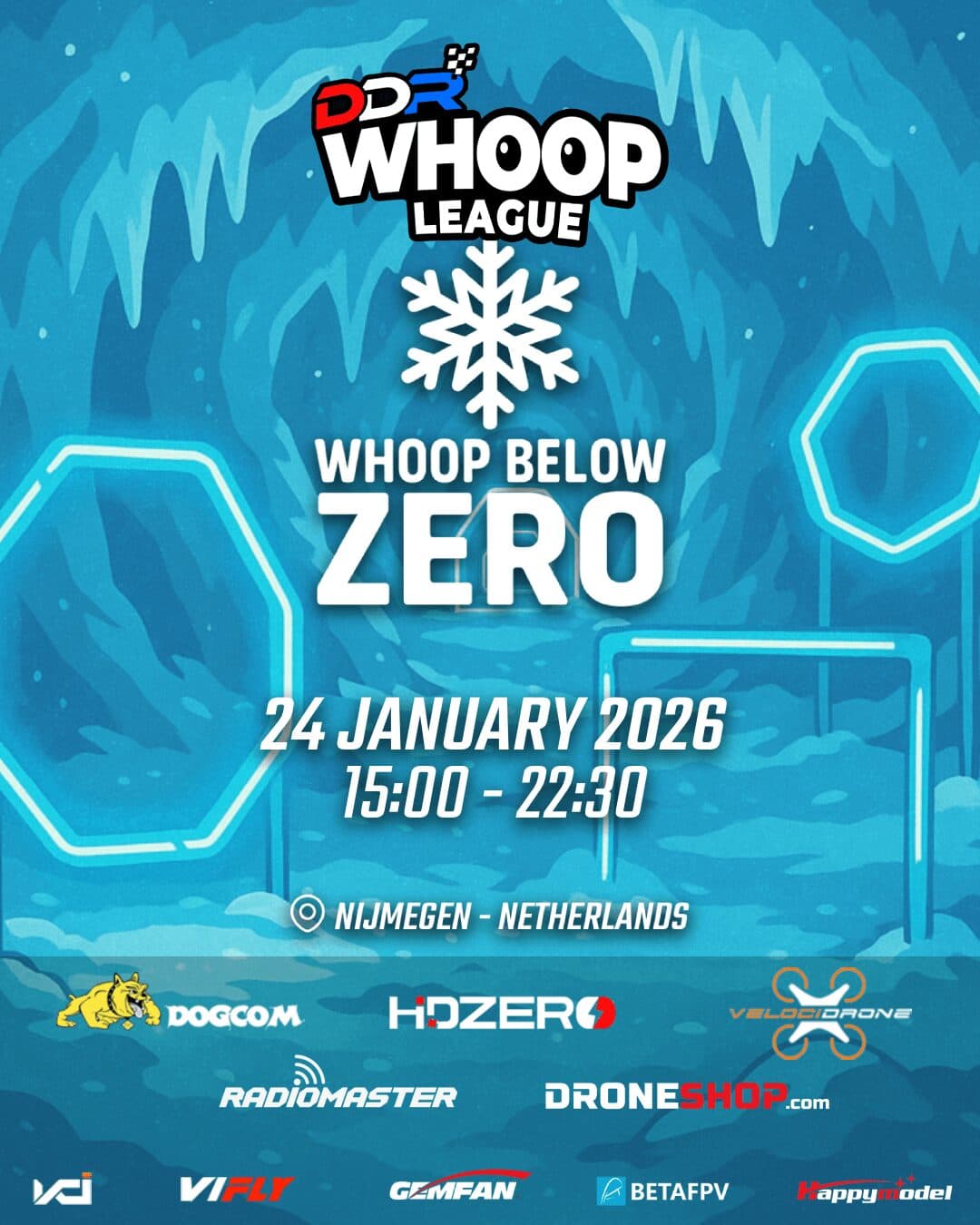
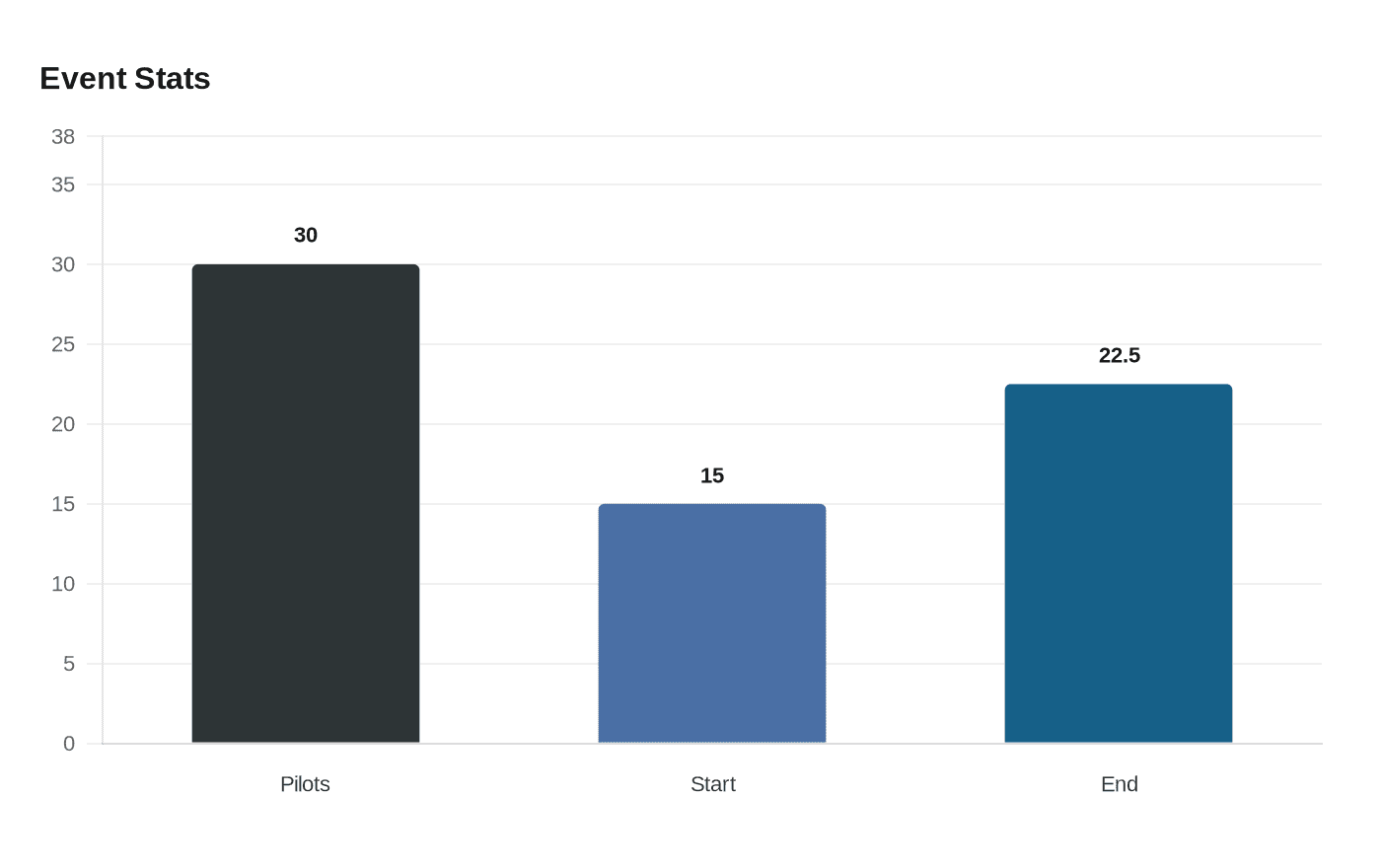
A packed Gymzaal Kanunnik on Faberstraat hosted Whoop Below Zero, a DDR Whoop League 25/26 race that sold out its 30-pilot capacity and delivered a technically demanding night of indoor microdrone racing. Billed as "WHOOP BELOW ZERO - Cold hands, hot laps," the event ran scheduled heats and finals between 15:00 and 22:30 and explicitly contributed points to the Whoop League season rankings.
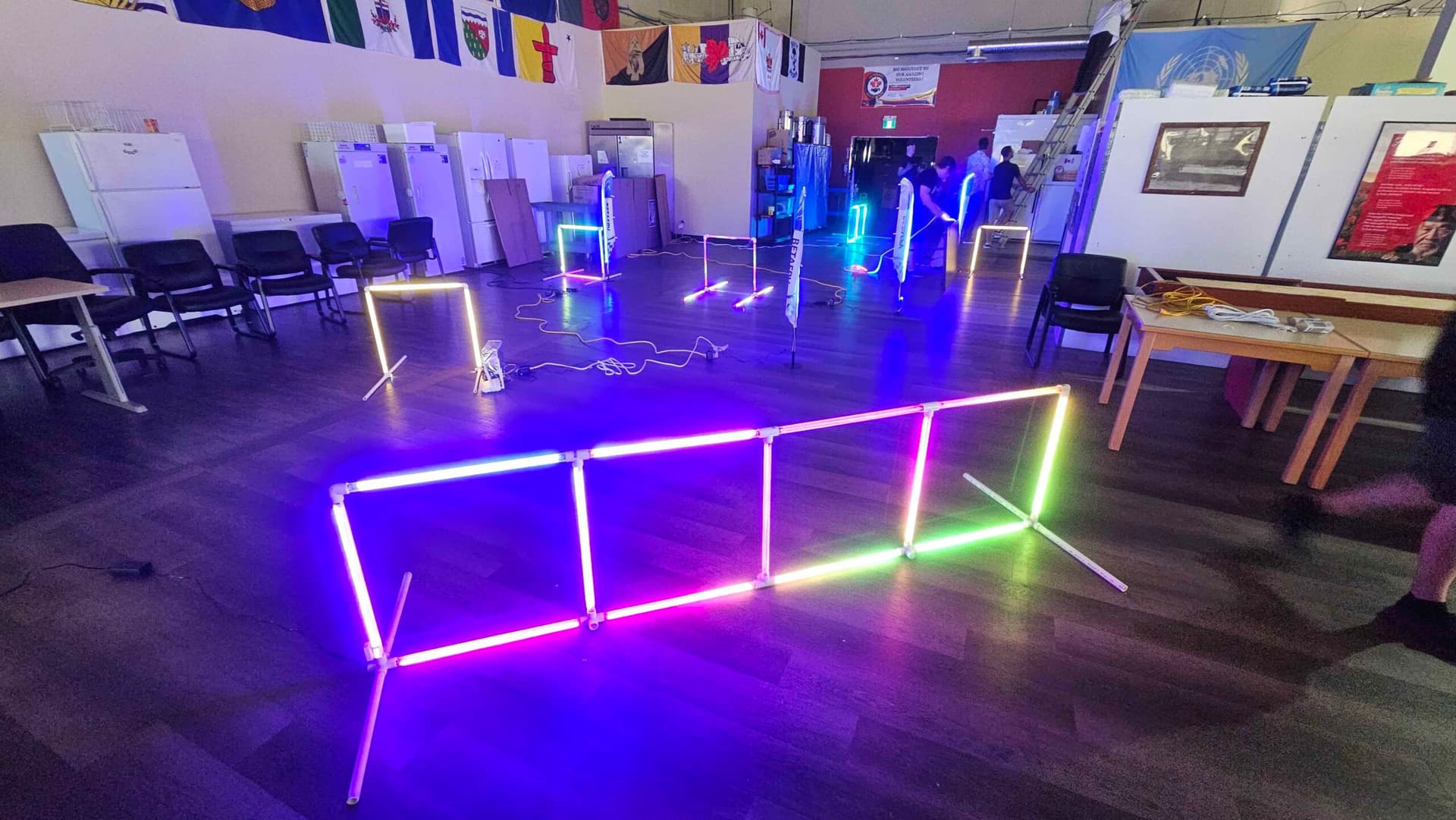
Organizers built a track with tight technical sections that rewarded precision and flow. The layout forced pilots to favor clean line choices and low-altitude consistency over reckless punchouts; errors in the flow sections produced costly resets and lap losses rather than spectacular top-speed runs. Race rules limited video systems to Analog and HDZero only, a restriction that shaped pilot setups and race strategies because camera and VTX choices influenced latency and weight on the microdrones. The event page also listed practical information for pilots and spectators: no catering was provided, but parking was free, and tickets were no longer available on the page at the time of posting.
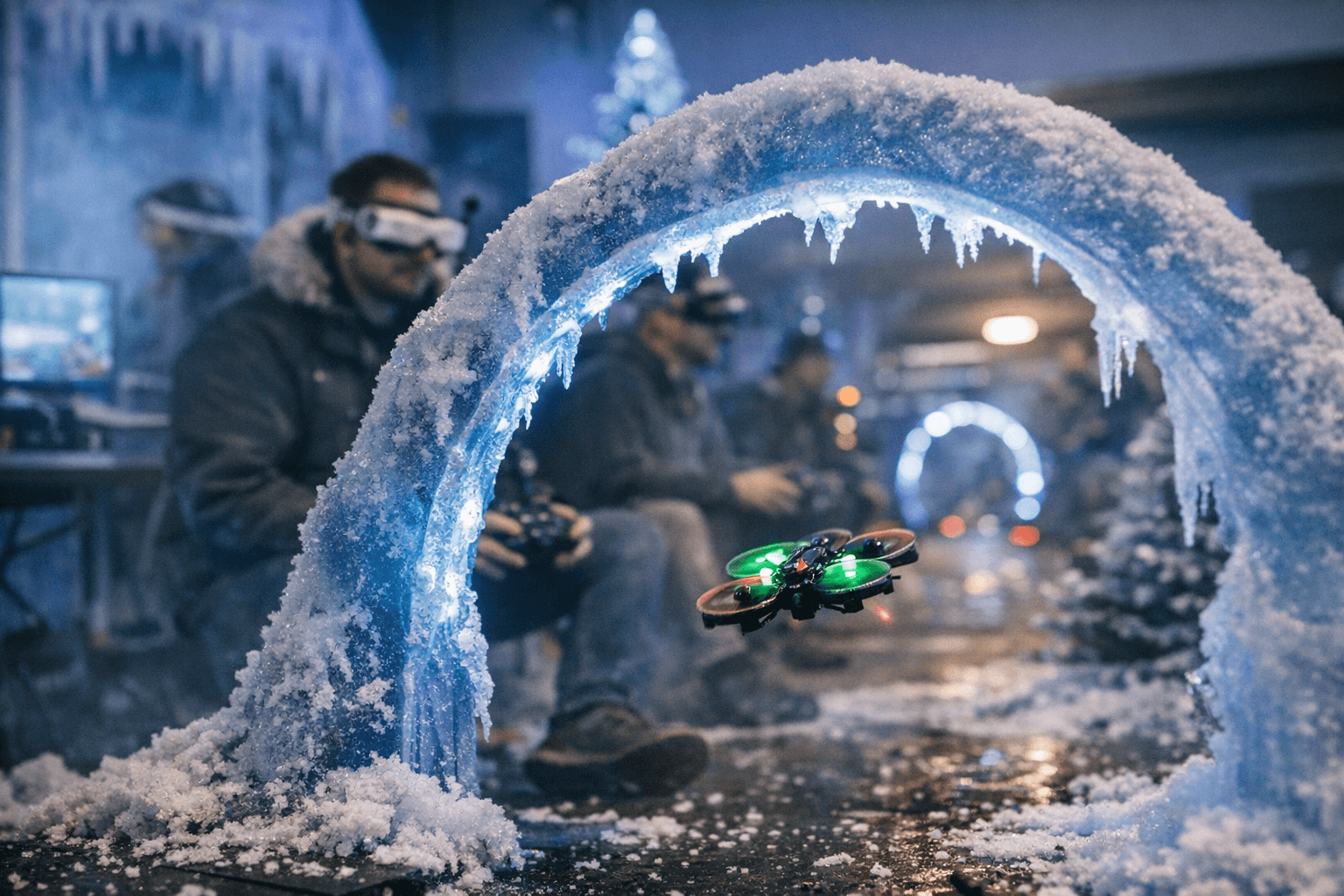
From a competition standpoint, the sold-out field of 30 increased the value of every finish. With the event counting toward official Whoop League rankings, pilots chasing season positions faced a high-stakes environment where incremental point differences could shift the leaderboard. The compact gym setting magnified mistakes, prop strikes and gate collisions cost laps, and made qualifying heat positions crucial for a clean run into the finals. Organizers adhered to the league's technical and operational standards to ensure points were awarded cleanly for season standings.
The commercial and cultural signals were clear. A full house for an indoor Whoop League stop underscores growing spectator demand for microdrone racing as a live sport, and the explicit ranking stakes link grassroots meetups to a structured competitive season. Limiting video systems to Analog and HDZero underscores an industry trend toward standardizing reliable low-latency feeds while managing interference in crowded venues. For local businesses and venue operators, a sold-out race that runs seven-plus hours can mean more foot traffic and visibility for a niche but expanding part of the urban sports-entertainment mix.
Socially, events like Whoop Below Zero continue to position drone racing at the intersection of hobbyist culture and organized sport. The format rewards technical piloting skills and quick firmware or hardware decisions, creating a talent pipeline for pilots who want to professionalize. For fans and pilots tracking the Whoop League season, the Nijmegen stop was more than a showpiece: it was a pivotal points opportunity that will reverberate through the rankings as the season develops.
Know something we missed? Have a correction or additional information?
Submit a Tip