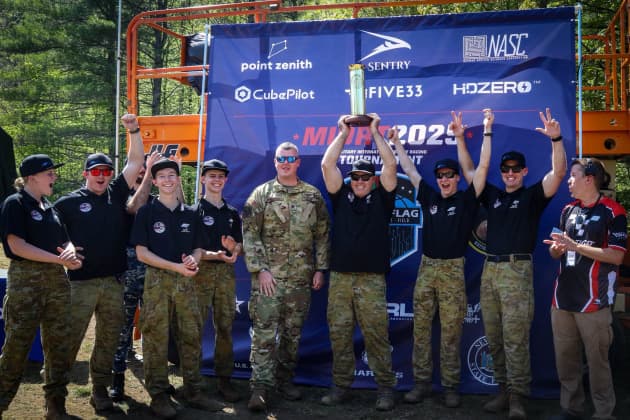
WILDTYPE Claims MLDR Legacy Traditional School Grand Prix Title in Phoenix
WILDTYPE won the MLDR Legacy Traditional School Grand Prix in Phoenix, showcasing spec-drone skill and boosting the league's push for spectator-friendly, parity-driven racing.

WILDTYPE emerged victorious at Major League Drone Racing's Legacy Traditional School Grand Prix in Phoenix, claiming the title in a fast-paced single-elimination format designed for live audiences. The event ran short, spectator-friendly heats using MLDR's spec-drone rules, putting a premium on pilot skill, racecraft, and split-second decision making rather than equipment advantages.
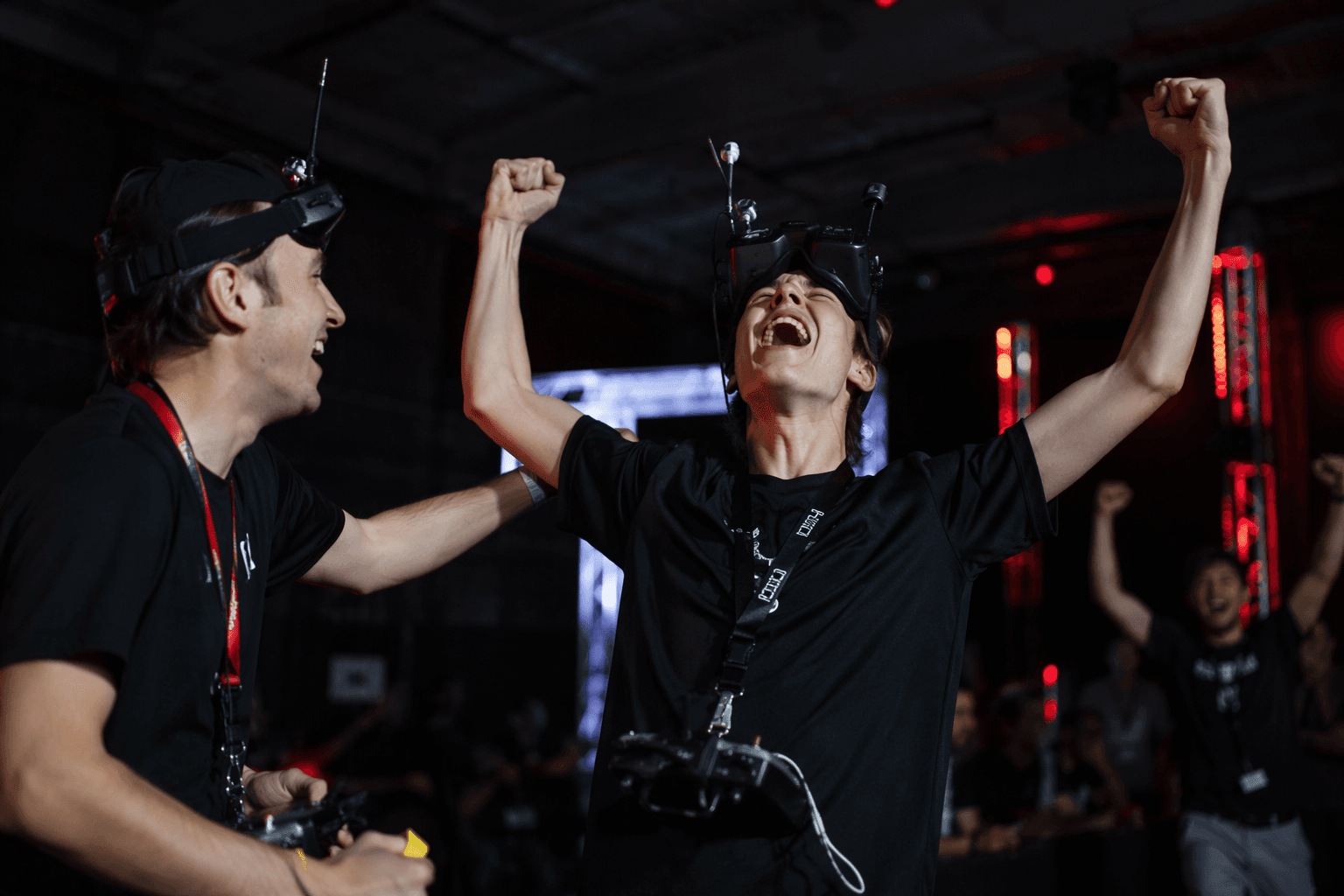
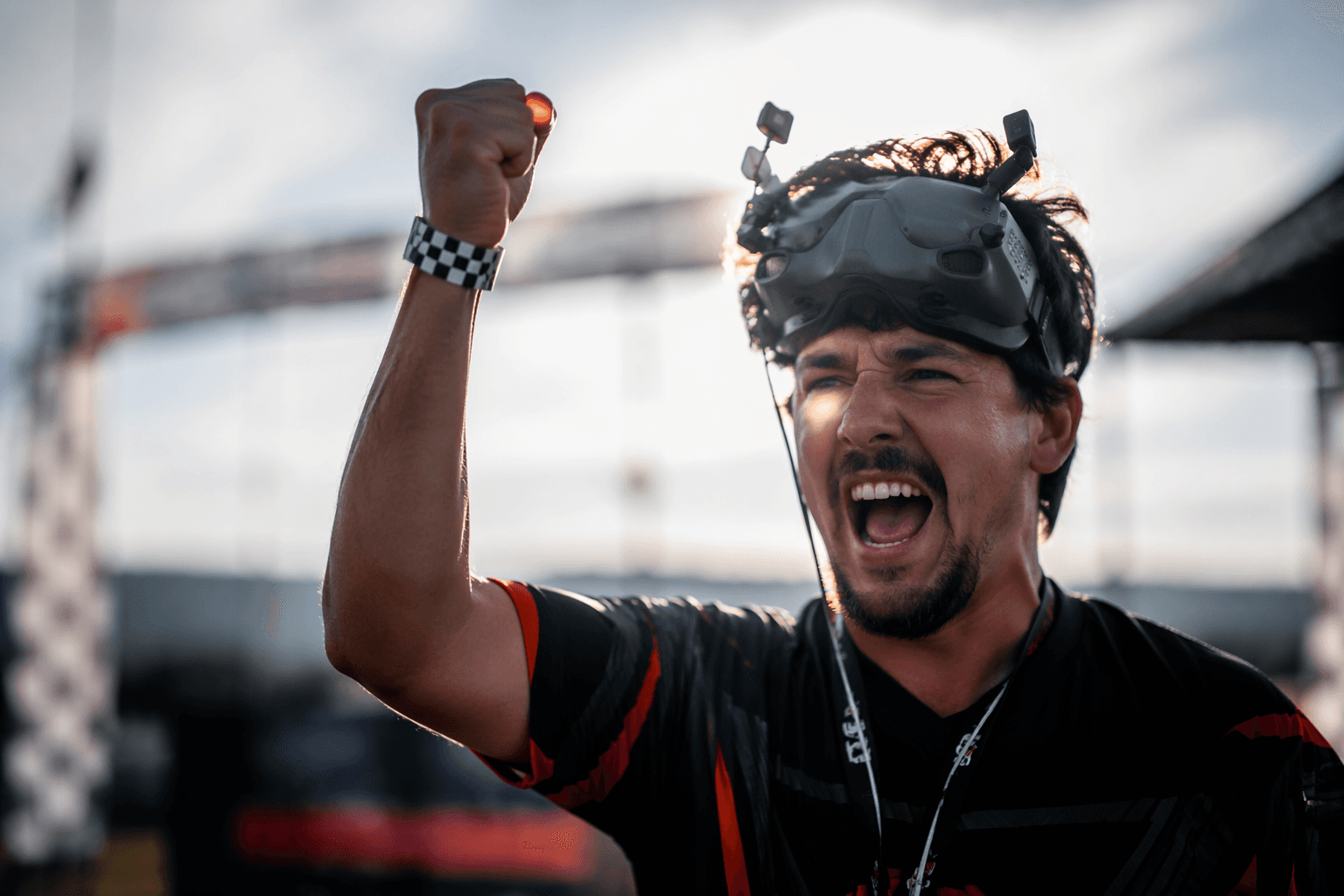
From the opening rounds through the final heat, WILDTYPE demonstrated precision gate-to-gate flying and consistent course discipline. The event video showed the pilot threading tight lines through consecutive gates and holding inside lanes on turns to maintain momentum in head-to-head matchups. That consistency proved decisive in the single-elimination bracket, where one mistake costs a heat and leaves no room for mechanical or tactical recovery.
MLDR's spec-drone format shaped the competition and the spectacle. By standardizing hardware, the league minimized a tech arms race that can put smaller teams at a disadvantage and instead spotlighted pilot reaction, line choice, and throttle control. Short heats amplified pressure and created compact, broadcast-friendly segments that kept crowds engaged between races. For fans, the result was clean, high-intensity racing that translated well to the arena and digital highlights.
The Phoenix Grand Prix carried implications beyond the podium. For pilots, WILDTYPE's title is a career milestone that raises the team's marketability to sponsors who value visible, repeatable performance in front of live audiences and streaming viewers. For MLDR, the event reinforced the league's product-market fit: parity-focused formats that are easier to package for broadcast partners and more digestible for mainstream viewers unfamiliar with traditional freestyle segments. For manufacturers and spec suppliers, repeated success under these rules signals a predictable platform for component partnerships and official parts programs.

Culturally, the Grand Prix underlined drone racing's ongoing transition from grassroots hobby to organized sport. The crowd-friendly heats and bracket drama helped bridge the gap between niche community jargon and broader sports viewership, while the emphasis on pilot skill fed narratives that are familiar to fans of other racing disciplines. At the same time, the spec model supports accessibility; lowering equipment gaps encourages new teams to enter competition and bolsters youth development pipelines that feed the sport's future talent pool.
Looking ahead, WILDTYPE's Phoenix win gives the team momentum in the MLDR season and provides a clear benchmark for rivals aiming to crack the spec-drone hierarchy. For spectators and sponsors, the Legacy Traditional School Grand Prix offered a tidy blueprint: compact, competitive racing built around pilot excellence and commercial-friendly presentation. That blend is likely to shape the league's next events and how drone racing markets itself to a wider sports audience.
This article was produced by Prism’s automated news system from verified source data, official records, and press releases, then run through automated quality and moderation checks before publishing. The system is built and supervised by the people who set the standards it runs under. Read our full AI policy.
Did this article answer your question?