ZenaTech Targets Booming Counter-Drone Market With AI-Powered Detection Stack
ZenaTech's $10B counter-drone PR sounds like growth fuel for FPV event security — but race organizers should know what the vendor stack actually does before signing a contract.
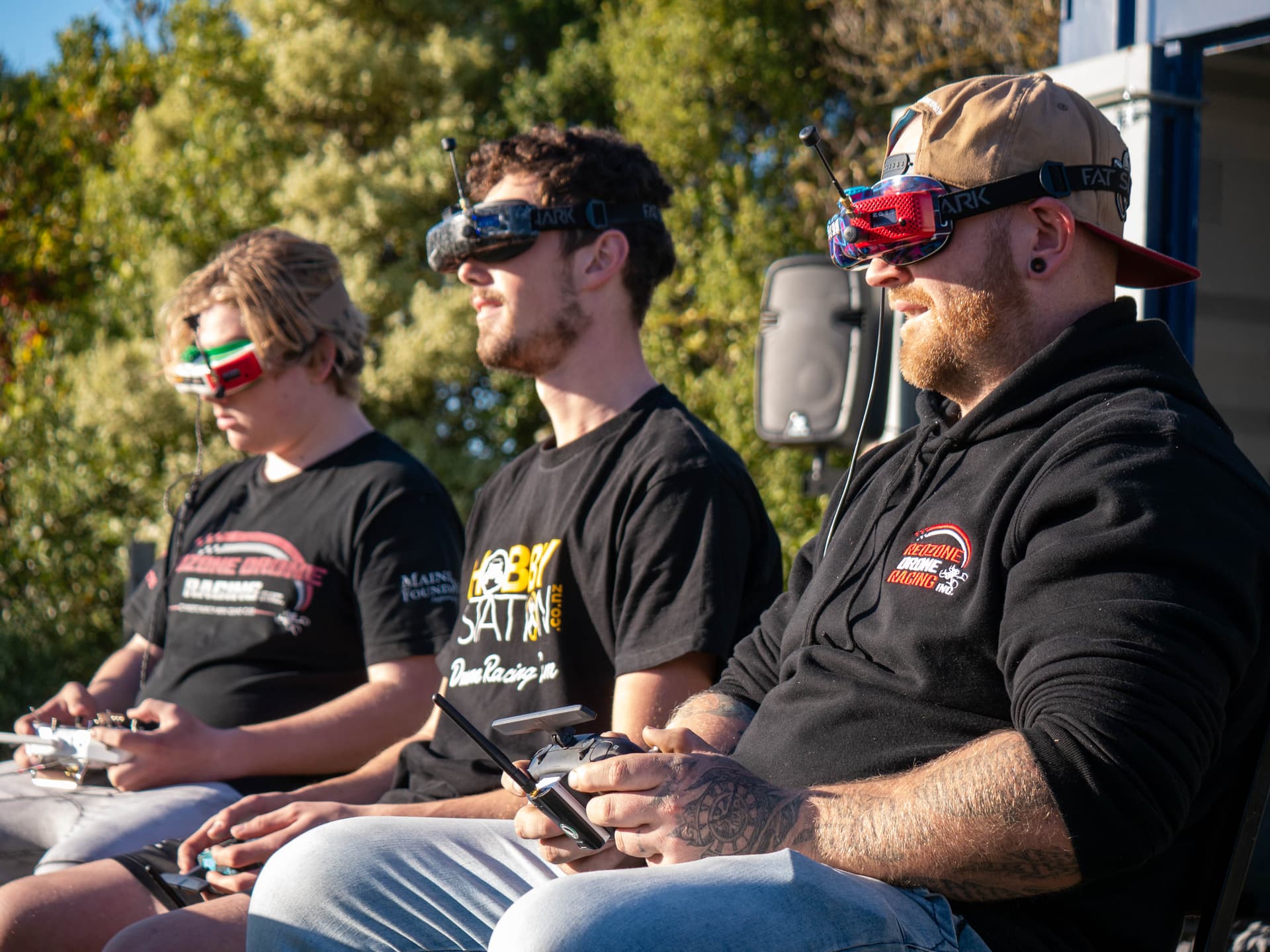
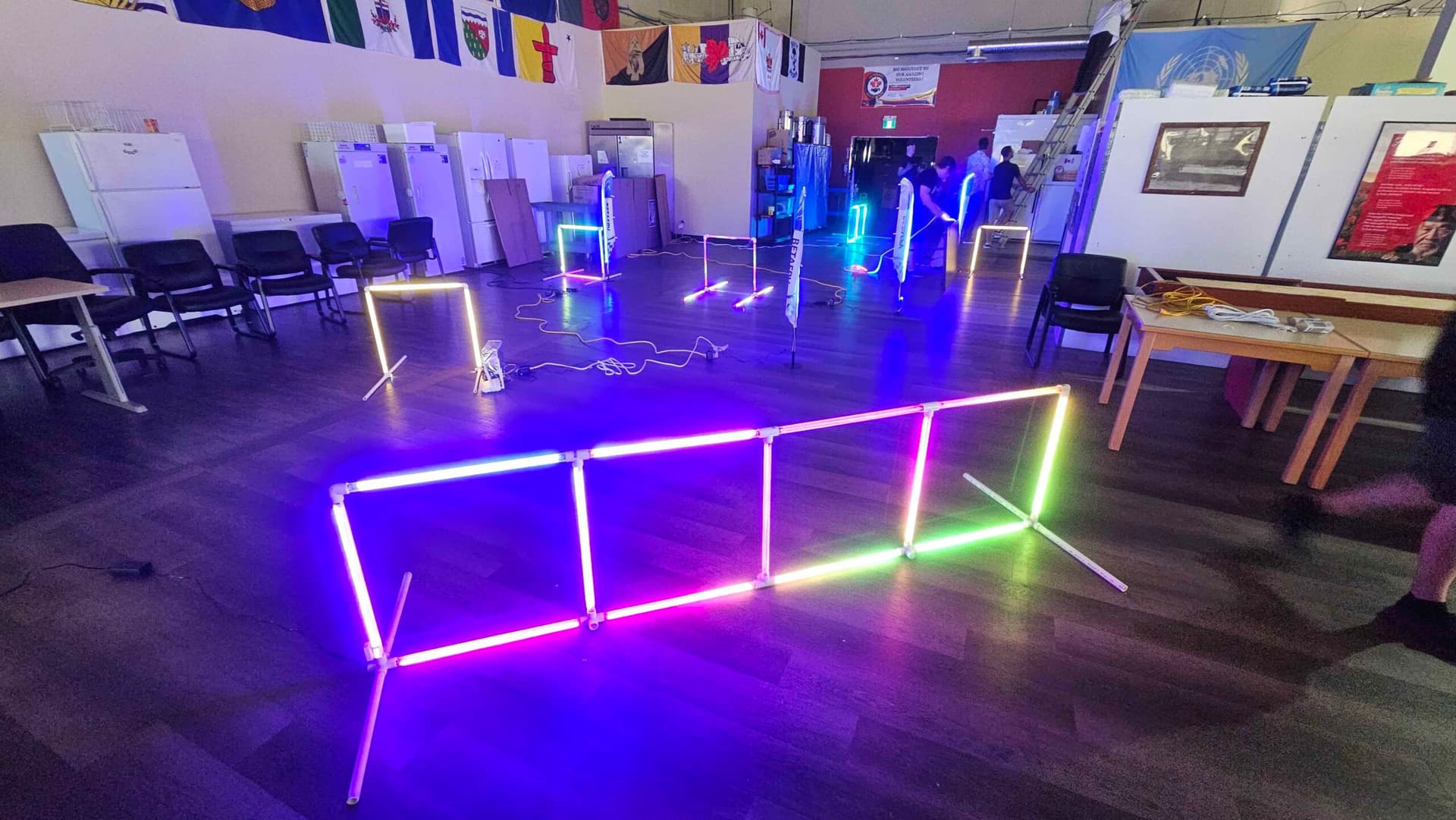
The counter-drone apparatus being built around FPV hardware is catching up to the sport faster than most race organizers realize. ZenaTech, Inc. (NASDAQ: ZENA), a Vancouver-based technology firm, dropped a promotional dispatch last Sunday framing the global counter-UAS market as an explosive $10 billion opportunity and positioning its AI-powered detection stack as the platform to capture it. For organizers running pro-level FPV events at stadiums, outdoor circuits, and festival grounds, the investor pitch buried inside that press material carries a more immediate implication: the same commodity 5-inch racers flying gates at 90 mph are the threat profile vendors are designing entire sensor architectures to neutralize.
Before any track owner wires a deposit to a counter-UAS vendor, the headline number deserves scrutiny. ZenaTech's own technical releases peg the market as growing at over 25 percent annually, projected to exceed $10 billion by 2030. That figure is not fabricated — it aligns with broader defense and civil procurement trends — but it describes a market built almost entirely around military and critical-infrastructure contracts, not race venue security. The U.S. Department of War alone requested $13.4 billion for autonomous weapons and systems for fiscal year 2026, with counter-UAS listed as a top priority. ZenaTech said it is targeting U.S. Defense customers, NATO partners, and Gulf Cooperation Council buyers. The commercial venue slice of that $10 billion is a rounding error at this stage, and organizers shopping for event airspace management should not let the macro figure drive their procurement logic.
What ZenaTech is actually selling matters more than the market it is selling into. The company announced in late March that it commenced development of an integrated counter-UAS system connecting the ZenaDrone Interceptor P-1, a single-use autonomous interceptor drone with a target price below $5,000, and the ZenaDrone 2000 Maritime Interceptor, with a Zena AI software platform being built by its U.S. research and development center. The platform is designed to direct swarms of those low-cost interceptors using AI-powered threat tracking and autonomous swarm intelligence. That is a kinetic interdiction system oriented toward defense sector clients — not a passive monitoring tool appropriate for an FPV race grid.
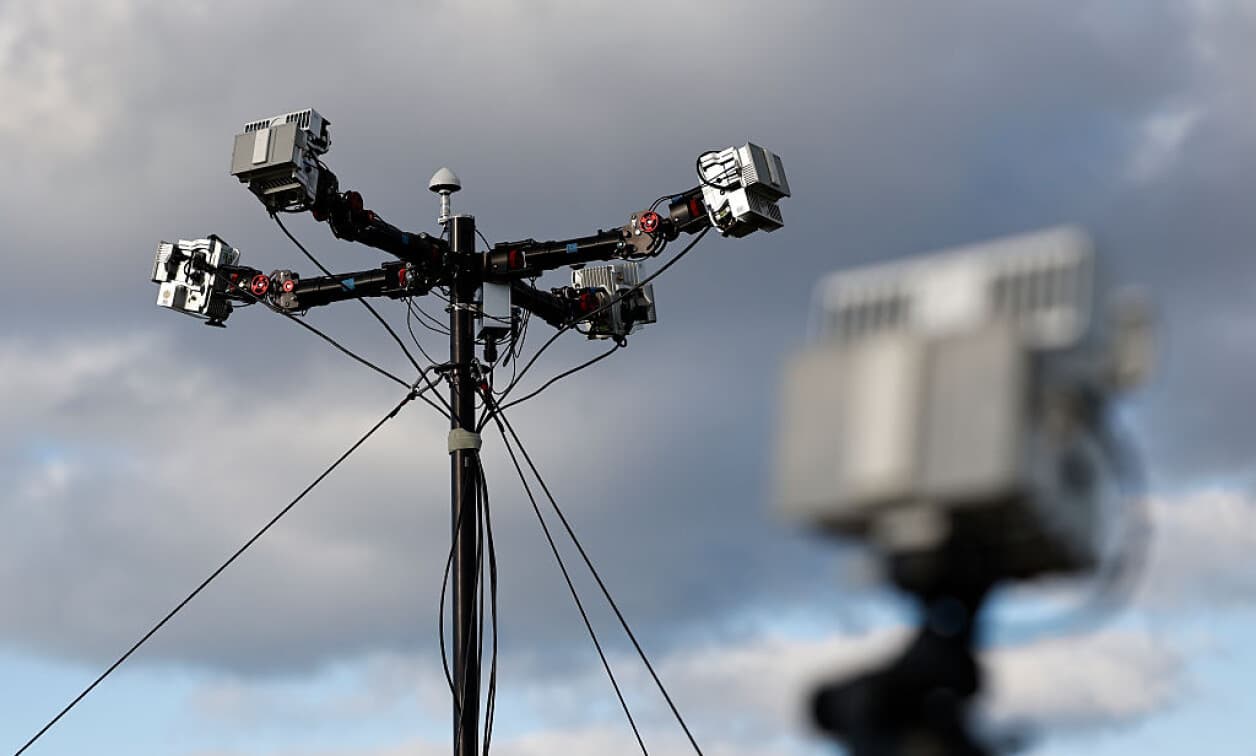
The distinction matters because the counter-UAS product category now spans a wide spectrum from passive RF monitoring at one end to active physical interdiction at the other, and the wrong layer applied to a race venue creates serious operational problems. The ZenaTech press material describes an "end-to-end stack" combining radar, RF, and electro-optical sensors with a centralized command-and-control layer that automates target classification and mitigation workflows. That architecture makes sense for defending fixed infrastructure against hostile operators. At a race event, it classifies every pilot on the grid as a potential threat.
RF-based detection is the specific layer that intersects most directly with FPV operations. Race heats generate dense radio frequency environments: 5.8 GHz video transmitters, 2.4 GHz or 900 MHz control links, timing transponders, and telemetry all firing simultaneously across a field of 6 to 20 aircraft. A counter-UAS RF sensor configured for general detection will flag that environment as a swarm event. Managing false positives during a competitive heat is not a software configuration issue that resolves with a settings adjustment; it requires the vendor to build and validate a whitelist against every transmitter on the flight line before the first gate drops. Most turnkey systems are not designed with that workflow in mind because their reference customers are not race directors.
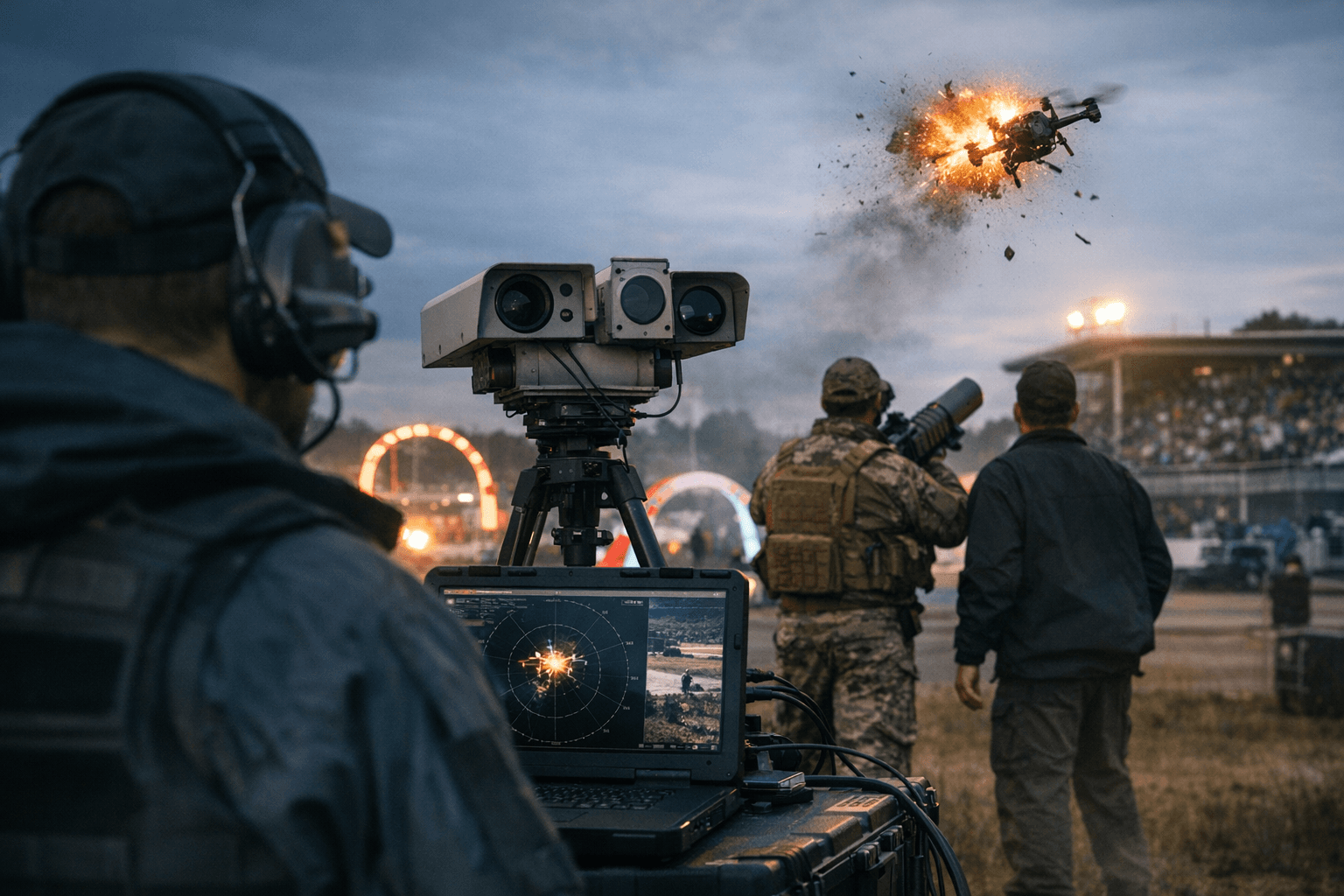
Geofencing adds a second compliance layer that the vendor ecosystem is only beginning to address at the event scale. The 2026 National Defense Authorization Act created a new statutory carveout allowing state, local, and tribal law enforcement and correctional agencies to deploy counter-UAS technology under defined conditions, removing restrictions that previously limited non-federal action. That change expands who can legally operate detection and monitoring equipment at public events, which is relevant to any organizer working with municipal or county security partners at a permitted venue. It also means the number of active counter-UAS systems operating in the airspace around a race could increase without the organizer's direct knowledge or control, complicating coordination for FAA-authorized flight windows.
Remote ID compliance is the piece organizers control directly and the most practical mitigation against being swept up in a venue's counter-UAS footprint. The FAA's broadcast Remote ID requirement, now in full effect, requires pilots to transmit their drone's location, altitude, velocity, and a unique identifier in real time. A counter-UAS system with a properly maintained Remote ID whitelist can filter authorized race operators from its threat queue before the heat begins. The problem is that most FPV racing builds, particularly sub-250-gram craft and purpose-built competition frames, were not shipped with integrated Remote ID modules from the factory. Retrofitting a broadcast module onto a 5-inch freestyle frame adds weight, potential interference, and a configuration step that not every competitor will complete correctly.
For organizers evaluating a counter-UAS vendor before signing a contract, the questions that actually protect the race program are narrower than the market pitch suggests. The vendor's detection layer should be able to demonstrate, not just claim, that it can operate passively in an RF-dense race environment without generating mitigation actions against whitelisted aircraft. Geofencing configuration should be specific to the permitted flight boundaries, not a generic radius around a venue centroid. The command-and-control layer should produce an auditable incident log that distinguishes between race traffic and anomalous intrusion, because an ambiguous classification during a live heat is operationally useless. And any vendor proposing active interdiction capabilities, kinetic or electronic, should be asked directly whether operating that equipment at a commercial sporting event falls within the legal authorities the NDAA 2026 carveout grants to their agency partners; for purely private operators, those authorities do not automatically transfer.
ZenaTech's promotional release is most useful not as a product specification but as a market signal. The capital and vendor narrative is now firmly concentrated at the intersection of AI, integrated sensor architecture, and scalable detection. That investment will eventually produce more accessible, better-documented monitoring options for large civil events. What it will not automatically produce is a system configured for a race director who needs to hand a spectator-facing operation through three heats without a false-positive mitigation event shutting down the grid. The $10 billion framing is real as a defense procurement horizon. As a guide to counter-UAS readiness for FPV venues, it is a starting point for skepticism, not confidence.
Know something we missed? Have a correction or additional information?
Submit a Tip