25 HBCU Coaches Head to California Combine to Unearth Talent
Twenty-five HBCU coaches packed Long Beach to scout unsigned seniors, JUCO players and portal athletes in a West Coast market with no HBCU footprint.
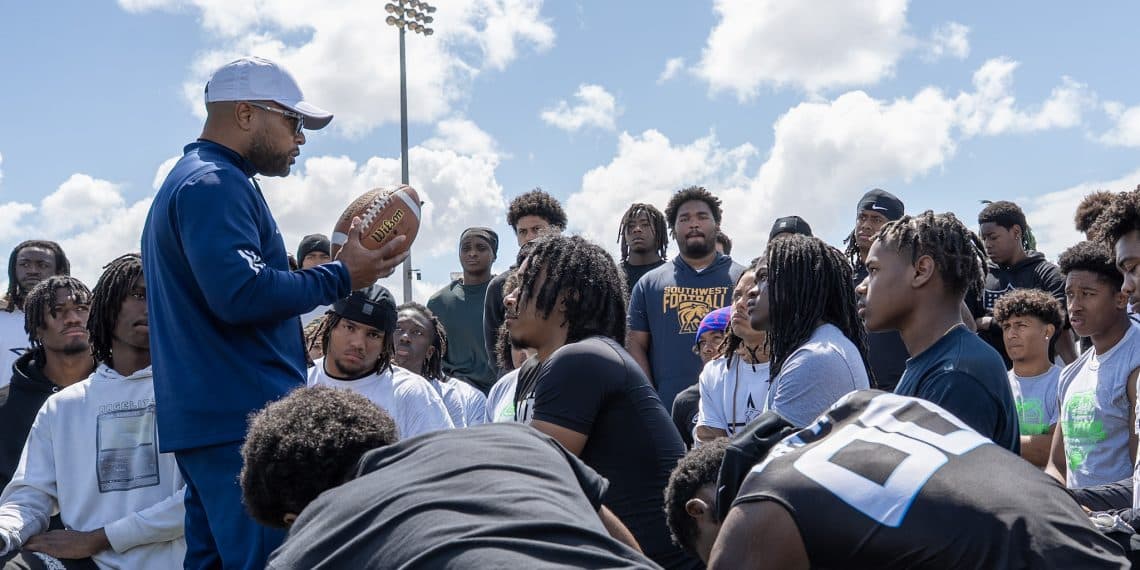
Twenty-five HBCU coaches spent the weekend in Long Beach chasing a market many programs have long treated like a blind spot. The 9th annual National College Resources Foundation HBCU Football Combine opened at Long Beach Polytechnic High School with unsigned seniors, junior college prospects and transfer-portal athletes working in front of coaches looking for immediate depth and long-term difference-makers.
About 30 coaches from across HBCU football were expected to attend, turning the two-day event into more than a regional camp. Staffs from Tuskegee University, Livingstone College, Florida A&M University, Alabama A&M University, South Carolina State University, Texas Southern University, Alabama State University, Jackson State University, Southern University, Grambling State University, Howard University and Johnson C. Smith University all had eyes on the same pool of West Coast talent. That mix gave prospects a rare chance to compare opportunities across the SWAC, MEAC, CIAA and SIAC in one setting.
Tuskegee coach Aaron James said the combine was valuable because it helped programs identify and evaluate quality talent while giving California prospects direct access to HBCU coaches. That access matters in a state where there are no HBCUs, and where even Charles R. Drew University of Medicine and Science in Los Angeles stands as California’s only historically Black graduate institution, not an HBCU. For HBCU staffs trying to expand beyond the traditional Southern recruiting funnel, California offered a deep, underused talent pool.
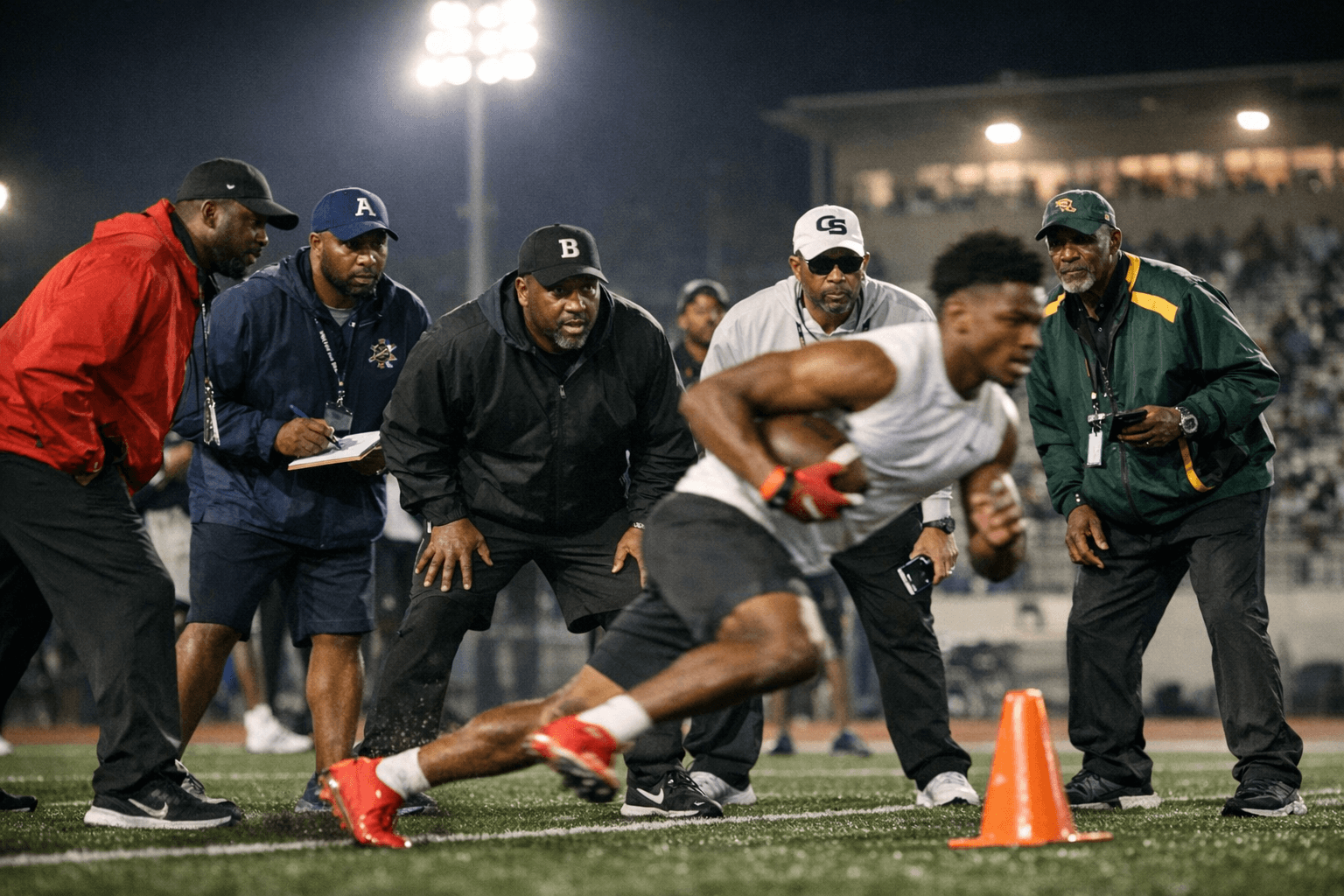
The combine also fit into a larger recruiting strategy already taking shape on the West Coast. NCRF previously staged its HBCU Football Combine in Lynwood in 2024 and 2025, building a repeat stop for rising seniors, unsigned seniors and junior college players. Its Student Athlete Program says it has helped more than 1,500 student-athletes secure athletic scholarships, reinforcing the event’s role as part of a broader pipeline rather than a one-off showcase.
That pipeline may become even more important as the transfer portal continues to push more talent into circulation and HBCU programs compete for visibility against larger recruiting machines. NCRF founder Dr. Theresa Price has framed the combine as a long-term labor of love designed to get overlooked athletes seen. With California’s size, diversity and growing Black college conversation, the Long Beach event showed how a single weekend can reshape recruiting reach, strengthen depth charts and put more West Coast players on the radar of programs far beyond the Pacific coast.
This article was produced by Prism’s automated news system from verified source data, official records, and press releases, then run through automated quality and moderation checks before publishing. The system is built and supervised by the people who set the standards it runs under. Read our full AI policy.
Did this article answer your question?